Water Conservation in Agriculture
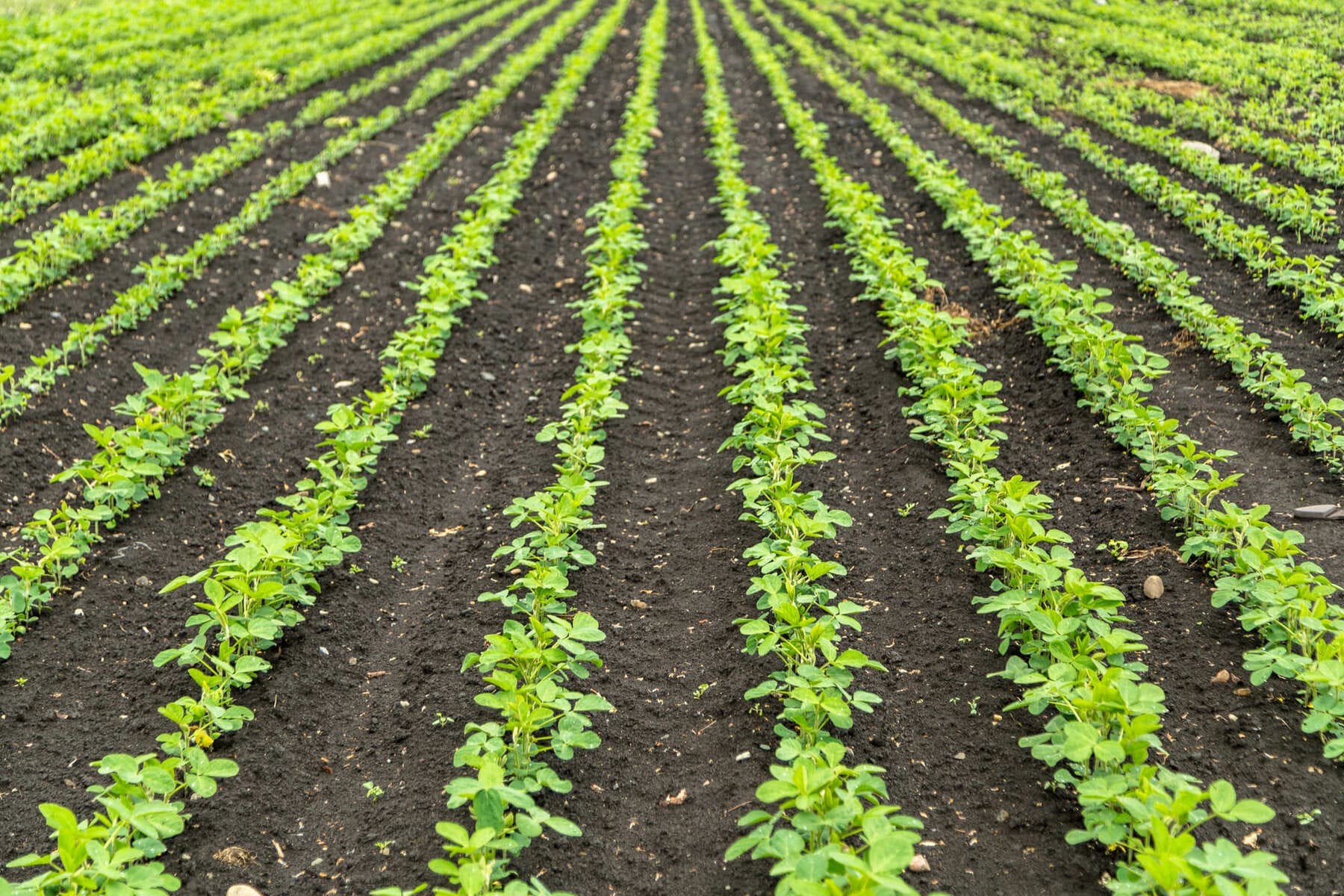
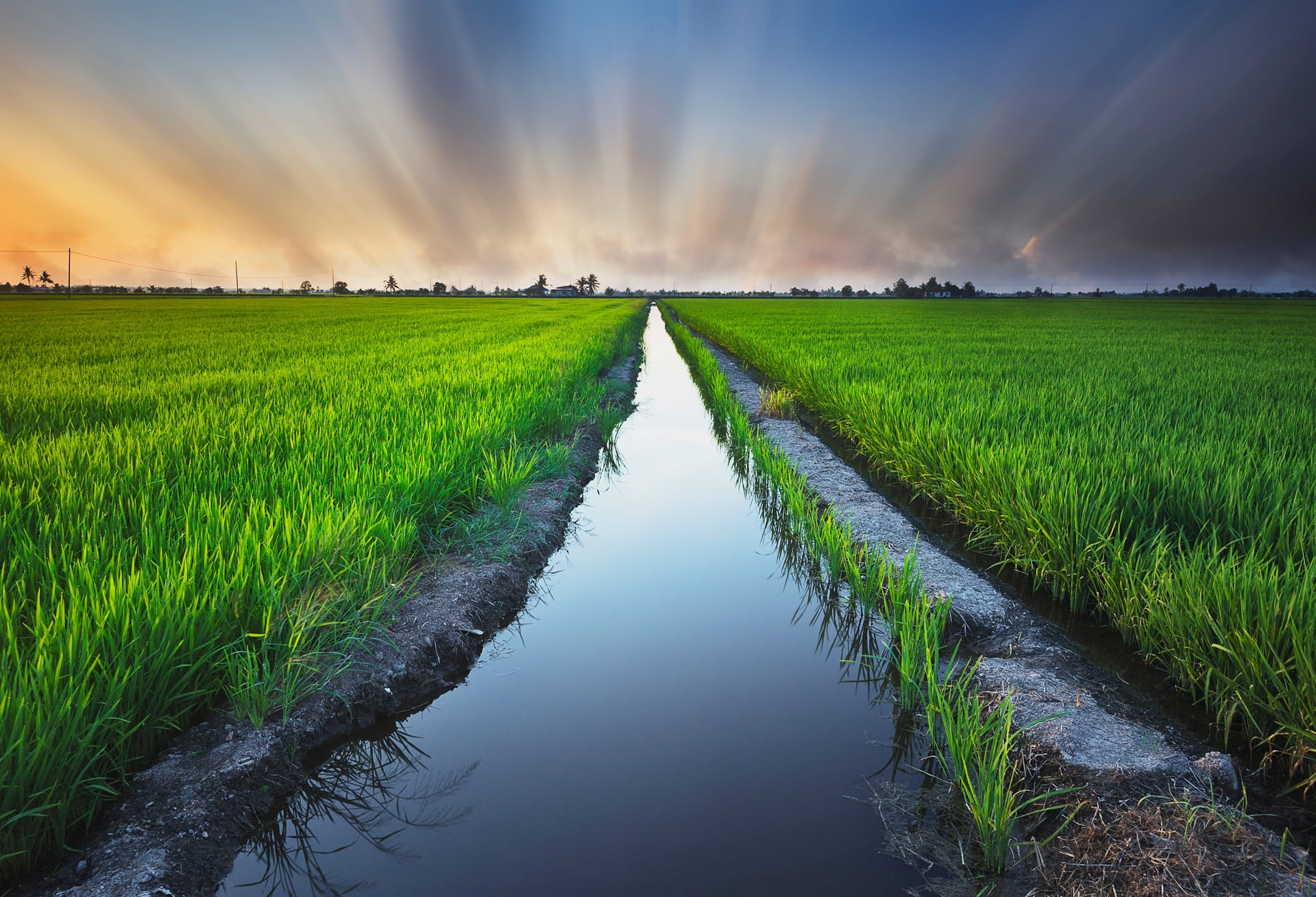
Water conservation in agriculture is essential for sustainable, efficient farm production. At Econatur, we develop solutions that optimise water use in crops, reduce waste and improve soil water retention. Our technologies are designed to support responsible agronomic strategies, adapting to the needs of each farm while respecting natural balances. Add value to your crops with practices that protect one of the most limited and essential resources: water.
Effective Solutions for Farming with a Smaller Water Footprint
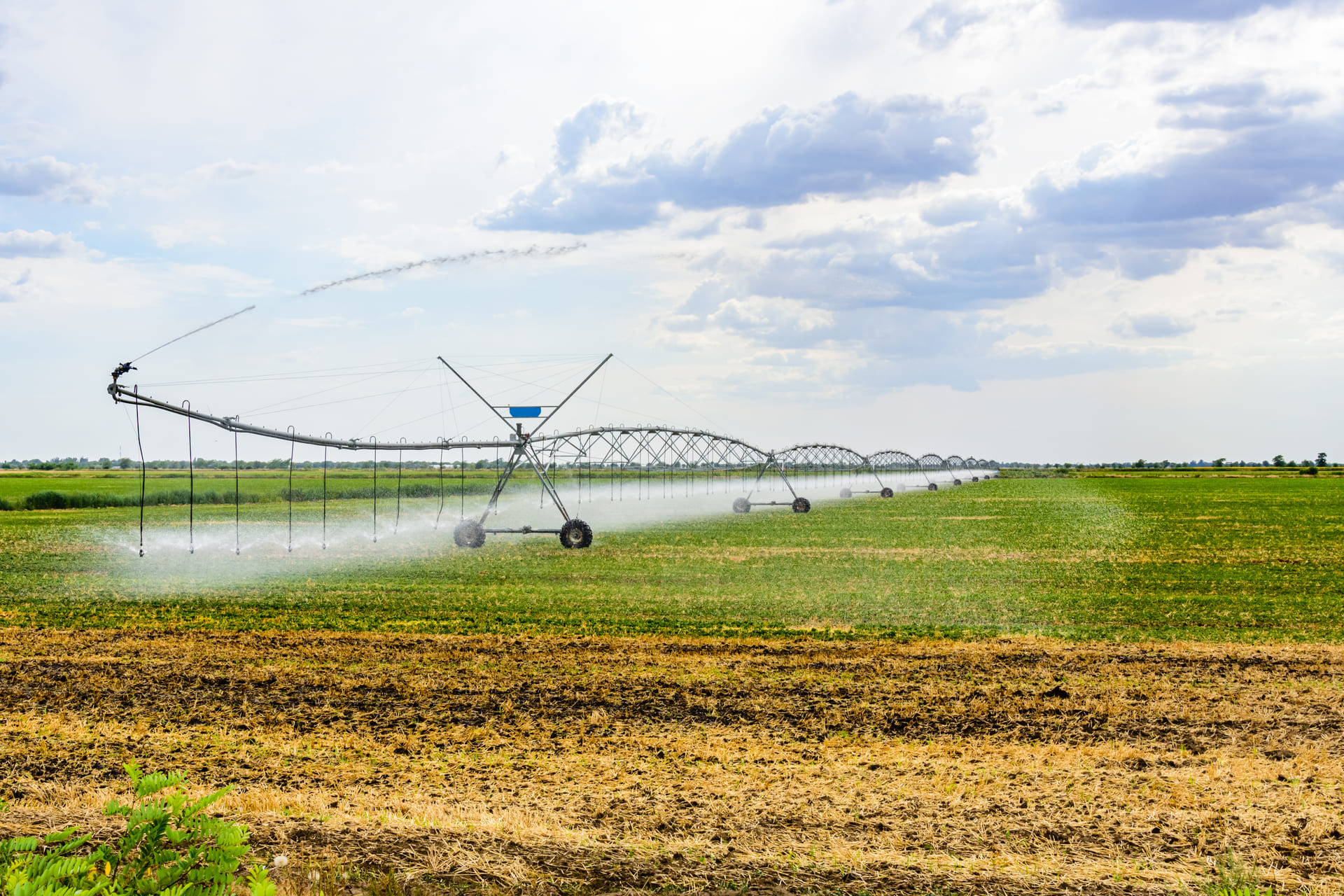
Water conservation in agriculture requires precise strategies that address soil structure, plant physiology and irrigation efficiency. At Econatur, we take an integrated approach to improve water retention, reduce evaporation and increase water availability in the rhizosphere, even under high climatic demand or water stress.
Our products are formulated for sustainable management programmes, helping you make the most of every drop without compromising crop yields. With solutions tailored to each soil type and agronomic requirement, we help growers turn water management into a source of profitability, resilience and environmental responsibility.
CONTACT US NOW
Water Conservation in Agriculture: Sustainable Solutions for the Future
Water conservation in agriculture has become fundamental to production efficiency and environmental sustainability. With growing water scarcity and changing climatic conditions, optimising water use is essential.
As a plant biotechnology company, Econatur offers advanced solutions to help farmers, agricultural businesses and industry professionals implement effective water management and conservation strategies. Our approach combines technology, applied science and expert advice to deliver measurable results.
What Is Water Conservation in Agriculture?
Water conservation in agriculture encompasses techniques, practices and systems designed to reduce water consumption, maximise efficiency and preserve water quality. It includes optimising irrigation, reducing losses through evaporation or seepage, and implementing smart technologies to make better use of the available water.
Water is one of agriculture’s most critical resources. Managing it properly supports crop yields, ecosystem health, the agricultural economy and global food security.
Why Conserving Water in Agriculture Is Crucial
- Water scarcity: prolonged droughts and competition for resources make conservation essential.
- Production costs: efficient water use can reduce irrigation and fertilisation operating costs.
- Environmental sustainability: it reduces pressure on aquifers and surface water bodies.
- Improved productivity: precise irrigation techniques support plant development and reduce losses.
Integrating conservation strategies therefore protects water resources while providing economic and competitive advantages for growers.
The Main Challenges Facing Modern Agriculture
Despite the importance of water conservation in agriculture, the sector faces several challenges:
- Declining water availability due to global warming and environmental change.
- Outdated irrigation infrastructure that causes significant losses through leaks and inefficient use.
- Limited access to efficient technologies in rural areas and regions with fewer resources.
- Traditional practices that do not account for water optimisation or conservation.
Overcoming these obstacles requires innovation, investment in technology and access to expert advice.
Effective Water Conservation Techniques in Agriculture
Modern water management practices can transform production and environmental outcomes. The following techniques are among the most effective.
Efficient Irrigation Systems
Choosing an efficient irrigation system is the first major water conservation decision. Key methods include:
- Drip irrigation: delivers water directly to the plant’s root zone, reducing waste.
- Micro-sprinkler irrigation: ideal for high-density crops and fruit orchards.
- Improved furrow irrigation: optimises water flow and prevents excessive soil saturation.
These systems enable more efficient water use, reducing waste through evaporation and seepage.
Monitoring and Smart Sensors
Specialist sensors can now measure soil moisture in real time. These devices help you:
- Identify the best time to irrigate.
- Automatically adjust the amount of water applied.
- Avoid unnecessary or excessive irrigation.
Using data and smart technology delivers economic benefits and reduces environmental impacts.
Water Harvesting and Storage
Harvesting and storing rainwater for agricultural use is a key strategy. This includes:
- Building farm ponds or water storage tanks.
- Using filtration systems that allow rainwater use without compromising crop quality.
These solutions help make the most of available natural resources.
Soil Improvements
Well-structured soil stores water more effectively, reducing irrigation needs and improving water availability to plants. Soil improvement practices include:
- Adding organic matter.
- Using cultivation practices that increase water retention.
- Using soil cover to reduce evaporation losses.
Healthy soil is a strategic ally in water conservation.
Key Elements of Water Conservation in Agriculture
| Aspect | Description | Benefit |
|---|---|---|
| Efficient irrigation | Systems such as drip and micro-sprinkler irrigation | Reduces water consumption by up to 50% |
| Smart monitoring | Sensors that measure soil moisture | Precise irrigation adjustments |
| Rainwater harvesting | Collection and storage | Less dependence on external sources |
| Soil improvement | Increased organic matter | Greater water retention |
Benefits of Improving Water Conservation in Agriculture
Conservation strategies offer production, environmental and economic advantages. The main benefits include:
1. Significant Resource Savings
Reducing water consumption directly lowers operating costs, particularly where pumping energy or water services are expensive.
2. Higher Crop Productivity
Consistent water availability at the right time improves plant development and increases production per hectare.
3. Environmental Sustainability
Using less water protects aquifers, sustains ecosystems and reduces pressure on limited natural resources.
4. Resilience to Climate Change
Smart, efficient water infrastructure helps farmers manage periods of drought or water stress without compromising production.
5. Improved Soil Quality
Conservation practices improve soil structure and fertility, reducing erosion and supporting microbial biodiversity.
Water Conservation Solutions with Econatur
At Econatur, we understand that every farm, crop and region faces its own challenges. We offer personalised services including:
- Comprehensive water management assessments to evaluate current conditions and establish priorities.
- Efficient irrigation system design tailored to crop types and climatic conditions.
- Ongoing technical advice for monitoring, implementation and strategy adjustments.
- Technology integration, including sensors, irrigation management software and automation.
- Team training in efficient, sustainable practices.
Our approach combines biotechnology, applied science and practical solutions that deliver tangible results.
Success Stories and Proven Results
Drawing on our experience in the agricultural industry, we have worked with growers who have achieved:
- Up to a 40% reduction in total water consumption in irrigation programmes.
- Crop productivity increases of more than 25% in certain areas.
- Improved soil water retention through regenerative practices.
- Optimised operating costs through continuous monitoring technologies.
These results demonstrate the effectiveness of our solutions and highlight the importance of intelligent water management.
Why Choose Us?
Choosing a water conservation in agriculture strategy with us gives you access to:
- Specialist technical expertise in biotechnology and water management.
- Personalised solutions for your crops and farm.
- Advanced technologies adapted to your practical needs.
- A commitment to sustainability and agricultural best practices.
Our work is supported by results, testimonials and the satisfaction of growers who have already transformed their water management.
Water conservation in agriculture is essential to productive farming and environmental sustainability in the 21st century. Smart strategies, efficient technologies and good practices improve crop performance and support the long-term viability of agricultural businesses in a world of increasingly limited resources.
If you are ready to optimise water use, improve your results and protect your farm’s most valuable resource, Econatur is here to help. Contact us and take the next step towards more efficient, productive and sustainable farming.
Frequently Asked Questions About Water Conservation in Agriculture
Water conservation in agriculture raises many questions among growers, agricultural advisers and farm managers. Here are answers to three common questions to help you make informed, effective decisions.
What Is the Most Efficient Technique for Conserving Water in Crops?
The most efficient technique is drip irrigation, which applies water directly to each plant’s root zone, minimising evaporation and runoff losses. It can also be combined with moisture sensors for even more precise management.
How Can I Tell Whether I Am Using More Water Than Necessary?
An effective approach is to use monitoring technology, such as soil moisture sensors or weather stations that help adjust irrigation according to evapotranspiration. It is also useful to keep a water consumption record and compare it with crop requirements and local climate conditions.
Does Water Conservation Affect Crop Yields?
Efficient water management improves crop yields and quality by giving plants the water they need at the right time. When applied correctly, regulated water stress can even strengthen certain crops.