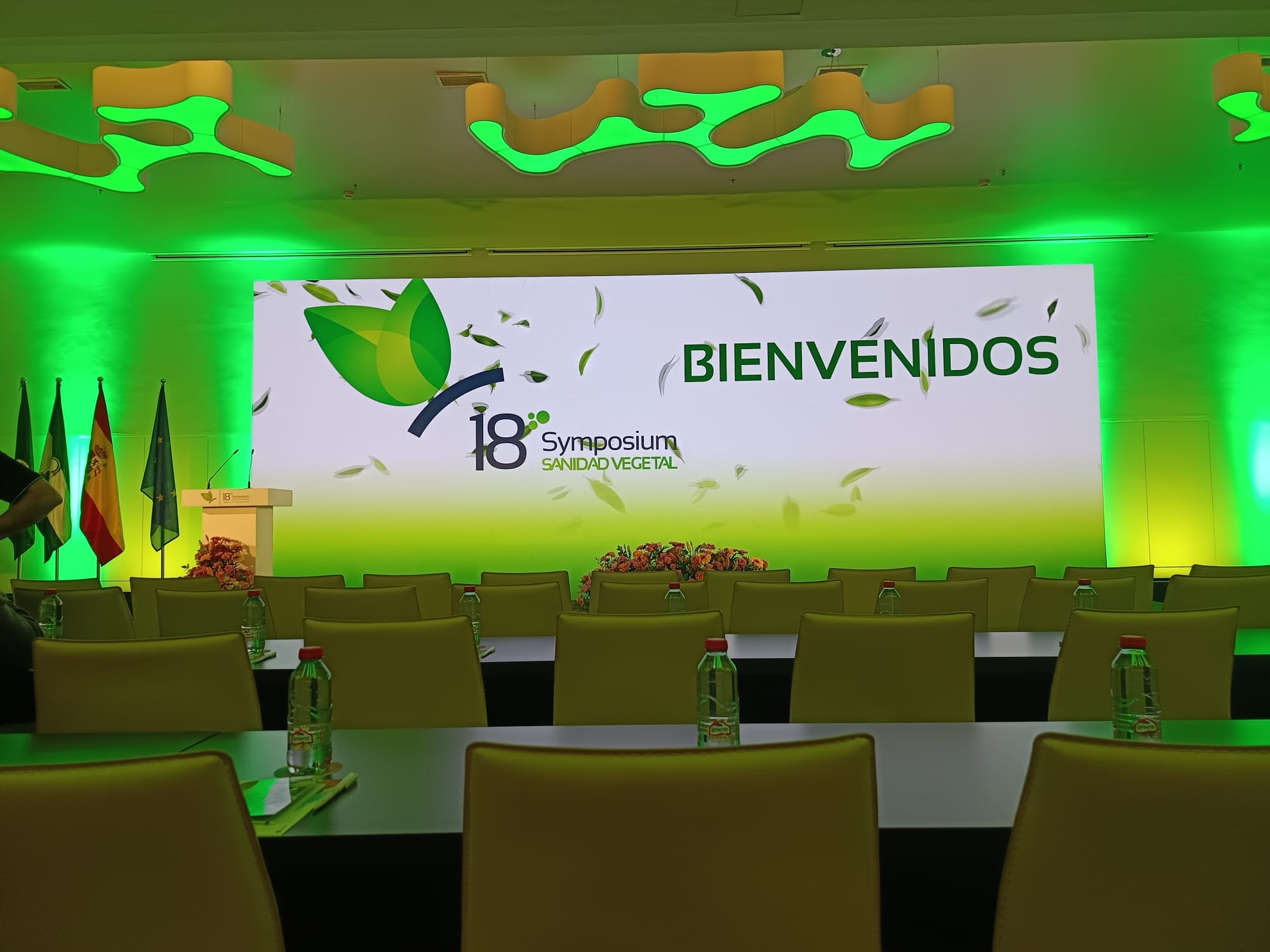
Econatur presents new strategies against abiotic stress at the 18th Seville Symposium


 09 MAR
Econatur presents new strategies against abiotic stress at the 18th Seville Symposium
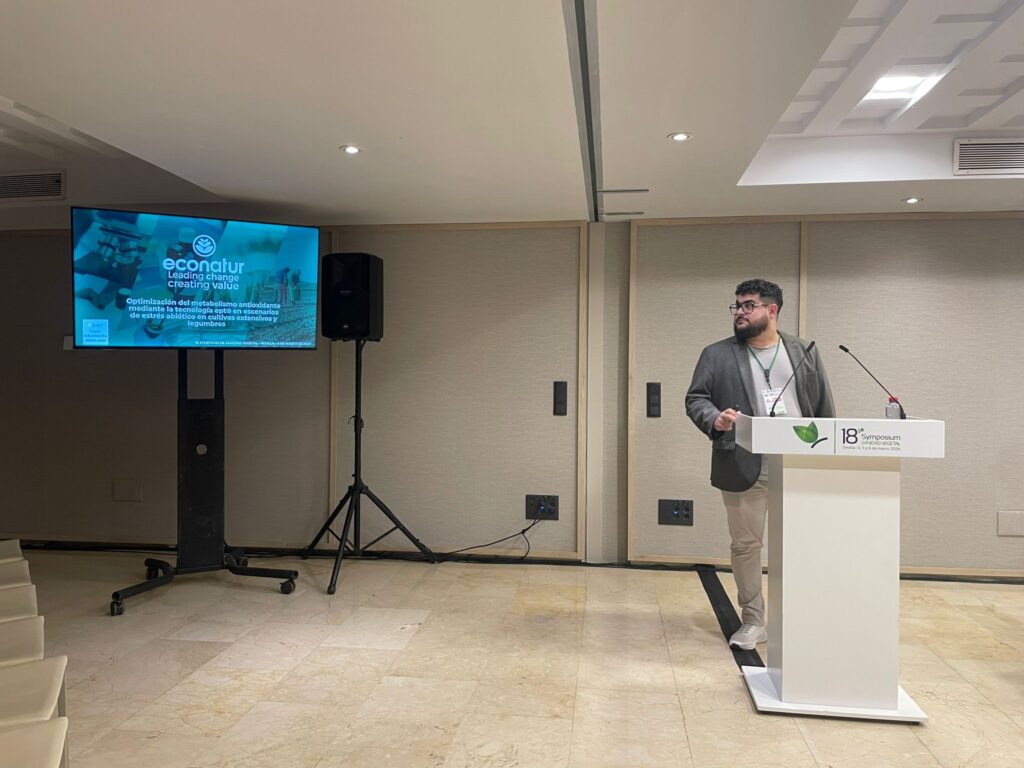
The 18th edition of the Seville Symposium on Plant Health once again brought together researchers, technicians and professionals from the agricultural sector to share advances in sustainable crop protection and management. In this setting, Abraham Galindo, our R&D Project Manager at Econatur, gave a talk focused on the role of advanced nutrition, biocontrol and biostimulation in improving tolerance to abiotic stress.
Under the title “Optimisation of antioxidant metabolism through ept® technology in abiotic stress scenarios in extensive crops and pulses”, the talk presented the results of trials carried out on summer wheat and peas, two strategic crops in northern Europe.
A trial year marked by extreme weather conditions
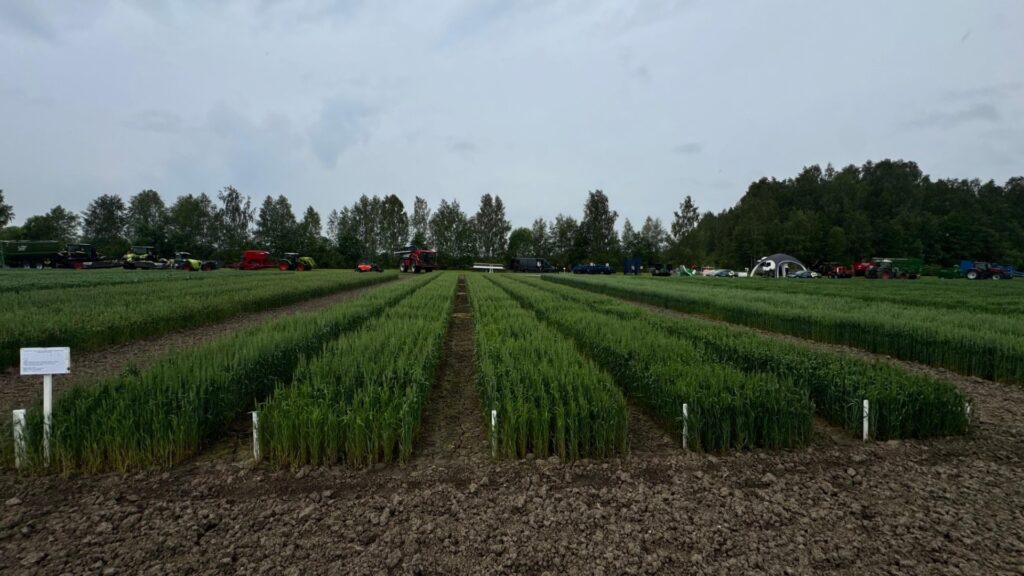
The trials were carried out during the 2025 season in Latvia, in a particularly demanding context from a climate point of view.
During the experimental period, rainfall more than 50% above the historical average was recorded, causing flooding and abiotic stress situations that affected crop development.
This scenario made it possible to assess the potential of different nutritional and biostimulant strategies based on Econatur’s ept® technology, aimed at optimising plants’ antioxidant metabolism and improving their ability to respond to adverse conditions.

Results in wheat: higher yield and better grain quality
In summer wheat, different foliar management programmes combining biostimulant and biocontrol solutions were evaluated.
The results showed a positive response in all treatments compared with the control, with yield increases of more than 10%.
Among the different programmes evaluated, the strategy that integrated solutions such as Mycocer, Fusar 2.0 and Balancer stood out for its ability to improve crop yield.
Besides a production increase of almost 24%, the trials showed relevant improvements in quality parameters:
- Increased grain protein and gluten content
- Greater height and vegetative development
These results suggest that reinforcing antioxidant metabolism can help reduce the physiological impact of waterlogging stress, allowing the crop to maintain more balanced development.
Results in peas: greater vigour and productivity
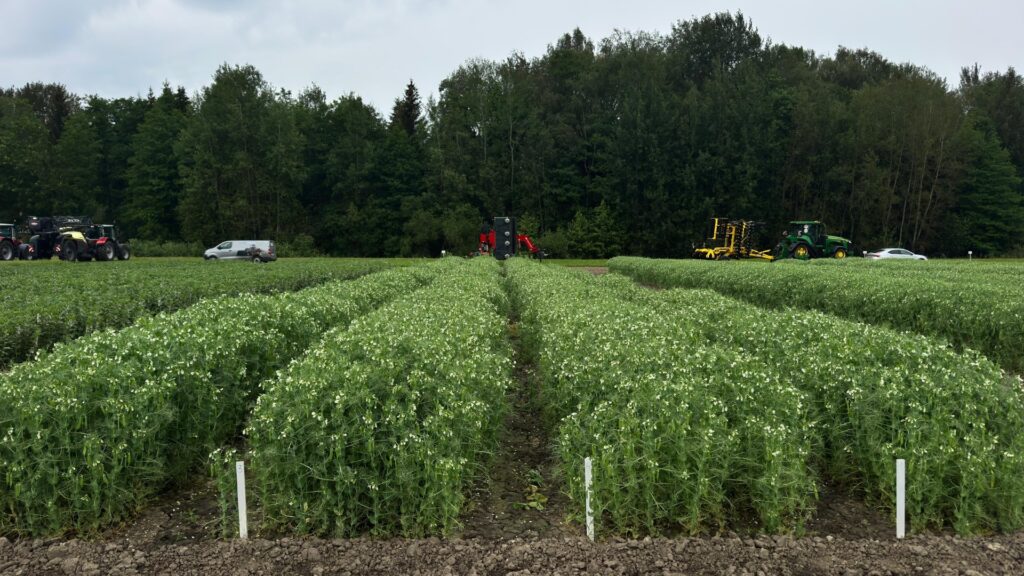
Notable agronomic responses were also observed in the pea crop.
The different management programmes evaluated generated yield increases of 73%, 9% more than the control, with much more significant improvements in some treatments.
Among the most effective programmes were combinations that included solutions such as:
- Econatur Mycocer
- Econatur Acticuper
- Econatur e-Plus
- Econatur HD B‑Mo‑Mg
The treated crops showed:
- A higher number of pods and seeds per plant
- Increased plant height and vigour
- Higher seed protein content
Taken together, these results reflect better adaptation of the crop to water stress conditions, favouring both vegetative development and final productivity.
ept® technology: strengthening plant physiology against stress
The common thread of the research presented was the application of foliar strategies based on ept® technology, developed by Econatur.
This technology is aimed at optimising the physiological processes related to antioxidant metabolism, allowing plants to manage abiotic stress situations more efficiently, such as:
- excess water
- low temperatures
- nutritional imbalances
The results obtained in wheat and peas show that a suitable strategy of nutrition, biocontrol and biostimulation can contribute significantly to improving crop resilience, even in seasons that are particularly complex from a climate point of view.
Agronomic innovation for more resilient agriculture
Econatur’s participation in the Seville Symposium on Plant Health reflects its commitment to applied research and to generating knowledge aimed at solving the real challenges of the field.
In a context marked by increasingly extreme weather, developing solutions that optimise plant physiology and strengthen crops’ tolerance to abiotic stress will be fundamental to guaranteeing production stability and agronomic sustainability.

23 Jan, 2026
E-OLIVE obtains biostimulant regist…
12 Mar, 2026
How to protect the soil after an es…