Agricultural Greenhouses
At Econatur, we provide specialist agricultural greenhouse advice, helping you choose the best solutions to optimise production. We support every stage, from design to management, applying sustainable, efficient strategies for maximum performance. Trust our experience and transform your crops with an expert team in innovative agriculture.

Agricultural Greenhouse Consultancy for Efficient Production
At Econatur, we understand that every crop requires a distinct approach. Our agricultural greenhouse consultancy analyses your specific needs to provide personalised solutions. We help optimise resources, improve profitability and adopt sustainable practices that enhance harvest quality, with support from agricultural experts.
Our team combines technical experience and innovation to help your agricultural greenhouses operate at maximum efficiency. We guide strategic decisions from material selection to comprehensive space management, creating a productive, sustainable environment ready to meet today’s industry challenges.
CONTACT US NOW
Agricultural Greenhouses: Expert Advice for Efficient Production
To improve protected crops, maximise yields and ensure sustainable management, choose our agricultural greenhouse consultancy for efficient production. At Econatur, a plant biotechnology specialist, we support your project through design, optimisation and expert follow-up, integrating crop rotation systems and advanced greenhouse techniques.
Why Choose Agricultural Greenhouses with Specialist Advice?
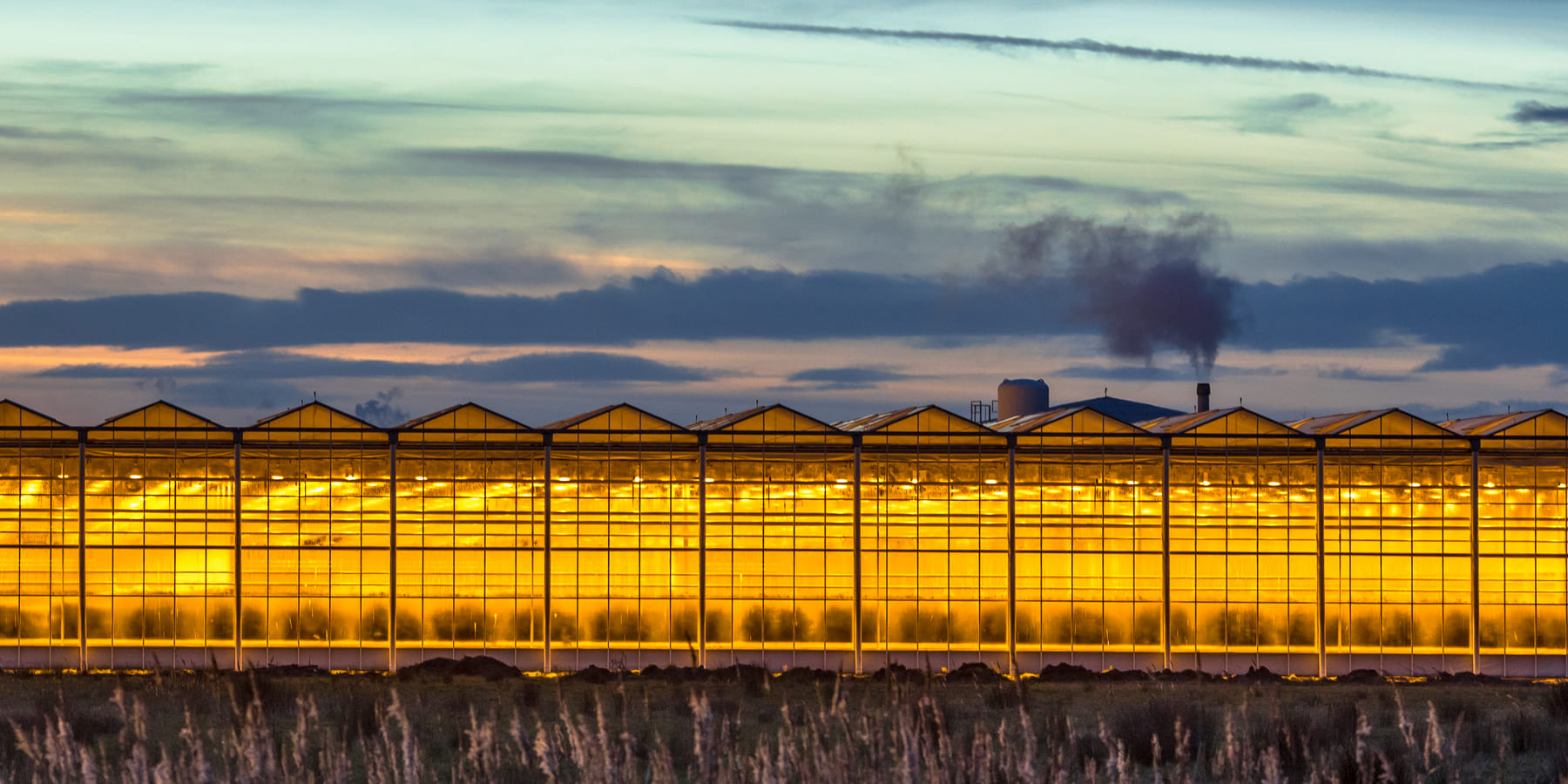
Agricultural greenhouses provide a controlled environment that protects crops from adverse weather, pests and diseases while supporting more consistent growing cycles throughout the year.
Success depends on more than the structure itself: strategy, management and crop rotation are essential to long-term productivity.
Advantages of Expert Consultancy
- Tailored design: structures, materials and climate control adapted to local conditions.
- Crop planning: rotation strategies that optimise nutrients, prevent disease and extend growing media life.
- Monitoring and adjustments: sensors and regular checks of temperature, humidity and radiation.
- Reduced risks: prevention of pests, diseases and problems caused by nutrient excesses or deficiencies.
- Sustainable profitability: better use of water, fertilisers and growing space.
- Technology transfer: training and ongoing support for your technical team.
How Econatur Integrates Crop Rotation in Agricultural Greenhouses
Growing media depletion and the build-up of specific pathogens are major protected-cropping challenges. Crop rotation reduces soil fatigue, diversifies plant families and prevents recurring attacks.
Rotating crops within greenhouse units or adjacent plots according to a cyclical programme helps:
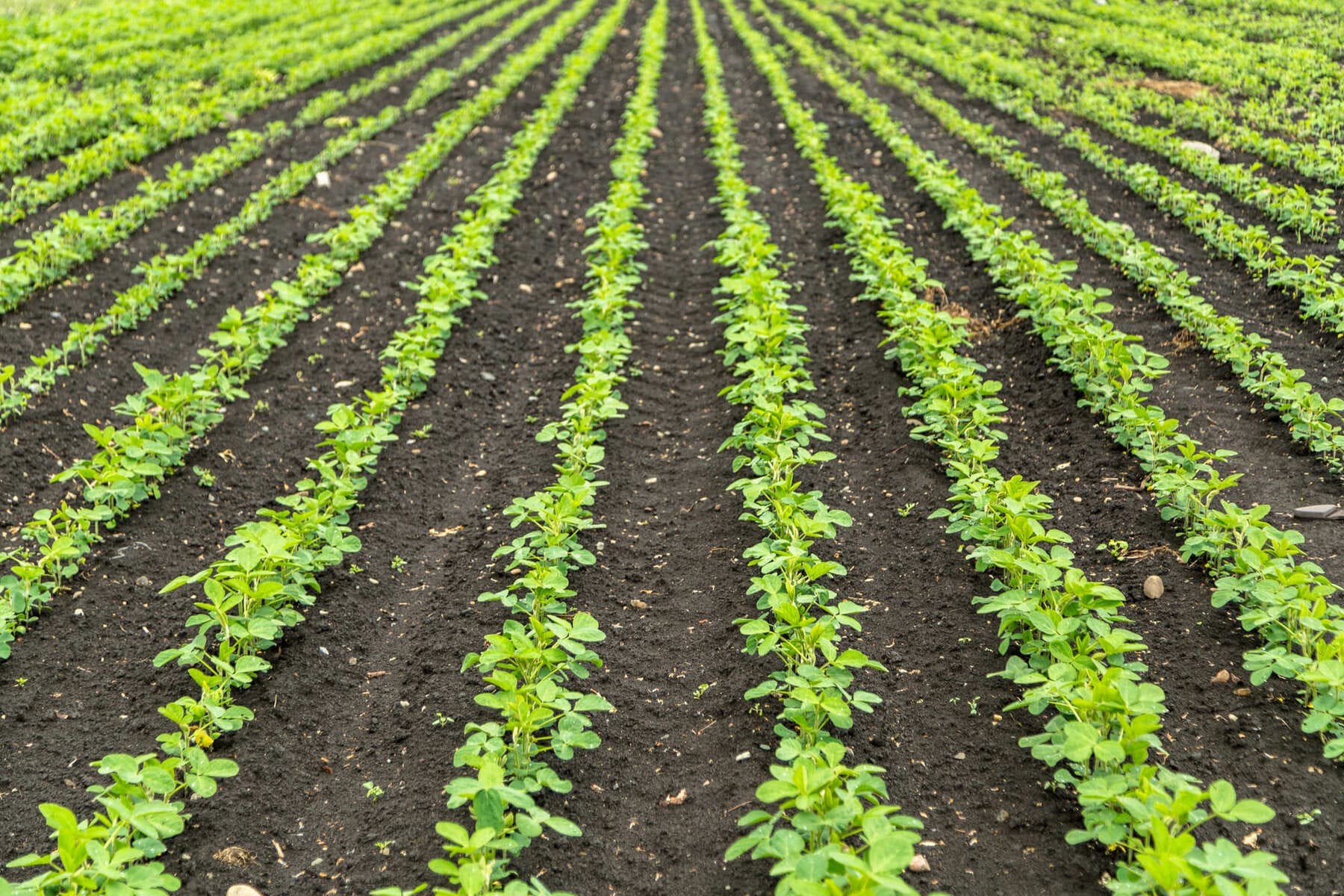
- Restore nutrients naturally, for example by introducing nitrogen-fixing legumes.
- Interrupt the cycles of specific pests and fungi.
- Optimise substrate or growing media use and prevent premature deterioration.
- Increase production system resilience to adverse conditions.
Stages of Greenhouse Crop Rotation
- Initial assessment: diagnose soil health, pathogens and nutrient levels.
- Select complementary crops: alternate different crop families, including fruiting vegetables, root crops, leafy crops and legumes.
- Strategic sequencing: design multi-year cycles that avoid repeating related crops too frequently.
- Gradual implementation: introduce partial rotations across units to reduce risk.
- Monitoring and adjustment: track agronomic variables and adapt as the cycle progresses.
Key Facts About Agricultural Greenhouses
| Aspect | Description / Recommendation |
|---|---|
| Climate control | Temperature and humidity control through ventilation, heating and shading. |
| Irrigation and fertigation | Drip systems with nutrient dosing adapted to crop stages. |
| Growing media | Substrates or controlled soil mixes, regularly replenished with organic matter. |
| Monitoring | Sensors for temperature, humidity, radiation and conductivity. |
| Plant health | Systematic cleaning, physical barriers and internal rotation to prevent disease. |
| Continuous production | Staggered growing cycles enable staggered harvests and reduce risk. |
Specific Benefits of Agricultural Greenhouse Consultancy for Efficient Production
A specialist agricultural greenhouse service focused on efficient production provides tangible benefits:
- Reduced losses: anticipating and correcting design, management and structural errors.
- Higher productivity: healthier crops and better yields per square metre.
- Lower agrochemical requirements: through rotations, biological control and good practices.
- Optimised input costs: lower spending on fertilisers, water and energy.
- Scalability and repeatability: documented, systematic methods that can be reproduced in other units.
- Qualified technical support: professional guidance throughout the project.
Implementing Efficient Agricultural Greenhouses
- ✔ Assess soil and growing media before starting.
- ✔ Select structures and materials suited to the local climate.
- ✔ Install ventilation, shading and heating systems.
- ✔ Establish a diversified crop rotation programme.
- ✔ Implement drip irrigation with controlled fertigation dosing.
- ✔ Install environmental and crop monitoring sensors.
- ✔ Establish cleaning and brushing protocols between cycles.
- ✔ Plan rotations by greenhouse unit to minimise risks.
- ✔ Train staff in good agricultural practices.
- ✔ Monitor continuously and make regular adjustments.
How Does Econatur Work as Your Plant Biotechnology Partner?
As a plant biotechnology company, Econatur combines innovation, botanical expertise and tailored agricultural solutions. Our approach includes:
- Advanced biological techniques for nutrition, soil microbiology and plant health.
- Personalised advice on greenhouse crop rotation systems.
- Ongoing technical support focused on productivity, sustainability and profitability.
- Proven methods adapted to different production scales.
Frequently Asked Questions
Is Crop Rotation Feasible Inside a Greenhouse?
Yes. Although greenhouses traditionally operate as monocultures, suitable planning allows rotation between units or over time to break pathogen cycles and improve growing media health.
How Many Years Should a Rotation Cycle Last?
This depends on the crop and system. In organic vegetable production, rotations of at least three to four years are recommended before repeating the same plant family.
Does This Service Significantly Increase the Initial Investment?
Professional advice involves an initial cost, but this can be recovered quickly through fewer losses, lower input costs and sustained higher yields.
How Can We Ensure the Rotation Plan Is Followed?
Through unit-based planning, written records, sensors, continuous monitoring and adjustments based on results.
Agricultural greenhouses provide a controlled environment for maximising production, but require a strategic approach. With agricultural greenhouse consultancy for efficient production from Econatur, you can integrate rotation systems, monitoring and effective management to turn your investment into solid, sustainable results.
Ready to optimise your greenhouse with advanced biotechnology techniques? Contact us today and take the next step towards more efficient, profitable and reliable production.