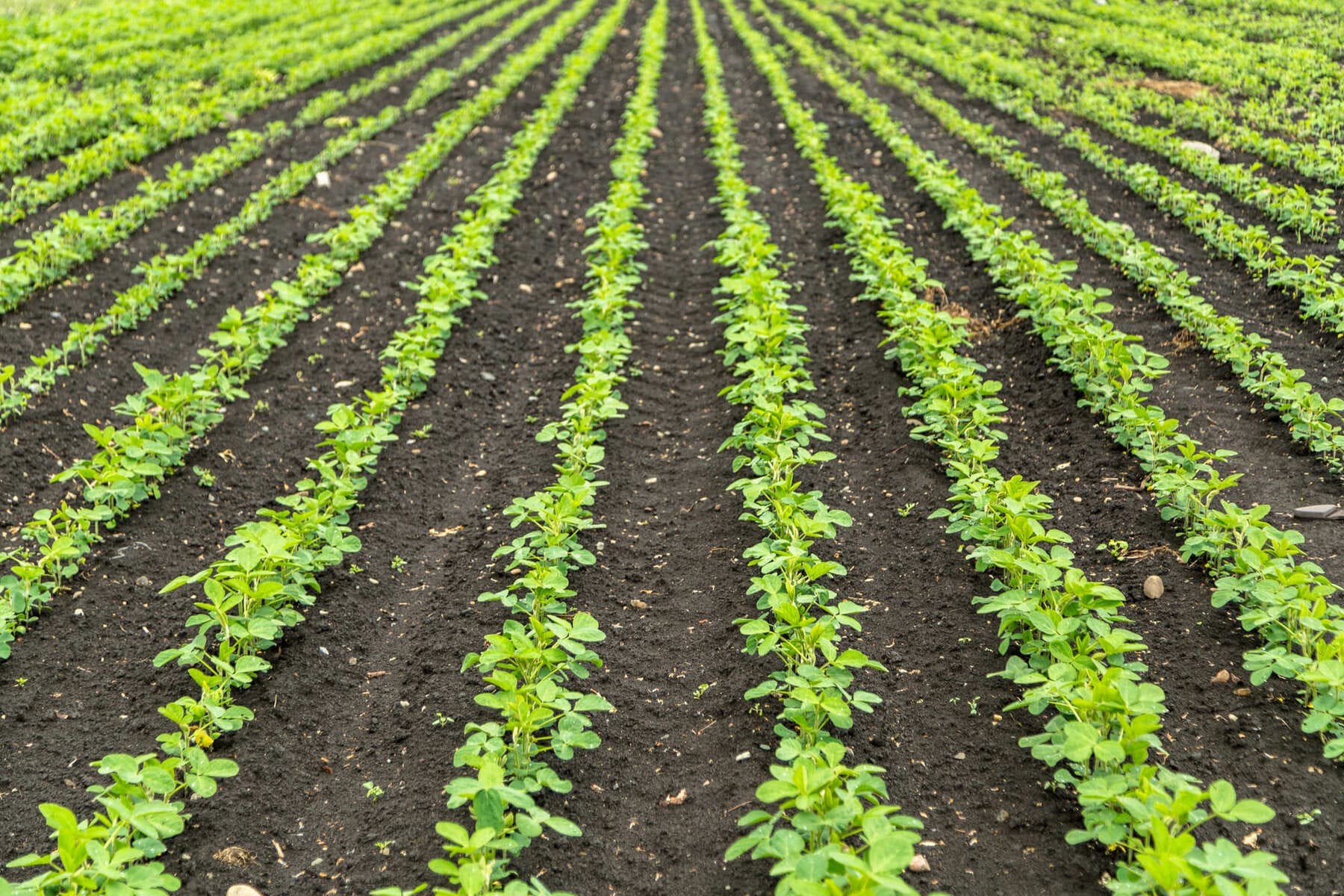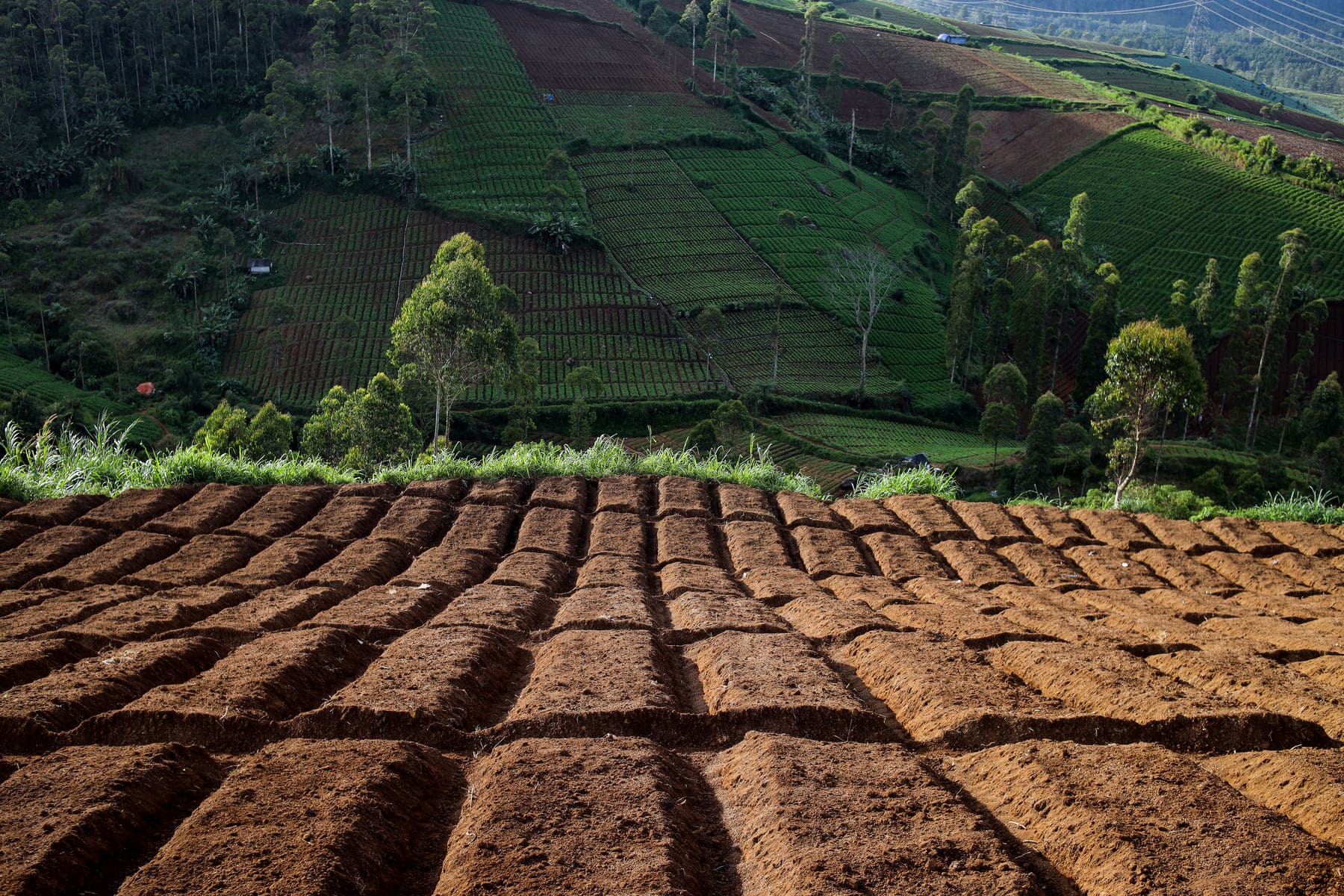
Agricultural Soil Management
Agricultural soil management designed to maximise productivity and soil health through advanced strategies for fertility, structure and soil biology. We apply technical analysis, interpret soil parameters and develop personalised improvement plans to optimise nutrient retention, microbial activity and water efficiency, supporting more profitable, sustainable crops over the long term.
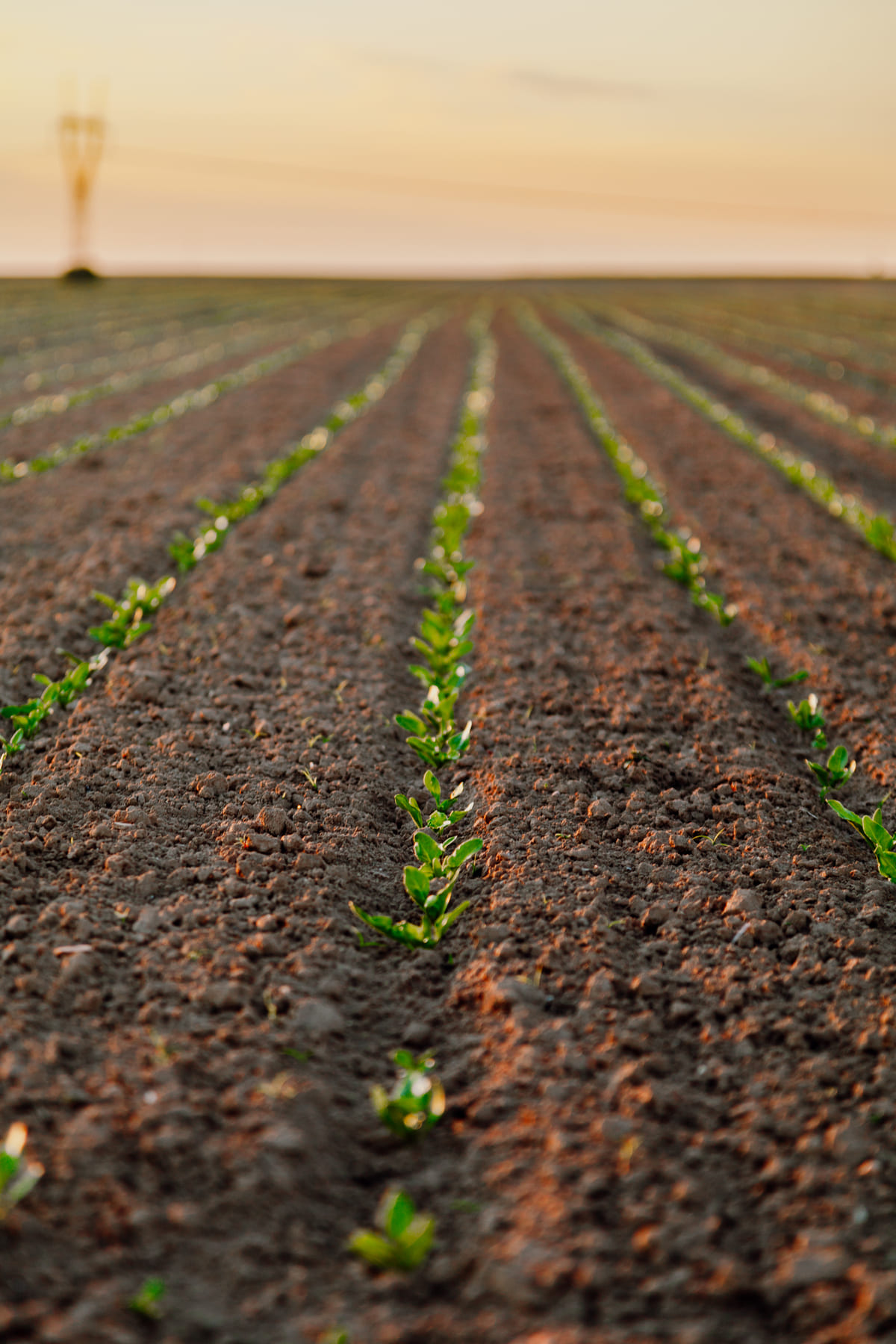
Efficient Agricultural Soil Management
Agricultural soil management is the foundation of optimum, sustainable yields. A technical approach based on physical, chemical and biological analysis enables accurate soil assessment and strategies adapted to each crop and production environment.
Advanced management plans optimise nutrient availability, improve soil structure and enhance microbial activity. This increases input efficiency, reduces operating costs and creates more resilient, productive agricultural systems over the long term.
CONTACT US NOW
Agricultural Soil Management: Optimise Crop Productivity and Sustainability
Agricultural soil management is fundamental to productive, sustainable and profitable crops over the long term. As agriculture faces soil degradation, climate change and the need to produce more with fewer resources, effective soil management has become essential.
Discover how to improve soil health, increase crop productivity and apply advanced practices supported by specialists such as Econatur, a recognised plant biotechnology company focused on innovative solutions for modern agriculture.
What Is Agricultural Soil Management?
Agricultural soil management comprises practices, techniques and strategies to conserve, improve and optimise the soil’s physical, chemical and biological properties, maximising agricultural productivity.
Alongside increasing yields, it supports ecosystem sustainability by encouraging living, fertile and resilient soils.
Effective soil management involves:
- Preserving soil structure.
- Optimising nutrient content.
- Encouraging biological activity.
- Reducing erosion and degradation.
- Improving water retention.
The Importance of Soil Management in Modern Agriculture
Soil is a living system as well as physical support for plants. Good management can make the difference between a profitable farm and one losing productivity year after year.
Appropriate soil management helps:
- Increase crop yields without increasing inputs.
- Reduce costs associated with fertilisers and amendments.
- Improve agricultural product quality.
- Protect the environment.
Specialist advice makes a significant difference, particularly when applying innovative solutions developed by a plant biotechnology company such as Econatur.
Agricultural Soil Management at a Glance
| Aspect | Description | Impact on Crops |
|---|---|---|
| Physical properties | Soil structure, texture and porosity | Better root development and water retention |
| Chemical properties | pH, nutrients and organic matter | Optimum nutrient availability |
| Biological properties | Microorganisms and biodiversity | Greater soil fertility and resilience |
| Sustainable management | Efficient resource use | Long-term sustainable production |
| Erosion control | Conservation practices | Prevents fertile soil loss |
Benefits of Effective Agricultural Soil Management
Investing in agricultural soil management improves short-term results and builds a strong foundation for the future.
1. Increased Productivity
Healthy soil helps plants absorb nutrients more effectively, producing more vigorous, productive crops.
2. Lower Costs
Optimising soil reduces the need for fertilisers and chemical amendments, lowering operating expenses.
3. Environmental Sustainability
Good practices minimise environmental impact and encourage responsible farming.
4. Improved Soil Quality
Increased organic matter and biological activity improve natural soil fertility.
5. Greater Resilience to Climate Change
Well-managed soils retain water better and withstand adverse conditions such as drought.
An Essential Agricultural Soil Management Checklist
An efficient system requires organisation and oversight. Use this checklist to assess and improve your strategy:
- ✔ Analyse soil regularly.
- ✔ Monitor pH and correct imbalances.
- ✔ Increase organic matter.
- ✔ Implement crop rotation.
- ✔ Avoid soil compaction.
- ✔ Manage irrigation correctly.
- ✔ Use biostimulants and biotechnology solutions.
- ✔ Prevent erosion with cover crops.
- ✔ Monitor microbial activity.
- ✔ Seek specialist technical advice.
Top Tips for Efficient Agricultural Soil Management
Practical results require strategies that work in the field. Consider these effective approaches:
Optimise Organic Matter
Organic matter improves soil structure and fertility. Adding compost or plant residues can make a substantial difference.
Encourage Soil Life
Microorganisms transform nutrients and improve their availability to plants. Biotechnology solutions can strengthen this process.
Avoid Aggressive Practices
Excessive tillage can destroy soil structure. Choose minimum-intervention techniques.
Manage Water Intelligently
Adapt irrigation to crop and soil needs, avoiding both shortages and excesses.
Apply Technology and Expertise
Modern farming requires data-based decisions. Experts and advanced tools provide a competitive advantage.
Why Trust a Plant Biotechnology Company?
Innovation is central to the future of agricultural soil management. Plant biotechnology companies develop solutions beyond traditional methods.
As a specialist company, Econatur provides:
- Solutions based on beneficial microorganisms.
- Products that improve soil fertility naturally.
- Personalised technical advice.
- Technologies adapted to different crops and conditions.
This helps growers and agricultural businesses make significant improvements in their results.
Conclusion: Soil Is Your Greatest Asset
Agricultural soil management is a key strategy for the success of any farm.
Investing in soil care means investing in productivity, sustainability and profitability. With the right support and advanced practices, you can transform your results and secure your crops’ future.
Now is the time to act. Optimise your soil, improve harvests and take agricultural production to the next level.
Frequently Asked Questions About Agricultural Soil Management
Here are answers to common questions about agricultural soil management, its importance and how to apply it effectively to your crops.
Why Is Agricultural Soil Management Important?
Agricultural soil management maintains and improves fertility, optimises nutrient uptake and increases crop productivity. It also supports agricultural sustainability by preventing degradation and encouraging long-term natural balance.
How Often Should Soil Be Analysed?
Soil analysis is recommended at least once a year, although intensive crops may require more frequent testing. This is a key part of agricultural soil management, helping identify deficiencies, adjust fertilisation and support more precise decisions.
Which Practices Improve Agricultural Soil Management?
Effective agricultural soil management practices include crop rotation, organic matter application, reduced tillage, irrigation control and biotechnology solutions. These improve soil structure and fertility while encouraging biological activity.