Weed Control in Crops
Weed control in crops is essential for healthier, more productive harvests. Our sustainable, innovative and environmentally responsible solutions help protect your plants, optimise yields and secure a more profitable, efficient future for your farm.


Effective Solutions for Weed Control in Crops
Weed control in crops protects your plants, prevents yield losses and supports balanced growth. With the right management, your land remains fertile and your harvests can reach their full productive potential.
Our solutions are designed to work effectively while respecting the environment. Through a sustainable approach, you can keep even persistent weeds under control and maintain a natural balance that benefits both growers and the ecosystem.
CONTACT US NOW
Weed Control in Crops: Effective Solutions to Maximise Yields
At Econatur, an experienced plant biotechnology company, we offer professional weed control in crops services designed to optimise your fields, protect your investment and deliver healthier, more profitable harvests. If you are looking for effective solutions for weed control in crops, you are in the right place.
Why Is Weed Control in Crops Critical?
Weeds compete with crops for vital resources such as water, nutrients, light and space. Poor control can lead to:
- Lower crop survival rates.
- Significant yield reductions.
- More pests, diseases and other imbalances.
- Rising costs for corrective action during the growing season.
Effective management from the outset is essential to prevent weeds becoming a serious problem that compromises farm profitability.
An Integrated Strategy for Weed Control in Crops
At Econatur, we take a comprehensive, sustainable approach to weed control, combining preventive and corrective methods with advanced technologies. Our strategy includes the following steps.
1. Thorough Assessment and Monitoring
The first step is an accurate field assessment:
- Identifying the weed species present and the weed seed bank.
- Recording weed problems from year to year.
- Mapping the land and problem areas.
This monitoring helps tailor solutions and avoid unnecessary treatments.
2. Preventive and Cultural Methods
Prevention is as important as corrective action. Effective techniques include:
- Crop rotation and diversification: alternating species makes it harder for weeds to become dominant.
- Cover crops: sowing species that cover the soil and block light from reaching weed seeds.
- Minimising deep tillage: avoiding excessive soil disturbance that can trigger widespread germination.
- Residue management and field-edge maintenance: preventing weeds at field margins from invading crops.
- Strategic fallow periods: resting fields with scheduled weed clearance.
3. Corrective Techniques: Direct Intervention
Once weeds have emerged or are growing, methods are adapted to the situation:
- Mechanical and manual control: hand weeding, hoeing and specialist cultivation machinery.
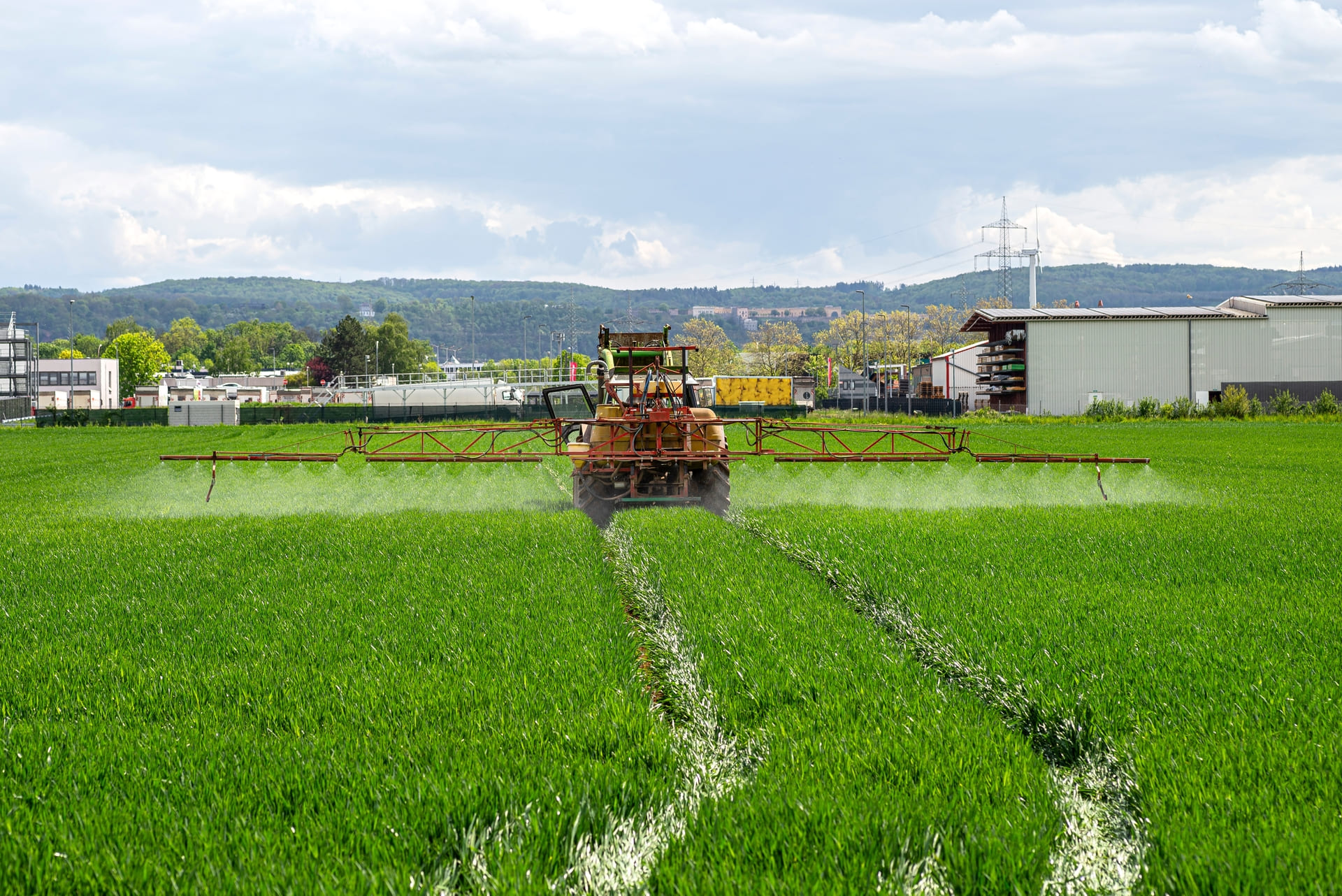
- Chemical control with herbicides: selective and non-selective, pre-emergence and post-emergence products, always following application rates and regulations.
- Biological control: living agents such as insects, fungi and mountain microorganisms that affect weeds without harming the crop.
- Precision weeding and emerging technologies: targeted spraying robots and machine vision detection to reduce indiscriminate chemical use.
4. Integration with Technology and Plant Biotechnology
As a specialist plant biotechnology company, Econatur complements traditional techniques with innovations such as:
- Microbial or plant-based biopesticides that control weeds without adversely affecting the ecosystem.
- Natural suppression agents based on microbial extracts that inhibit germination or growth.
- Field monitoring platforms using sensors and satellite imagery for localised applications.
This combined approach maximises the efficiency of weed control in crops while reducing costs, risks and unintended effects.
Weed Control Methods and Their Advantages
| Method | Application | Advantages | Limitations |
|---|---|---|---|
| Preventive / cultural | Rotation, cover crops and delayed sowing | Reduced weed pressure, fewer inputs and sustainability | Requires long-term planning |
| Mechanical / manual | Weeding and shallow tillage | No chemicals, immediate action and localised control | Labour intensive and can affect the soil |
| Chemical | Pre-emergence / post-emergence herbicides | Effective, rapid and broad coverage | Resistance risk and environmental impact |
| Biological | Living agents that attack weeds | Environmentally responsible and targeted | Less predictable and requires technical expertise |
| Precision technology | Robots and targeted spraying | Input savings, reduced exposure and high efficiency | Initial costs and technology still under development |
Benefits of Using Effective Solutions for Weed Control in Crops
- Reduced losses: less plant competition and greater resource availability for crops.
- Improved economic efficiency: lower input costs by treating only where necessary.
- Sustainability: lower environmental impact, appropriate crop rotation and fewer legal risks.
- Long-term profitability: keeping the weed seed bank under control prevents recurring outbreaks.
- Confidence and technical support: plant biotechnology experts provide reliable assessments, monitoring and reports.
Why Choose Econatur as Your Weed Control Partner?
- Technical expertise: scientific knowledge and applied technologies for each situation.
- Personalised solutions: plans adapted to each crop and region rather than generic treatments.
- Continuous support: supervision, adjustments and assistance throughout the crop cycle.
- Responsible innovation: traditional methods combined with biopesticides and precision tools to minimise impacts.
- Transparency and measurable results: performance metrics and comparisons that show the service’s practical value.
Key Factors for a Successful Weed Control Programme
- Application timing: apply herbicides when weeds are young, before they reach the reproductive stage.
- Rotation of modes of action: alternate active ingredients to prevent resistance.
- Precise application rates: avoid overdosing and follow the instructions for each crop.
- Targeted applications: use targeted spraying or spot spraying technology to treat only areas where weeds are present.
- Integration with irrigation and nutrition: adjust irrigation and fertilisation to favour crops over weeds.
- Post-treatment monitoring: assess results and identify surviving weeds for follow-up action.
- Ongoing training: keep farm teams up to date with integrated weed management.
Results You Can Expect from Our Service
- A smaller weed seed bank.
- A progressive reduction in chemical applications.
- Improved crop uniformity and vigour.
- More stable yields and less variability under adverse conditions.
- Greater adaptability to changes in climate or management.
Would you like to assess your fields and discover how to implement an effective weed control in crops programme supported by biotechnology? Contact us without obligation. Our technical team will carry out an initial assessment and propose a tailored strategic plan.
Frequently Asked Questions About Weed Control in Crops
We know that weed control in crops raises many questions, particularly when you want an effective, sustainable approach. Here are answers to common questions to support informed decisions.
When Is the Best Time to Apply Weed Treatments?
The best timing depends on the weed and crop. In general, pre-emergence treatments should be applied before weeds germinate, and post-emergence treatments during their early development stages. A prior assessment is essential for precise action.
What Sustainable Methods Are Available for Weed Control in Crops?
Sustainable alternatives include crop rotation, cover crops and biological control, alongside microorganism-based biopesticides. These solutions help maintain ecosystem balance and reduce dependence on chemical herbicides.
What Are the Risks of Failing to Control Weeds in Time?
The consequences can be serious: yield losses, more pests and diseases, increased costs and greater difficulty regaining control of the field. Delayed action can compromise the entire growing season.