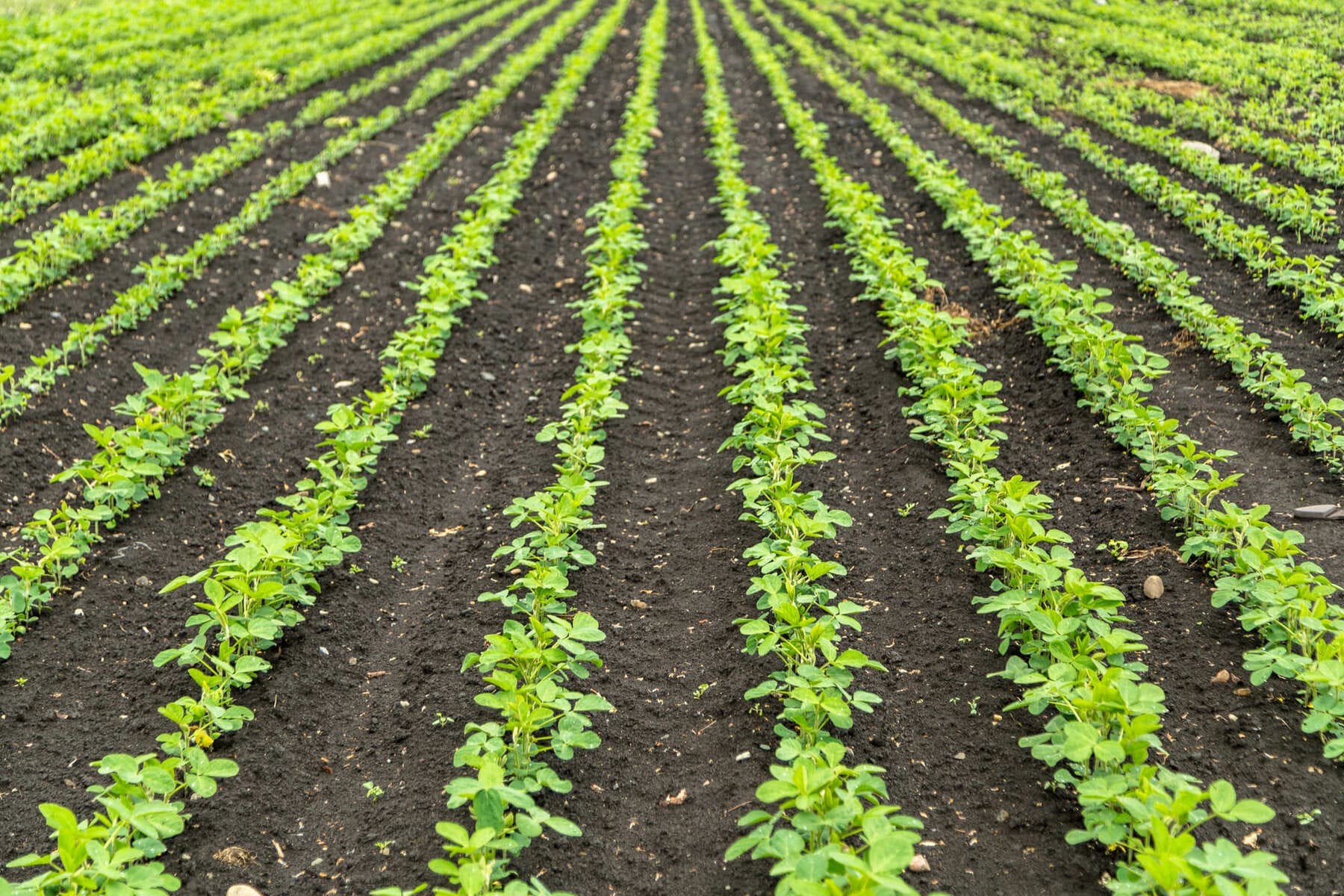
Crop Fertilisation

Crop Fertilisation
Crop fertilisation is essential for healthy growth and optimum agricultural yields. It supplies the soil with nutrients plants need, including nitrogen, phosphorus and potassium. Appropriate fertilisation corrects deficiencies, improves soil structure and increases water-use efficiency. Adapting fertiliser types and quantities to each crop and development stage is fundamental to achieving good results.
An efficient crop fertilisation strategy should be based on soil analysis and the crop’s specific needs. This enables precise nutrient application, avoiding excesses that could harm the ecosystem or cause financial losses. Organic or controlled-release fertilisers can also improve the sustainability of agricultural systems. Effective fertilisation management supports more profitable, responsible and environmentally friendly farming.
CONTACT US NOW
Crop Fertilisation: Maximise Your Harvests with Econatur
In modern agriculture, crop fertilisation is essential for abundant, sustainable harvests. Applying the right nutrients at the right time improves productivity, optimises resources and protects the environment. At Econatur, a plant biotechnology company, we offer innovative solutions for efficient, responsible fertilisation.
Why Is Fertilising Your Crops Crucial?
Crop fertilisation supplies essential nutrients that the soil alone cannot always provide in sufficient quantities. Appropriate nutrition delivers:
- Higher yields: well-nourished plants grow more and produce more fruit.
- Better quality: crops offer improved flavour, colour and nutritional value.
- Disease resistance: healthy plants are less susceptible to pests and diseases.
- Efficient water use: appropriate nutrients improve water uptake and retention.
Benefits of Timely Fertilisation
Applying fertilisers at the right time is as important as choosing the right type. Timely fertilisation provides:
- Alignment with growth stages: nutrients are used more effectively when supplied during critical development phases.
- Reduced losses: preventing nutrient leaching and volatilisation protects the environment.
- Resource optimisation: lower fertiliser requirements reduce costs.
An Effective Crop Fertilisation Schedule
The following general schedule should be adapted to the crop, soil conditions and local climate.
| Crop Stage | Timing | Fertilisation Type | Key Nutrients |
|---|---|---|---|
| Soil preparation | Before sowing | Base fertilisation | Nitrogen (N), phosphorus (P), potassium (K) |
| Vegetative growth | 2–4 weeks after sowing | Growth fertilisation | Nitrogen (N) |
| Flowering | At the start of flowering | Flowering fertilisation | Phosphorus (P), potassium (K) |
| Fruiting | During fruit formation | Fruiting fertilisation | Potassium (K), calcium (Ca) |
| Post-harvest | After harvest | Recovery fertilisation | Organic matter, micronutrients |
Practical Tips for Efficient Fertilisation
- Analyse the soil: carry out regular tests to understand your crops’ specific needs.
- Choose suitable fertilisers: consider the crop type, growth stage and soil conditions.
- Apply at the right time: coordinate fertilisation with critical plant development phases.
- Use efficient application techniques: methods such as fertigation improve uptake and reduce losses.
- Monitor and adjust: observe crop responses and adapt application rates and timing as needed.
Why Choose Econatur for Crop Fertilisation?
At Econatur, a plant biotechnology company, we combine innovation and sustainability to offer fertilisation solutions adapted to each grower’s needs. Our products are developed using plant biotechnology to provide:
- High efficiency: nutrients in forms that plants can readily absorb.
- Environmental responsibility: formulations that minimise ecological impact.
- Personalised advice: technical support at every stage.
Trust Econatur to take your crop fertilisation to the next level.
Frequently Asked Questions About Crop Fertilisation
Crop fertilisation can raise questions, especially when you want to improve land productivity efficiently and sustainably. Here are answers to common questions from our customers.
When Is the Best Time to Fertilise a Crop?
The best timing depends on the crop, but should generally coincide with periods of peak nutrient demand, such as vegetative growth, flowering and fruiting. Well-planned fertilisation ensures nutrients are available when plants need them most.
What Types of Fertilisers Are Available, and Which Should I Use?
Fertilisers include organic, mineral and biotechnology-based products. The right choice depends on soil and crop requirements. At Econatur, a plant biotechnology company, we recommend plant biotechnology solutions that offer high efficiency, sustainability and environmental safety.
Is Soil Analysis Necessary Before Fertilising?
Yes. Soil analysis identifies specific nutrient deficiencies so fertilisation can be adjusted accordingly. This prevents excessive fertiliser use and maximises production and quality.