Conservation Agriculture

Conservation Agriculture
Conservation agriculture is the key to more sustainable, profitable and environmentally responsible farming. At Econatur, we use techniques that care for the soil, encourage biodiversity and reduce the use of chemicals. As a plant biotechnology company, we offer natural solutions that strengthen the resilience of agricultural ecosystems. Protect your crops and the future of your farm with a production strategy aligned with the principles of agroecology.
Adopting conservation agriculture improves soil fertility, increases water-use efficiency and reduces erosion. At Econatur, we combine innovation, science and experience to support your transition towards regenerative agriculture. Our technical team advises you on practices such as direct drilling, soil cover and biological management. Discover how a plant biotechnology company can help you produce more with a lower environmental impact.
CONTACT US NOW
Conservation Agriculture Services
As a plant biotechnology company, Econatur offers a specialised conservation agriculture service. Our approach combines science, innovation and proven techniques to restore and protect soil health, helping you achieve sustainable, profitable and environmentally responsible production. We support farmers and agribusinesses in designing and implementing systems that restore soil fertility, reduce external inputs and enhance biodiversity from the first year.
What Is Conservation Agriculture?
Conservation agriculture is a farming system based on three essential principles: minimum soil disturbance, permanent soil cover and crop diversification. These practices are adapted to local conditions to preserve natural resources, improve soil structure and increase its water-holding capacity. Our service provides comprehensive advice on implementing these principles efficiently, drawing on advanced technology and practical field experience.
The Principles of Conservation Agriculture
The principles of conservation agriculture focus on practices that preserve and improve long-term soil health. They include minimum soil disturbance, permanent soil cover and crop diversification. Applying these principles helps balance the agricultural ecosystem, reduce erosion and improve the soil’s ability to retain water and nutrients. At Econatur, we help you put them into practice through technology and specialist advice.
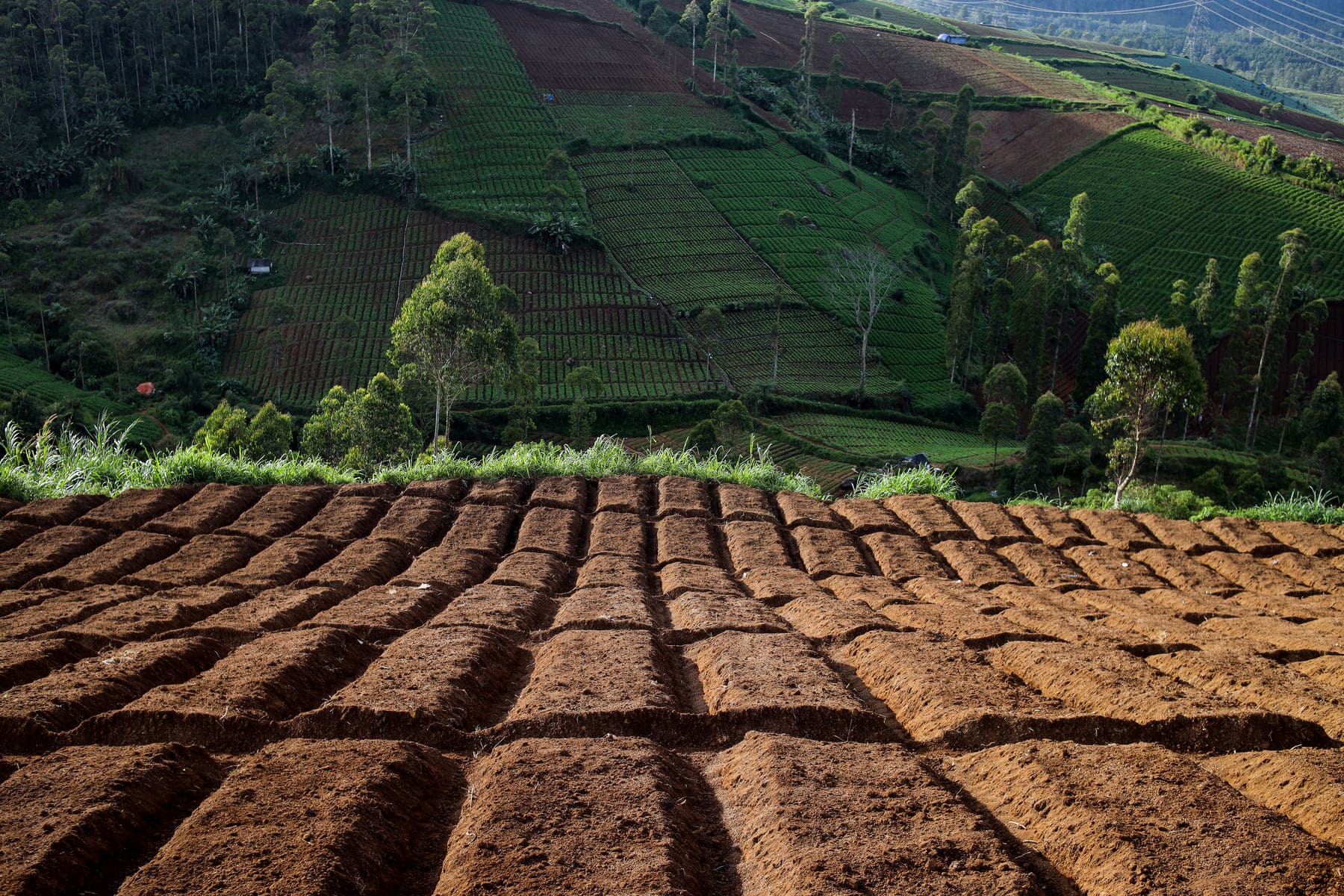
- Minimum soil disturbance: we avoid conventional tillage and favour approaches such as direct drilling or minimum tillage to protect the fertile topsoil.
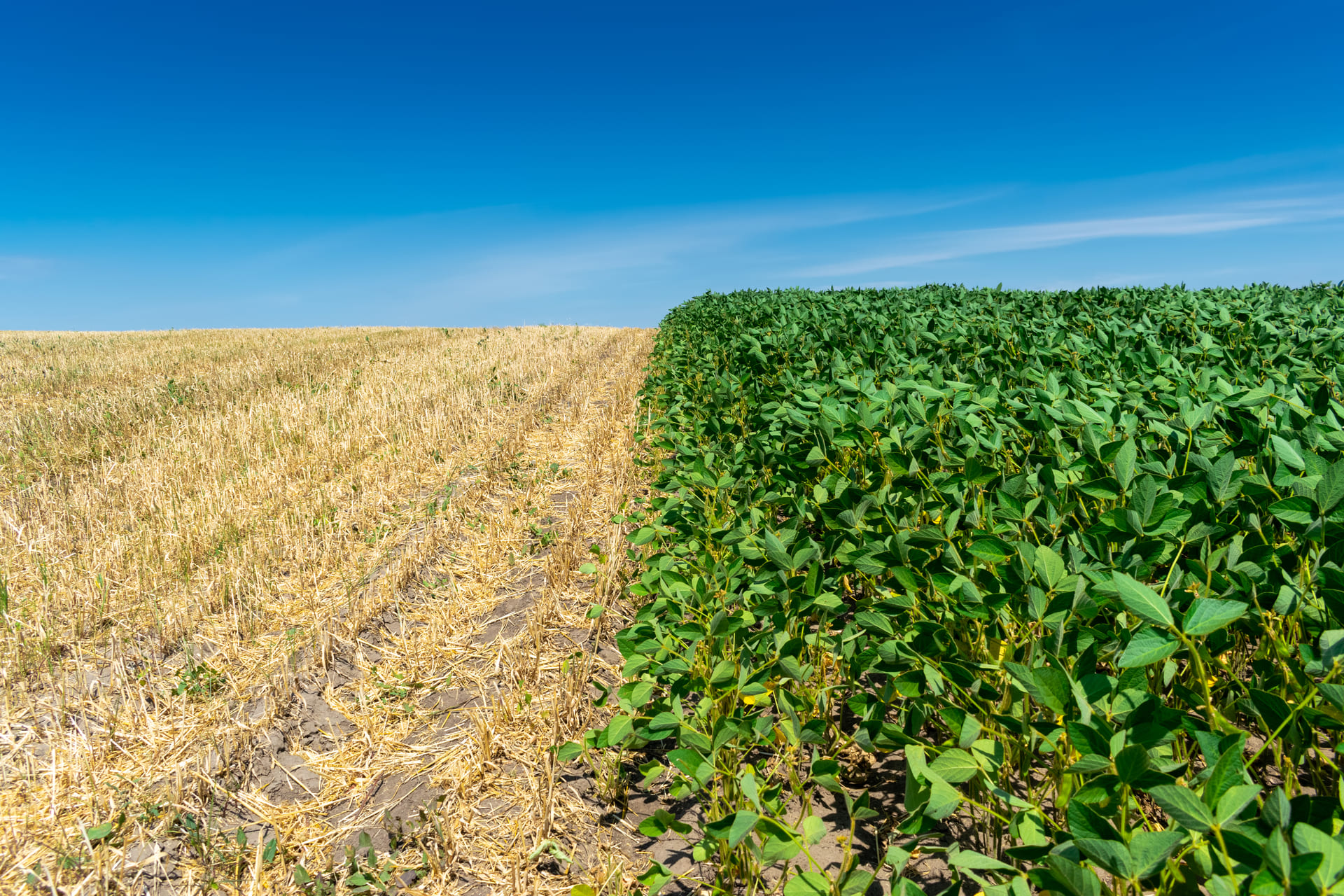
- Permanent soil cover: we keep the soil protected with crop residues or cover crops, reducing erosion and supporting soil microorganisms.
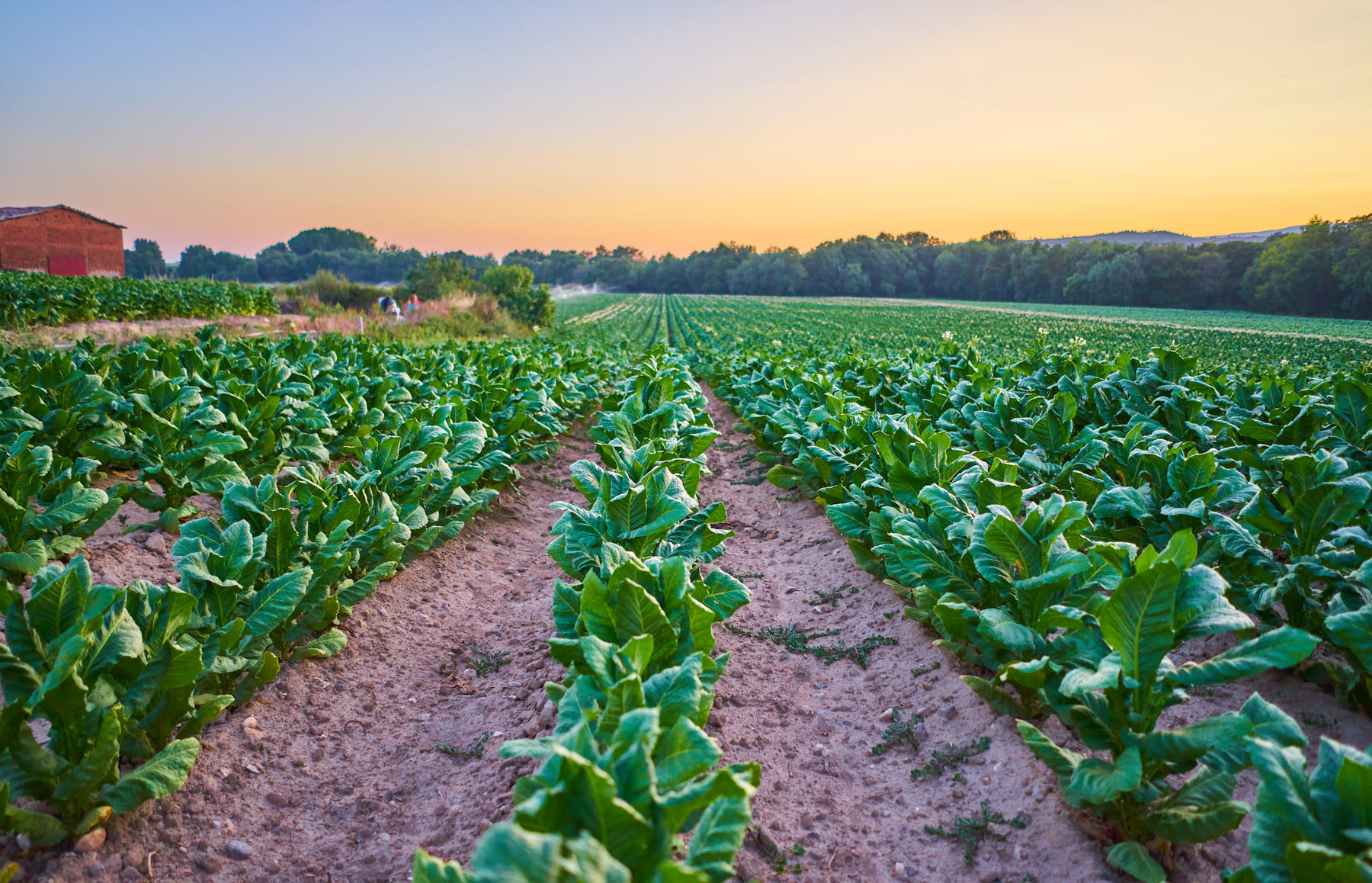
- Crop diversification: we rotate crops and introduce plant associations to improve soil health and control pests naturally.
Advantages and Disadvantages of Conservation Agriculture
Like any production system, conservation agriculture brings both benefits and challenges that should be considered before implementation. Its main advantages include improved soil fertility, reduced erosion and lower consumption of resources such as water and energy. However, there are also disadvantages, including the need for initial investment, technical training for staff and adjustments to farm management. Assessing these factors carefully is essential for a successful transition.
| Advantages | Disadvantages |
|---|---|
|
|
Examples of Conservation Agriculture
In various parts of Latin America, including Argentina, direct drilling is being promoted alongside maize and soybean rotations, using cover crops to protect the soil and fix nitrogen. Direct drilling is also used in rainfed areas and variable climates to conserve moisture, reduce erosion and improve soil organic matter.
Best Practices in Conservation Agriculture
- Direct drilling: sowing without tillage to preserve soil structure and save energy
- Soil cover: using crop residues or cover crops to protect and enrich the soil
- Crop rotation and diversification: integrating different species to balance nutrients and break pest cycles
- Conservation tillage: using minimum tillage or strip tillage where necessary
- Technology: using sensors, GPS, drones and software for precise monitoring and targeted action

Tips for Improving Your Conservation Agriculture Practices
- Train your team in conservation practices and the use of technology
- Keep detailed farm records to assess changes in soils, crops and field conditions
- Adapt techniques to your climate and soil type: every area is different
- Use cover crops between harvests to maintain active organic matter throughout the year
- Monitor weeds and pests regularly and use integrated management methods
- Consider rotations that include legumes to fix nitrogen naturally
- Check soil compaction periodically and use subsoiling where necessary
Why Choose Econatur for Conservation Agriculture?
As a plant biotechnology company, Econatur provides a comprehensive, personalised service:
- Technical assessment: analysis of soil, water and soil microorganisms
- A tailored plan for your farm, taking account of climate, crop type and rotations
- Guided implementation: machinery, techniques, training and follow-up
- Ongoing advice: monitoring, adjustments and regular audits
- Measurable results: energy savings, higher yields and healthier harvests
Conclusion
If you want to maximise your land’s productivity while protecting the environment, conservation agriculture with Econatur is an ideal choice. Our service combines innovation, expertise and commitment to help transform your farm into a sustainable, efficient and profitable operation. Contact us today to discover how our advanced strategies can restore your soil, reduce costs and support stronger crops year after year.
Frequently Asked Questions About Conservation Agriculture
We answer some of the most common questions about conservation agriculture to help you understand its benefits, applications and practical considerations before adopting it.
Does Conservation Agriculture Require Specialist Machinery?
Yes. In many cases, machinery adapted for direct drilling or minimum tillage is recommended. This equipment allows you to work the soil with minimal disturbance, preserving its natural structure and reducing erosion.
How Long Does It Take to See Improvements in the Soil?
The most visible effects usually appear after one or two cropping cycles, depending on the soil type and management practices. However, improvements in soil structure and microbial activity may begin in the first year.
Can Conservation Agriculture Be Applied to Any Crop?
Conservation agriculture is highly versatile and can be adapted to a wide range of crops, from cereals to vegetables. The key is to adjust practices to the soil type, climate and available crop rotations.