Biological Pest Control in Crops
Biological pest control with Econatur’s innovative, sustainable solutions, designed to protect your crops effectively while reducing chemical use and supporting the natural balance of agricultural ecosystems. Improve the profitability and health of your crops with advanced biological technology and the support of a leading biological input company.
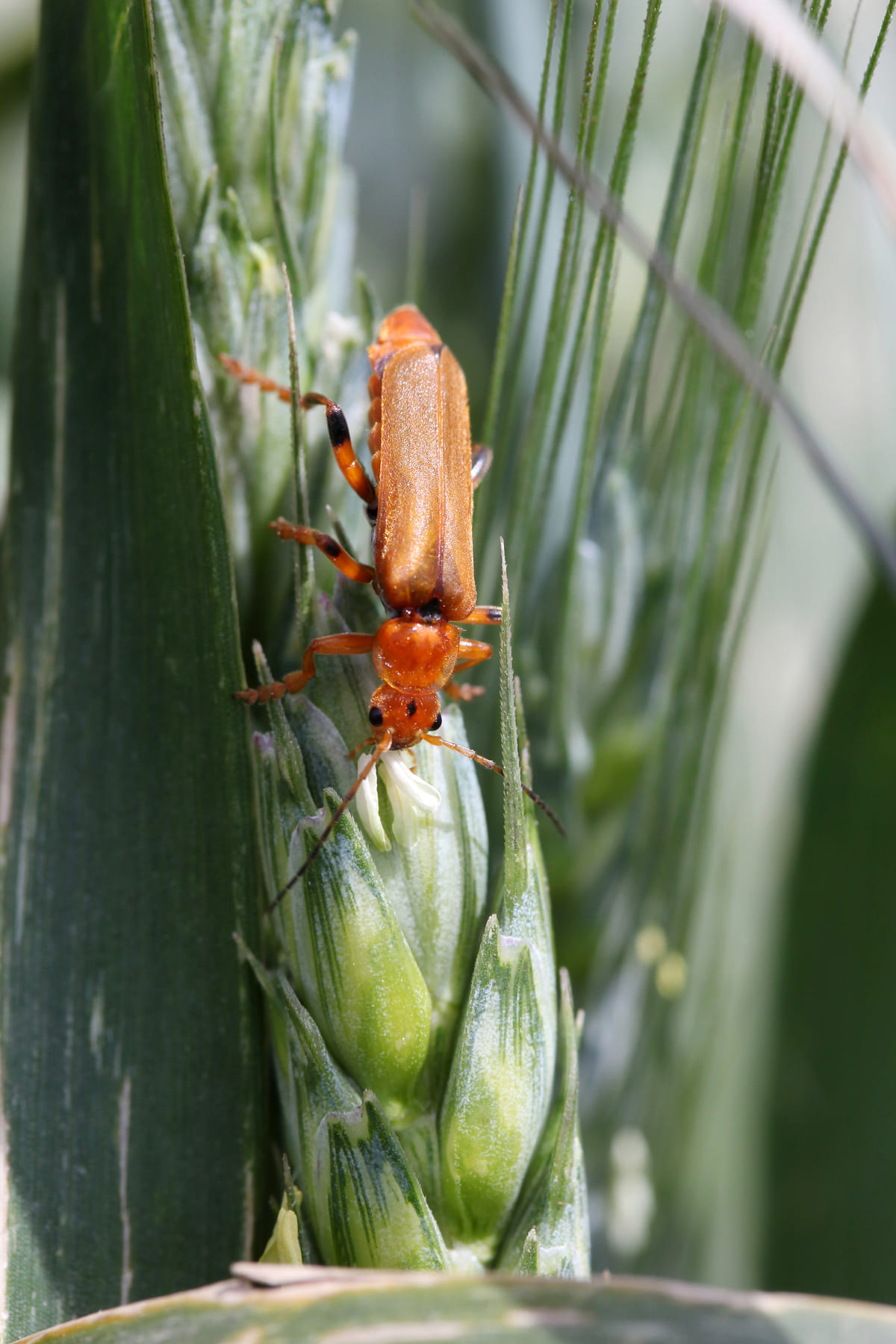
Biological Pest Control: An Advanced Strategy for Sustainable Agriculture
Biological pest control has become a key component of high-performance agricultural systems seeking to reduce chemical dependence without compromising productivity. Beneficial organisms and bio-inspired solutions enable precise regulation of pest populations while maintaining the balance of the agroecosystem.
At Econatur, this approach is integrated with our proprietary technologies and targeted formulations to optimise effectiveness in the field under different agronomic conditions. The result is more consistent control, with a lower risk of resistance, aligned with regulatory and market requirements for sustainable agriculture.
CONTACT US NOW
Biological Pest Control in Agricultural Crops: An Efficient, Sustainable and Profitable Solution
Biological pest control in agricultural crops has become one of the most effective strategies for protecting agricultural production without compromising the natural balance of the ecosystem. As sustainability and food safety become priorities, more farmers and businesses are choosing solutions based on plant biotechnology.
In this context, companies such as Econatur, recognised as a plant biotechnology company, lead the development of innovative solutions to tackle pests naturally, effectively and with respect for the environment.
What Is Biological Pest Control?
Biological control uses living organisms to reduce or eliminate pest populations affecting crops. Unlike traditional chemical methods, it uses natural relationships between species to restore ecological balance.
The main agents include:
- Natural predators: insects that feed on pests.
- Parasites that directly attack harmful organisms.
- Microorganisms such as specific bacteria, fungi or viruses.
This approach addresses the problem while helping prevent future infestations by maintaining a balanced ecosystem.
The Importance of Biological Control in Modern Agriculture
Agriculture faces increasingly complex challenges: restrictions on crop protection products, pest resistance to chemicals and growing demand for residue-free food.
Biological pest control in agricultural crops responds directly to these needs by offering:
- Cleaner, safer production.
- Reduced environmental impact.
- Compliance with European regulations.
- Improved soil quality and biodiversity.
Adopting these solutions is a strategic decision that supports the long-term viability of agricultural businesses.
Advantages of Biological Pest Control
Biological strategies offer clear benefits compared with conventional methods. Key advantages include:
- Environmental sustainability: reduced soil, water and air pollution.
- Food safety: fewer chemical residues in food.
- Long-term effectiveness: maintenance of the ecosystem’s natural balance.
- Resistance prevention: preventing pest adaptation of the kind associated with pesticides.
- Compatibility with organic farming: well suited to organic certification.
- Cost optimisation: reduced dependence on chemical products.
These advantages make biological control a key tool for more profitable, responsible farming.
Types of Biological Pest Control
1. Classical Biological Control
This involves introducing a pest’s natural enemies into a new environment where they do not occur naturally.
2. Conservation Biological Control
This focuses on protecting and encouraging beneficial organisms already present in the ecosystem.
3. Augmentative Biological Control
This involves releasing large numbers of beneficial organisms to strengthen their activity at critical times.
Each method can be applied according to the crop, pest and specific environmental conditions.
Biological Pest Control at a Glance
| Aspect | Description |
|---|---|
| Definition | The use of living organisms to control agricultural pests. |
| Objective | Reduce pest populations without harming the ecosystem. |
| Agents used | Predatory insects, parasites, bacteria and fungi. |
| Applications | Vegetable crops, fruit crops, field crops and organic farming. |
| Benefits | Sustainability, lasting effectiveness and food safety. |
| Limitations | Requires planning and technical expertise. |
Key Tips for Implementing Biological Control
Biological control requires more than releasing beneficial insects. It needs strategy, knowledge and follow-up. Use these tips to achieve the best results:
1. Identify the Pest Correctly
Before taking action, establish exactly which organism is affecting the crop. Incorrect identification can lead to ineffective solutions.
2. Assess the Crop Ecosystem
Analyse factors such as climate, biodiversity and the presence of natural enemies to choose the most suitable strategy.
3. Take Preventive Action
Biological control is most effective when applied before pests reach critical levels.
4. Combine Strategies
Integrate biological, cultural and physical methods to maximise results.
5. Monitor Continuously
Crop monitoring allows you to adjust actions and maintain effective control.
6. Work with Plant Biotechnology Experts
Specialists provide solutions tailored to each crop, optimising results and reducing risks.
Applications of Biological Control in Agricultural Crops
Biological pest control in agricultural crops can be used across a wide range of production systems:
- Vegetable crops: tomatoes, peppers and cucumbers.
- Fruit crops: citrus, apples and olives.
- Field crops: cereals, maize and soybeans.
- Organic farming: certified organic production.
Innovation in plant biotechnology now makes it possible to tailor solutions to individual crop types, increasing efficiency and reducing losses.
The Role of Plant Biotechnology in Pest Control
Plant biotechnology has transformed pest management. Specialist companies develop advanced solutions based on microorganisms, natural extracts and biostimulants.
This approach enables us to:
- Develop more targeted, effective products.
- Reduce environmental impact.
- Improve plants’ natural resistance.
The result is smarter agriculture in which innovation and nature work together.
Why Invest in Biological Control Today?
The future of agriculture depends on sustainable, efficient solutions that meet market requirements. Biological pest control in agricultural crops is a necessary evolution, rather than a passing trend.
Growers who adopt this approach protect their crops while also:
- Improving their market position.
- Increasing consumer confidence.
- Securing the sustainability of their production.
Conclusion: A Strategic Decision for Agricultural Success
Biological control offers a real opportunity to transform agriculture. Alongside pest control, it helps build a more balanced, profitable and sustainable production system.
Integrating plant biotechnology solutions helps growers anticipate industry challenges and establish a reputation for quality and environmental responsibility.
The future of agriculture is already here, and biological control is one of its key elements.
Frequently Asked Questions About Biological Pest Control in Agricultural Crops
Here are answers to common questions about biological pest control in agricultural crops, an increasingly popular strategy among growers seeking effectiveness, sustainability and profitability.
Is Biological Pest Control Really Effective Compared with Chemical Methods?
Yes. Biological pest control in agricultural crops has proved highly effective when applied correctly. Alongside controlling pests, it restores the natural balance of the ecosystem, reducing the likelihood of future infestations and preventing the development of resistance.
How Long Does Biological Control Take to Work?
The time required varies according to the pest, crop and environmental conditions. Biological control is particularly valued for its gradual, lasting effect, as beneficial organisms establish themselves in the crop and continue acting over time, providing sustained protection.
Is Biological Control Compatible with Organic Farming?
Yes. Biological pest control in agricultural crops is a major tool in organic farming because it uses natural organisms and sustainable methods. This makes it an ideal solution for growers seeking organic certification and aiming to offer food free from chemical residues.