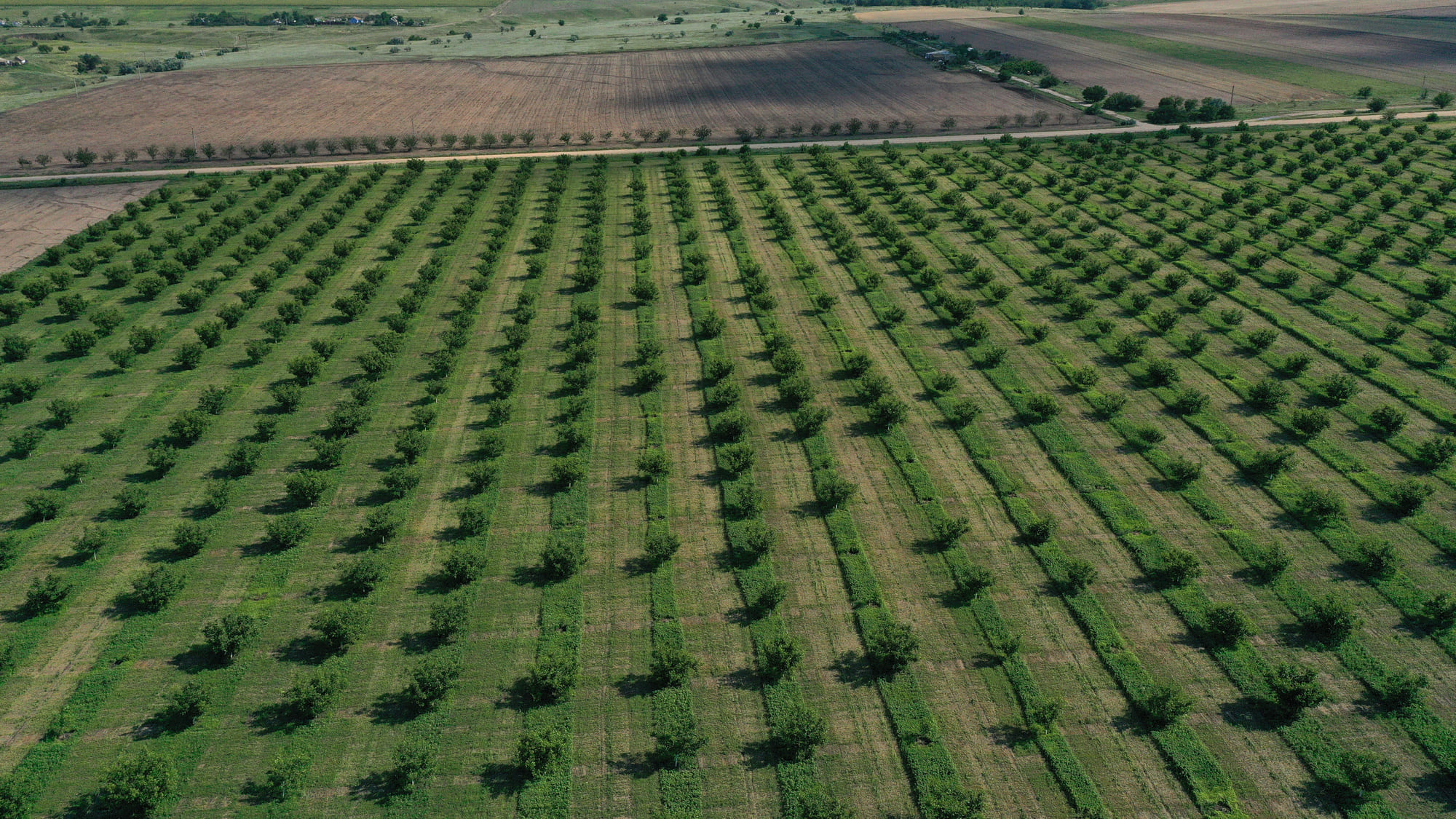
Agroforestry systems
Agroforestry systems intelligently integrate trees, crops and, in some cases, livestock, creating more balanced and resilient productive ecosystems. This combination improves soil fertility, optimises water use and increases biodiversity. From our perspective as a biotechnology company, we apply innovation, technical knowledge and sustainable solutions to help farmers and producers implement agroforestry models that are efficient, profitable and aligned with modern agriculture that respects the environment.
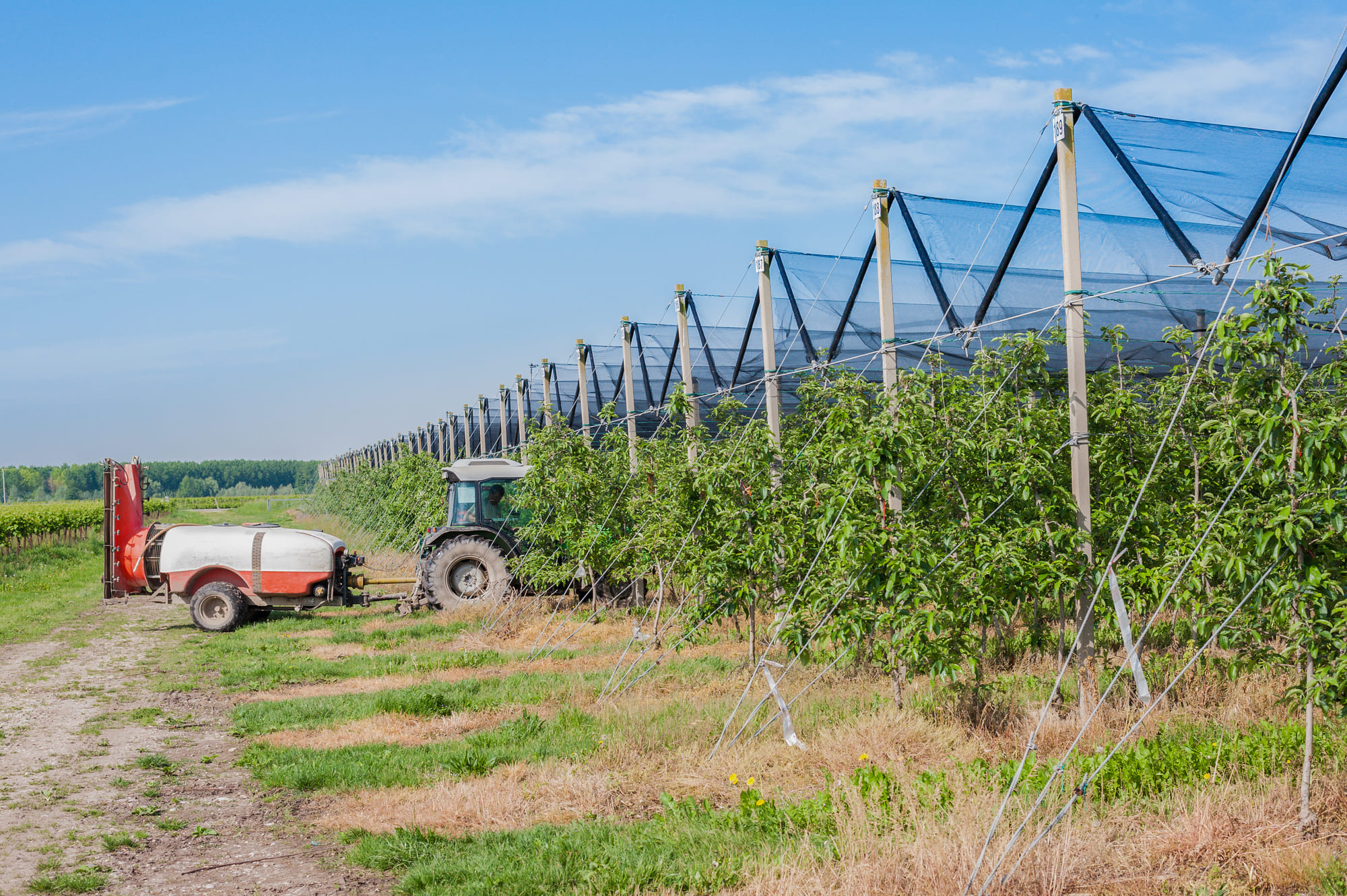
Agroforestry models for sustainable agriculture
Agroforestry models combine woody species and crops through strategic planning that makes better use of the land. This synergy favours soil conservation, reduces erosion and improves nutrient retention. At the same time, it creates more stable production systems that adapt better to changing climate conditions.
Applying these systems correctly requires technical knowledge, the right choice of species and efficient management over time. When agronomic criteria are combined with biotechnological innovation, it is possible to increase profitability without compromising the natural balance. The result is farms that are more productive, more sustainable and ready for the challenges of today’s agriculture.
CONTACT US NOW
Agroforestry systems – Comprehensive agroforestry solutions with Econatur
At Econatur we specialise in designing and implementing tailor-made agroforestry systems, combining the best of agriculture, forestry and sustainable soil management. Our service is aimed at agricultural businesses, rural landowners and ecological restoration projects seeking to maximise productivity, improve soil health and ensure long-term sustainability.
What are agroforestry systems?
Agroforestry systems (AFS) consist of the planned integration of trees, shrubs and agricultural crops —and in some cases livestock— on the same farm or plot. This model blends traditional agricultural production with forestry components, in a scheme that can be simultaneous (spatial) or sequential (temporal), to optimise land use in a sustainable way.
Agroforestry combines forestry and agricultural techniques to offer a more diverse, productive and environmentally friendly use of the land. Thanks to this synergy, AFS multiply the productive, ecological and social benefits within a single strategy.
Agroforestry models and system types
There are several ways to structure an agroforestry system, depending on the climate, the type of soil, the production goals and the type of farm. Below is an overview of some of the most common types:
| System type | Description | Typical applications |
|---|---|---|
| Silvopastoral systems | Combination of trees/shrubs with pasture and livestock. | Livestock farms seeking shade, fodder, timber and sustainability. |
| Silvoarable (agrosilvicultural) systems | Trees or shrubs associated with agricultural crops. | Plantations of nuts, fruit, spices, vegetables, etc. |
| Multistrata or multispecies systems | Diverse layers: tall trees, smaller fruit trees, shrubs, herbaceous crops, fodder. | Mixed and agroecological farms, restoration of degraded land. |
| Sequential or rotational systems | Alternating use over time of pasture, crops and trees, according to production phases. | Areas with crop rotation, soil recovery, sustainable use. |
| Urban or peri-urban systems | Integration of trees, shrubs and crops in urban or peri-urban settings. | Urban gardens, green corridors, sustainable local agriculture. |
Advantages of implementing agroforestry systems with Econatur
Adopting an agroforestry model with Econatur’s support offers multiple benefits, not only for your production but for the land and its surroundings. The main advantages include:
- Higher productivity and diversified income. By combining trees, crops and, where applicable, livestock, total output per unit of land usually exceeds that of each activity separately.
- Lower economic risk. Production diversification reduces dependence on a single crop or product.
- Better soil health and environmental conservation. Trees help fix nutrients, increase organic matter and conserve moisture.
- Conservation of biodiversity and ecosystem services. AFS create habitats for fauna and flora, improving the ecological quality of the surroundings.
- Climate resilience and long-term stability. They protect crops and soils from extreme events and promote sustainability.
- Fewer inputs and less external dependence. The need for chemical fertilisers is reduced and water use is optimised.
Environmental and ecosystem advantages
- Carbon sequestration and climate change mitigation: trees store carbon and reduce greenhouse gases.
- Improved biodiversity: they provide diverse habitats and promote natural pollination.
- Soil and water conservation: roots stabilise the ground and retain water in the subsoil.
Why choose Econatur as your agroforestry partner
As a plant biotechnology company, at Econatur we offer a technical, professional approach to designing and implementing agroforestry systems adapted to your particular needs. Our added value includes:
- Specialised advice.
- Sustainable planning.
- Comprehensive implementation.
- Maximised benefits.
- Long-term support.
How we work: our approach to setting up an AFS successfully
- Initial assessment: study of the land, climate and goals.
- Agroforestry system design: species selection and planning.
- Sustainable management plan: rotations, crop associations and conservation.
- Implementation and planting: land preparation and installation.
- Monitoring and maintenance: technical follow-up and agronomic control.
- Results evaluation: performance review and continuous improvement.
Overview: key services offered by Econatur
| Service | What it includes | Benefit |
|---|---|---|
| Agronomic diagnosis | Analysis of soil, climate and topography | Optimal system design |
| Tailor-made design | Species, associations and layout | High productivity and sustainability |
| Implementation | Planting and start-up | A technical, professional start |
| Maintenance | Natural fertilisation, pruning, rotation | Conservation of the system |
| Monitoring | Technical evaluation and follow-up | Continuous optimisation |
Key tips for a successful AFS
- Technical diagnosis of the land. The first step is always to assess soil, climate and topography.
- The right choice of species. Native trees and compatible crops maximise the benefits.
- Design with a long-term view. Performance improves progressively over time.
- Sustainable management. Agroecological techniques such as pruning, composting or green manures are key.
- Monitoring and adaptation. Adjusting the system as it evolves is essential for its success.
- Balance between productivity and ecology. The aim is to produce without exhausting the soil resource.
Conclusion: agroforestry as a path to a sustainable future
At Econatur we believe agroforestry systems are one of the smartest and most sustainable strategies for agricultural production and responsible land management. By combining productive efficiency, economic diversification and respect for the environment, our projects give producers, businesses and communities a solid solution for the present and the future.
Want to transform your farm with a more profitable and sustainable model? Trust Econatur. We support you from start to finish with tailor-made, technical, results-focused agroforestry solutions. Contact us today and take the first step towards sustainable production.
Frequently asked questions about agroforestry systems
If you are considering implementing agroforestry systems on your farm or agricultural project, it is normal to have questions. Below we answer the most common ones to help you make an informed decision.
Which crops can be combined in an agroforestry system?
An agroforestry system can integrate timber trees, fruit trees, shrubs, annual crops and even livestock, as long as there is proper planning. The key is to choose species that do not compete with each other for light, water or nutrients, and that bring mutual benefits to the system.
What maintenance does an agroforestry system need?
Agroforestry systems require constant technical management: tree pruning, pest monitoring, soil management, crop rotation and organic fertilisation. Although maintenance is more complex than for a monoculture, the long-term ecological and economic benefits are far greater.
What economic benefits does an agroforestry system offer?
One of the main benefits is income diversification: besides the main crop, you can sell forest products, fruit, firewood or fodder. It also reduces dependence on external inputs, improves climate resilience and increases long-term financial stability.