Plant propagation techniques

Plant propagation techniques
As a plant biotechnology company committed to sustainability, we rely on plant propagation techniques that boost productivity without compromising the natural balance. Our experience lets us offer innovative, environmentally friendly solutions, providing effective methods to multiply plant species in a healthy way. With us, you grow not just plants, but a more efficient, profitable farming model aligned with the principles of organic agriculture.
We develop strategies tailored to each type of crop, incorporating plant propagation techniques as the basis of smarter, more sustainable production. Our work focuses on offering biotechnological tools that optimise every phase of plant development, from root to harvest. Find out how our solutions help you improve the quality and yield of your crops, while caring for the environment and staying ahead of the sector’s challenges.
CONTACT US NOW
Plant propagation techniques: optimise your agricultural production
In today’s agricultural world, characterised by growing demand for food and the urgent need for sustainability, mastering plant propagation techniques has become a key skill for farmers, nursery growers and agro-industrial producers. These techniques are not only an essential tool to maximise crop productivity, but also an effective strategy to preserve valuable plant varieties, many of which are at risk of disappearing due to causes such as climate change, biodiversity loss and urban expansion.
Understanding and correctly applying propagation methods makes it possible to reproduce plant species in a controlled, efficient way, whether for commercial, conservation or experimental purposes. It also ensures that the new plants keep consistent genetic traits, such as pest resistance, high yield or tolerance to adverse weather, which results in more uniform, better-quality harvests.
This knowledge is also essential to reduce production costs, shorten growing cycles and adapt quickly to market demands. In short, plant propagation techniques are an indispensable foundation for modern, resilient and profitable agriculture.
What is plant propagation?
Plant propagation is the process by which new plants are produced by different methods. There are two main types:
- Sexual propagation: done through seeds, resulting in genetically diverse plants.
- Asexual or vegetative propagation: uses parts of the mother plant (stems, leaves, roots) to create genetically identical clones.
Both methods have specific applications in agriculture, depending on the goals of the crop.
Advantages of propagation techniques in agriculture
Implementing suitable propagation techniques offers multiple benefits:
- Crop uniformity: especially with asexual propagation, plants with homogeneous traits are obtained.
- Variety conservation: it allows species with desirable attributes to be maintained and multiplied.
- Faster production: some techniques reduce the time plants need to reach maturity.
- Adaptability: it eases the adaptation of crops to different climate and soil conditions.
Efficient methods for propagating plants in agriculture
Below are the most effective plant propagation techniques in agricultural settings:
1. Propagation by seed
This is the most traditional method and consists of sowing seeds to obtain new plants. Although it generates genetic variability, it is ideal for crops that need adaptability and disease resistance.
2. Cuttings
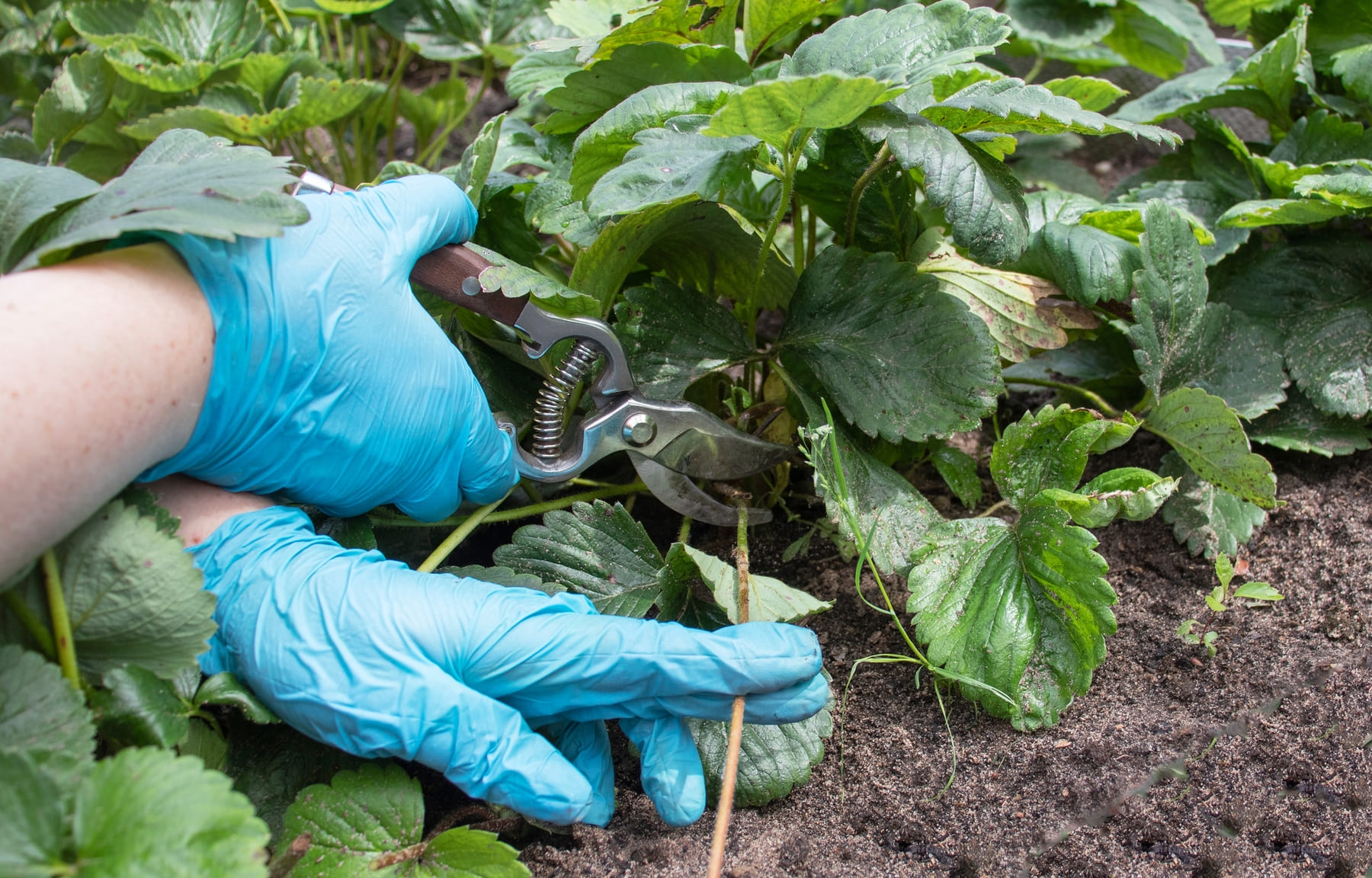
It consists of cutting a part of the plant (usually a stem) and planting it so that it develops roots. It is a fast, effective technique for reproducing woody and herbaceous plants.
3. Grafting
Two different plants are joined so that they grow as one. This technique is common in fruit trees and lets you combine the best traits of both plants, such as resistance and fruit quality.
4. Layering
It involves bending a branch of the mother plant to the ground and covering it with soil so that it develops roots. Once rooted, it is separated from the original plant. It is useful for climbing plants and shrubs.
5. Division
A mother plant is divided into several parts, each with roots and shoots, to obtain new plants. It is common in perennial and ornamental plants.
6. In vitro culture
Also known as micropropagation, it is carried out under laboratory conditions and allows the mass production of disease-free plants. It is ideal for species of high commercial value.
Effective schedule of propagation techniques
Properly planning propagation activities is crucial for agricultural success. Below is a general schedule:
| Month | Activity |
|---|---|
| January – February | Preparing seedbeds and selecting mother plants. |
| March – April | Sowing seeds and taking cuttings. |
| May – June | Grafting and layering in the field. |
| July – August | Monitoring and maintenance of propagated plants. |
| September – October | Division and preparation for transplanting. |
| November – December | Evaluating results and planning for the next cycle. |
Tips for successful propagation
- Careful selection: choose healthy, disease-free mother plants.
- Optimal conditions: make sure the environment (light, humidity, temperature) suits each technique.
- Clean tools: use sterilised tools to avoid spreading pathogens.
- Constant monitoring: regularly check the progress of the propagated plants and make adjustments as needed.
Conclusion on plant propagation techniques in agriculture
Mastering plant propagation techniques is fundamental for any farmer who wants to optimise production and guarantee crop quality. By implementing these methods strategically and with planning, significant results can be achieved in terms of yield and sustainability.
If you want to go deeper into these techniques and adapt them to your specific needs, do not hesitate to consult agricultural experts or take part in specialised workshops.
Frequently asked questions about plant propagation techniques
When implementing plant propagation techniques in agriculture, common questions arise that are important to settle to ensure the process succeeds. Below we answer some of the most frequent ones that can help you make better decisions for your crops.
What is the difference between sexual and asexual propagation?
Sexual propagation is done through seeds and produces plants with genetic variability, which can be useful for adapting to different conditions. On the other hand, asexual or vegetative propagation uses parts of the mother plant (such as stems or roots) to obtain genetically identical plants, which guarantees crop uniformity.
Which factors influence the success of plant propagation?
The main factors are the health of the mother plant, environmental conditions (light, humidity, temperature), the use of suitable tools and the correct application of the chosen technique. It is also crucial to keep constant follow-up during rooting and growth.
Which propagation technique is most recommended for commercial use?
It depends on the type of plant and the production goal, but in general, techniques such as in vitro culture or propagation by cuttings are highly recommended for commercial use. They allow fast, controlled reproduction, in many cases disease-free, which improves crop profitability and quality.