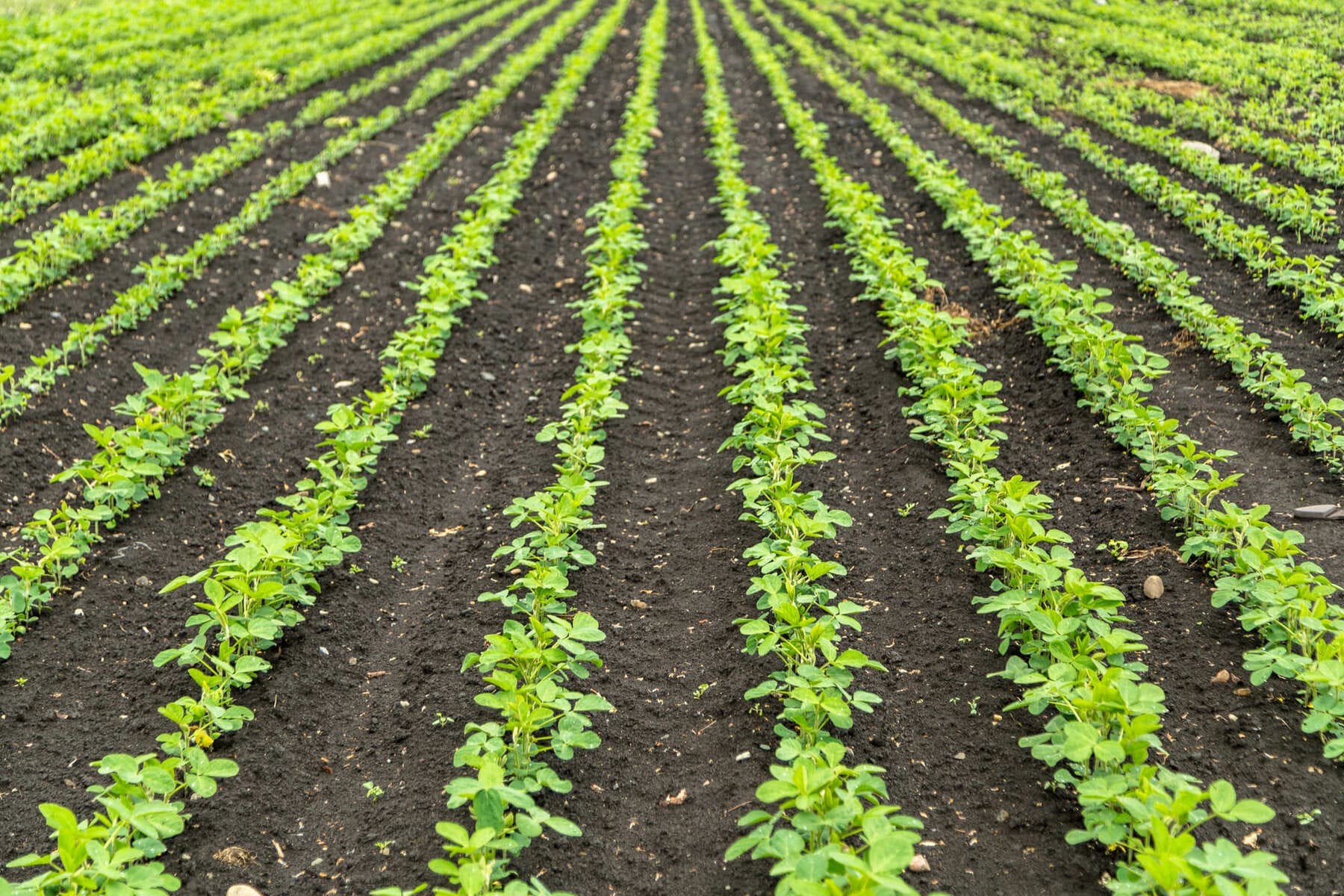
Crop pruning techniques
Pruning is a fundamental technique for guiding crop development correctly, improving its structure, promoting air circulation and increasing harvest quality. From our experience as a biotechnology company, we apply knowledge, innovation and sustainable solutions so that every intervention has a real impact on the health, productivity and profitability of your crops in the medium and long term.

The importance of proper pruning in crop development
Well-executed pruning directs plant growth, optimises light penetration and improves the internal ventilation of the crop. This results in more balanced development, greater resistance to pests and more uniform production. Applying the right technique at the right time is key to getting real results.
Each type of crop requires a specific approach, taking into account its physiology, growth cycle and production goals. A tailored pruning strategy not only improves yield, but also reduces plant stress and favours natural regeneration. When technique, experience and biotechnological support are combined, the impact in the field is clearly greater.
CONTACT US NOW
Pruning techniques for crops – Professional service from Econatur
At Econatur we offer a professional service in crop pruning techniques aimed at maximising the health, productivity and quality of your plants. With a technical-scientific approach and long experience in plant biotechnology, we help farmers, fruit and vegetable companies and farm owners get the most out of their crops through precise, safe pruning adapted to each species.
What are crop pruning techniques?
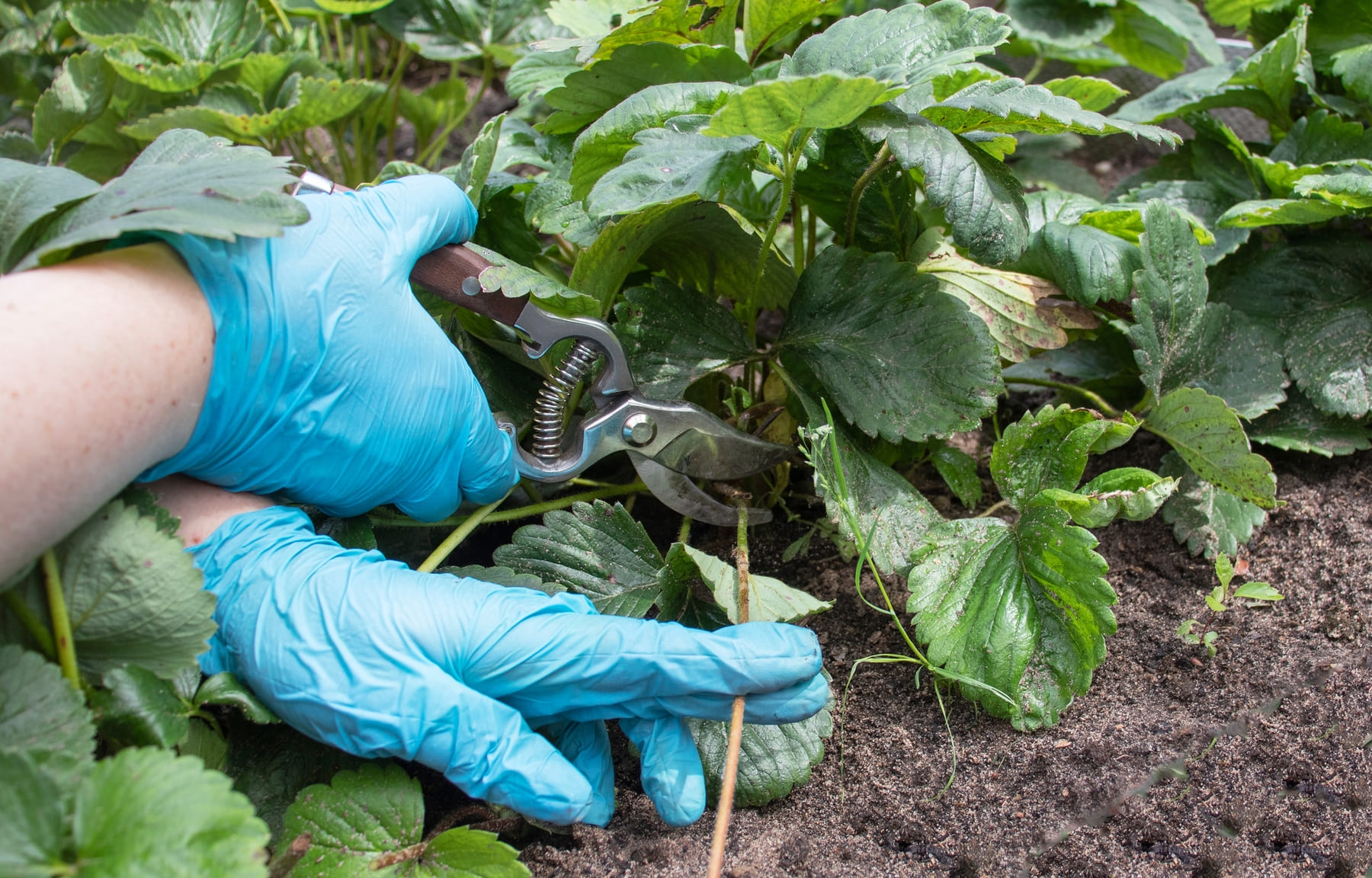
Pruning in crops is an agricultural practice consisting of the selective removal of parts of the plant —branches, shoots, leaves or vine canes— for a specific purpose. This is not just cosmetic: when done with botanical judgement and following good agronomic practice, it helps improve plant health, optimise the plant’s structure and boost its production.
Depending on the goal, different crop pruning techniques are used; each technique is adapted to the plant, its age, its vegetative state and the desired result.
Main crop pruning techniques
- Cleaning pruning: removal of dead, diseased, damaged or weak branches, to prevent the spread of disease and improve the overall health of the crop.
- Formative pruning: carried out when the plant is young, to direct its growth, form a suitable structure and ease its future development.
- Thinning: removing excessive or congested branches or shoots to improve light and air penetration, which benefits flowering and fruit.
- Fruiting pruning: applied to fruit-bearing plants; it helps redirect sap to productive branches, improve fruit quality and increase yield.
- Rejuvenation / renewal pruning: in mature or ageing plants, old branches are removed to stimulate new, vigorous growth.
- Green pruning (or summer pruning): carried out during vegetative growth, to remove unproductive shoots, regulate vigour and improve ventilation and fruit quality.
Overview: crop pruning techniques
| Technique | Purpose / When to apply it | Main benefits |
|---|---|---|
| Cleaning pruning | At any time, whenever there are dead, diseased or damaged branches | Improves plant health, prevents pests and diseases |
| Formative pruning | On young plants (early growth stages) | Gives a balanced structure and optimal development |
| Thinning | Before flowering or fruit set | Increases ventilation and light, improves fruit quality and quantity |
| Fruiting pruning | On productive trees or plants | Favours production, improves fruit size and quality |
| Rejuvenation pruning | Mature or ageing plants | Stimulates new shoots, renewed vigour |
| Green pruning | During vegetative growth (spring/summer) | Regulates vigour, allows better ventilation and healthy fruit set |
Advantages of implementing crop pruning techniques
Correctly applying crop pruning techniques brings many advantages, including:
- Improved plant health: by removing diseased or dead parts, the risk of pests, fungi and diseases is reduced.
- Higher productivity: sap is redirected to productive branches, favouring more flowering and fruit set.
- Better fruit or harvest quality: larger, healthier and more uniform fruit thanks to better ventilation, light and resource distribution.
- Structural balance: rational formation of the plant, making it easier to manage, harvest and maintain in the long term.
- Optimised use of resources: by directing nutrients and sap to productive areas, the crop’s efficiency in water, fertilisers and plant energy improves.
- Crop longevity: by avoiding overload, structural damage or excessive exhaustion, plants keep their vigour and production for more years.
Why trust Econatur for your agricultural pruning?
As a company specialising in plant biotechnology, at Econatur we combine agronomic and phytosanitary knowledge with advanced techniques to offer a professional pruning service, tailored to the crop type, its stage of development and each client’s specific needs. Our approach is based on:
- Detailed analysis of the crop’s vegetative and structural condition.
- Selecting the right pruning technique to maximise health and productivity.
- Planning a pruning calendar adapted to vegetative cycles and local weather.
- Using professional tools and safe practices that guarantee clean cuts and optimal healing.
- Technical support and advice to optimise your agricultural production in the long term.
Essential checklist before pruning
- Assess the health of the crop: detect dead, diseased or damaged branches.
- Identify the plant’s stage of development: young, in production or mature.
- Choose the right pruning technique (cleaning, formative, thinning, fruiting, rejuvenation, green pruning).
- Check the optimal time for pruning according to species and vegetative cycle.
- Use well-sharpened tools suited to the thickness of the branches.
- Do not remove more than 25-30% of the canopy in a single intervention (to avoid over-stressing the plant).
- Make clean, safe cuts, avoiding excessive damage to bark or trunk.
- Plan post-pruning follow-up: check healing, new shoots and possible signs of stress or disease.
How we plan pruning for your crops with Econatur
The crop pruning techniques service we offer at Econatur is structured as follows:
- Initial inspection: diagnosis of the crop’s health and structural condition.
- Defining the objective: health, early formation, fruit production, rejuvenation… according to your needs.
- Drawing up the pruning plan: recommended technique, calendar, intensity and frequency.
- Professional execution: with specialised tools and qualified technical staff.
- Follow-up and ongoing advice: we monitor post-pruning development and adjust future interventions if necessary.
Maximise your crops with professional pruning
Correctly implementing crop pruning techniques can make the difference between a crop with irregular production, low-quality fruit and recurring problems, and a healthy, balanced and highly productive one. With Econatur you will have the technical backing and experience needed to optimise your plants, extend their productive life and obtain more abundant, better-quality harvests.
Want professional advice or to hire a specialised pruning service? Contact Econatur today and start transforming your crops with suitable, personalised pruning techniques.
Frequently asked questions about crop pruning techniques
We understand that correctly applying crop pruning techniques can raise questions, especially when you want to optimise plant yield and health. Below we answer the most common queries we receive from farmers, technicians and companies in the sector.
What is the best time to apply crop pruning techniques?
The ideal time to prune depends on the type of crop and the purpose of the pruning. In general, formative and cleaning pruning is done in winter, when the plant is dormant, while green pruning is carried out in spring or summer, during the growth phase. Adapting the calendar to each species’ life cycle is key to good results.
Is it necessary to prune every year?
In most crops, yes. Well-planned annual pruning helps maintain the vegetative-productive balance, avoids the build-up of unproductive wood and allows the plant to be renewed continuously. However, the intensity and type of pruning may vary from year to year, depending on the condition of the crop.
What mistakes should be avoided when pruning?
The most common mistakes include pruning at the wrong time, removing more branches than necessary, using tools that have not been disinfected, and making badly angled cuts that hinder healing. At Econatur, as experts in plant biotechnology, we always recommend applying pruning techniques with technical judgement and prior planning, to protect the health of the crop and maximise its productivity.