Managing eroded soils

Managing eroded soils
Econatur, your ally in plant biotechnology, specialises in the management of eroded soils, turning degraded land into sources of life and productivity. Our advanced methods ensure sustainable, effective recovery, significantly improving the health and yield of your crops. Trust Econatur to revitalise your soil with science and nature. Act today for a greener tomorrow!
Continue your commitment to sustainability by choosing Econatur for the management of eroded soils. Our integrated approach not only restores soil fertility, but also protects the ecosystem and promotes biodiversity. With cutting-edge technology and ecological practices, Econatur is your definitive solution for healthier, more productive land. Join us and watch your land thrive!
CONTACT US NOW
Techniques for managing eroded soils
Soil erosion is a significant challenge in agriculture and environmental management. This process involves the loss of the topsoil due to factors such as water and wind, which reduces fertility and negatively affects agricultural productivity. Implementing effective techniques for managing eroded soils is essential to conserve this vital resource and guarantee the sustainability of ecosystems.
The importance of managing eroded soils
Soil degradation affects approximately 40% of the world’s land, putting food security and biodiversity at risk. The loss of fertile soil not only reduces the productive capacity of agricultural land, but also contributes to natural disasters such as floods and landslides. Adopting suitable management practices is therefore crucial to mitigate these effects and promote sustainable land use.
Main techniques for managing eroded soils
No-till sowing
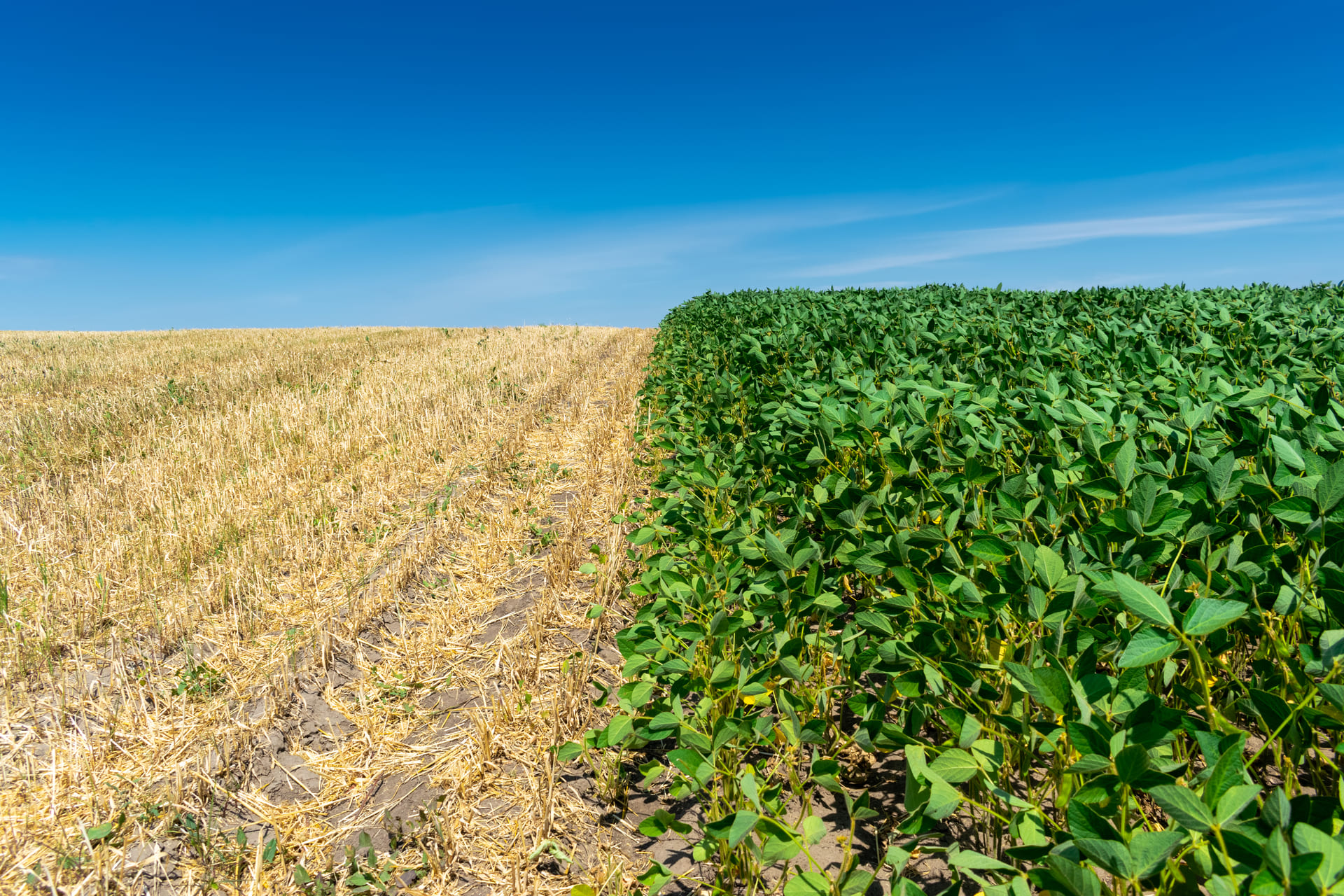
No-till sowing is a technique that avoids tilling the soil, allowing crops to be sown directly into the residue of previous harvests. This practice preserves soil structure, reduces erosion and improves moisture retention. In addition, by maintaining constant cover, the soil is protected from the erosive effects of wind and rain. Research has shown that no-till sowing can reduce soil erosion by more than 90%.
Crop rotation
Crop rotation involves alternating different plant species on the same land over the seasons. This practice improves soil structure, increases fertility and reduces the incidence of pests and diseases. By diversifying crops, constant plant cover is promoted, reducing erosion and improving overall soil health.
Cover crops
Cover crops are plants sown specifically to protect and enrich the soil between main crop cycles. These plants prevent erosion by covering the soil, improve water infiltration and add organic matter as they decompose. Their use can also suppress weed growth and improve the biodiversity of the agricultural ecosystem.
Terraces
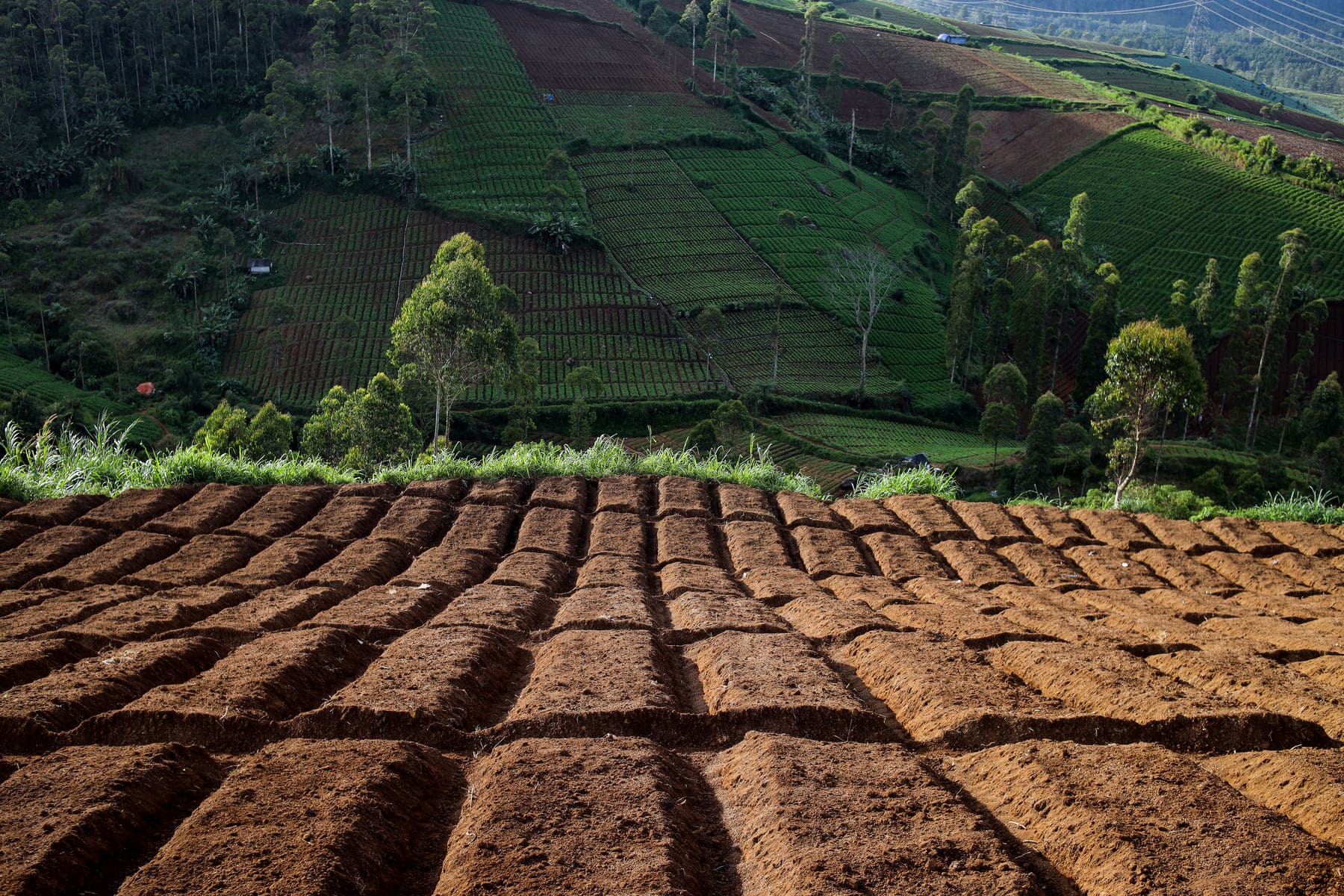
Building terraces on sloping land is an effective technique for reducing water erosion. Terraces act as barriers that slow down runoff, making it easier to infiltrate and reducing soil loss. This practice has been used for centuries in various farming cultures to conserve soil and water in mountainous areas.
Windbreaks
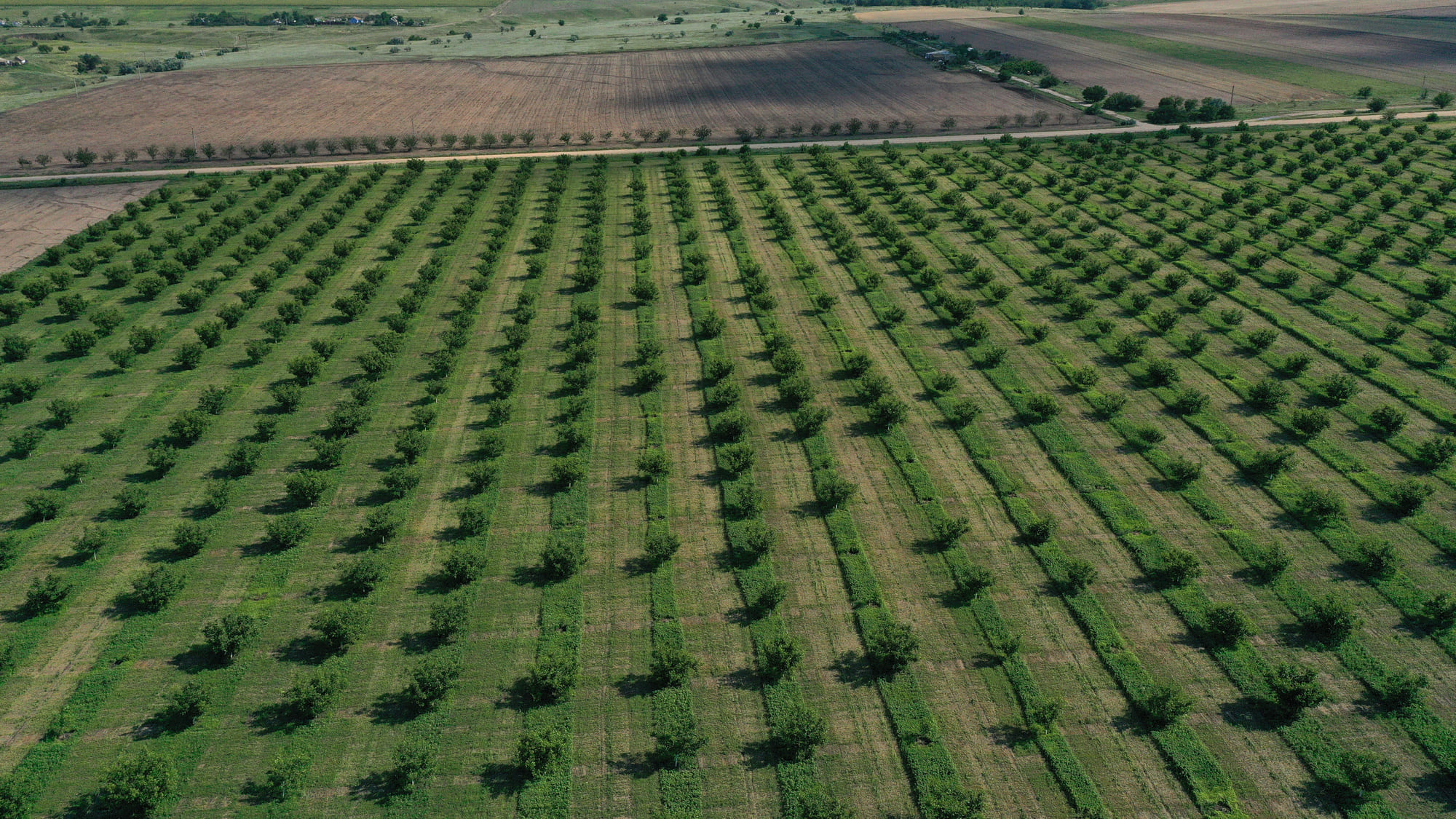
Windbreaks consist of planting rows of trees or shrubs to reduce wind speed over the soil surface. This natural barrier reduces wind erosion and protects crops from mechanical damage. Windbreaks also contribute to biodiversity and can serve as habitat for various species.
Mulching
Mulching involves covering the soil with organic materials such as straw, pruning residues or compost. This protective layer conserves soil moisture, regulates its temperature, reduces erosion and suppresses weed growth. It is a sustainable, economical technique that improves soil quality and promotes a favourable environment for crop development.
Advantages of our eroded soil management services
At Econatur, we specialise in offering biotechnological solutions for the sustainable management of eroded soils. Our services stand out for:
- Integrated approach: we combine scientific knowledge with innovative practices to tackle erosion from multiple perspectives.
- Ecological products: we develop biostimulants and biocontrol agents from botanical extracts and beneficial microorganisms that improve soil health without negatively impacting the environment.
- Personalised advice: we offer consultancy adapted to each client’s specific needs, designing effective strategies for the conservation and recovery of their soils.
- Constant innovation: we invest in research and development to provide cutting-edge solutions that respond to today’s soil erosion challenges.
Practical tips for managing eroded soils
To complement our solutions, we recommend the following practices:
-
-
- Land assessment: before implementing any technique, it is essential to analyse the specific characteristics of the soil and the degree of erosion in order to select the most suitable strategies.
- Maintaining plant cover: avoid leaving the soil bare, especially during periods of heavy rain, to reduce water erosion.
- Implementing natural barriers: use live hedges, vegetation strips or barriers of organic residues to slow down water and wind over the soil.
- Use of organic matter: add compost, manure or biofertilisers to improve soil structure and fertility, promoting its regeneration.
- Monitoring and adjusting strategies: periodically evaluate the results of the techniques implemented and make adjustments as needed to optimise their effectiveness.
-
Why choose Econatur for managing eroded soils?
At Econatur, we understand the importance of preserving soil health to guarantee agricultural and environmental sustainability. Our approach is based on:
-
-
- Commitment to sustainability: we design environmentally friendly solutions that restore soil fertility without causing negative impacts.
- Experience and professionalism: we have a team of specialists in agronomy, biotechnology and soil management with a long track record in the sector.
- Proven results: we have helped numerous farmers and companies recover their eroded soils, increasing their productivity and reducing costs in the long term.
- Innovation and technology: we apply the latest advances in bioengineering to offer efficient solutions adapted to the current needs of the agro-industrial sector.
-
Request advice on managing eroded soils
If you are looking for effective techniques for managing eroded soils, at Econatur we are ready to help. Contact us to receive personalised advice and find out how we can improve the quality of your soils through innovative, sustainable solutions.
Recover your soil’s fertility and optimise its productivity with our specialised solutions!
Frequently asked questions about techniques for managing eroded soils
Managing eroded soils is key to conserving the fertility and productivity of the land. Below we answer some of the most common questions about best practices for preventing and reversing soil erosion.
What are the most effective techniques for managing eroded soils?
Some of the most effective techniques include no-till sowing, crop rotation, the use of cover crops, building terraces and implementing mulching. These strategies help reduce erosion, improve soil structure and conserve moisture.
Why is it important to apply techniques for managing eroded soils?
Soil is a fundamental resource for agricultural production and environmental stability. Applying suitable techniques prevents the loss of fertile soil, avoids ecosystem degradation and improves the productivity of the land in the long term.
How do I choose the best technique for my land?
The choice of technique depends on the soil type, the degree of erosion and the climate conditions of the area. It is advisable to carry out a soil analysis and get expert advice to determine the most suitable strategy.