Crop rotation systems
Smart crop rotation systems: transform your agroecosystem with Econatur’s biotechnological solutions to regenerate soils, break pest cycles and ensure healthier, more sustainable crops.
Crop rotation systems
Crop rotation systems are an essential agricultural practice for maintaining soil fertility and ensuring more balanced production. Alternating species on the same land breaks pest and disease cycles, reduces nutrient depletion and improves soil structure. It also supports the natural balance of the ecosystem, avoiding excessive dependence on chemical fertilisers and pesticides.
At Econatur we boost crop rotation with sustainable biotechnological solutions that help maximise the benefits of this age-old technique. Our proposals deliver healthier, more efficient and more environmentally friendly harvests, giving farmers a profitable production model aligned with today’s demands for sustainability and food security.
CONTACT US NOW
Crop rotation systems: innovation and sustainability for your farm
At Econatur, a plant biotechnology company dedicated to strengthening agricultural systems, we present crop rotation systems: a science-based strategy that improves soil health, boosts yields and contributes to truly sustainable agriculture.
What is a crop rotation system?
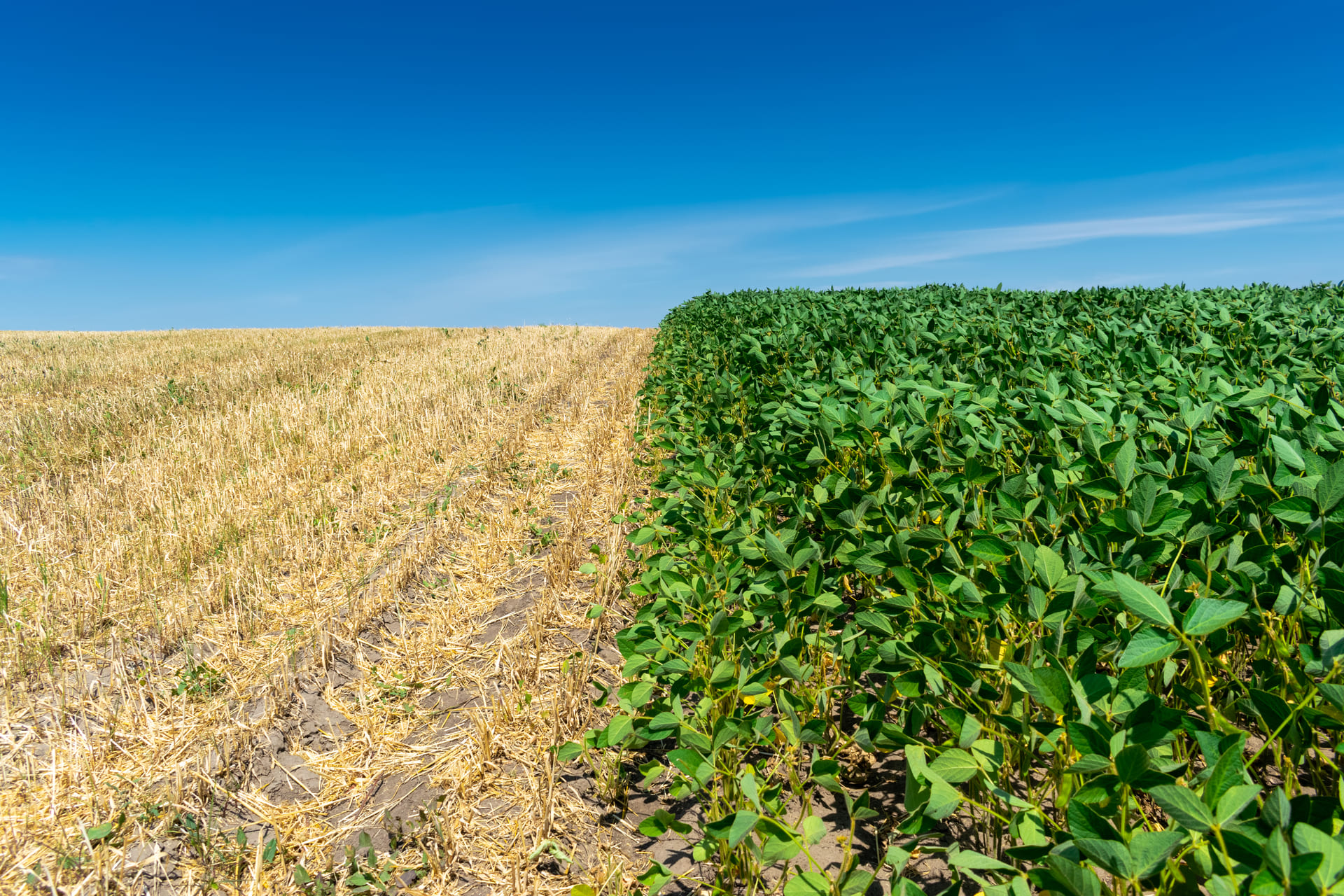
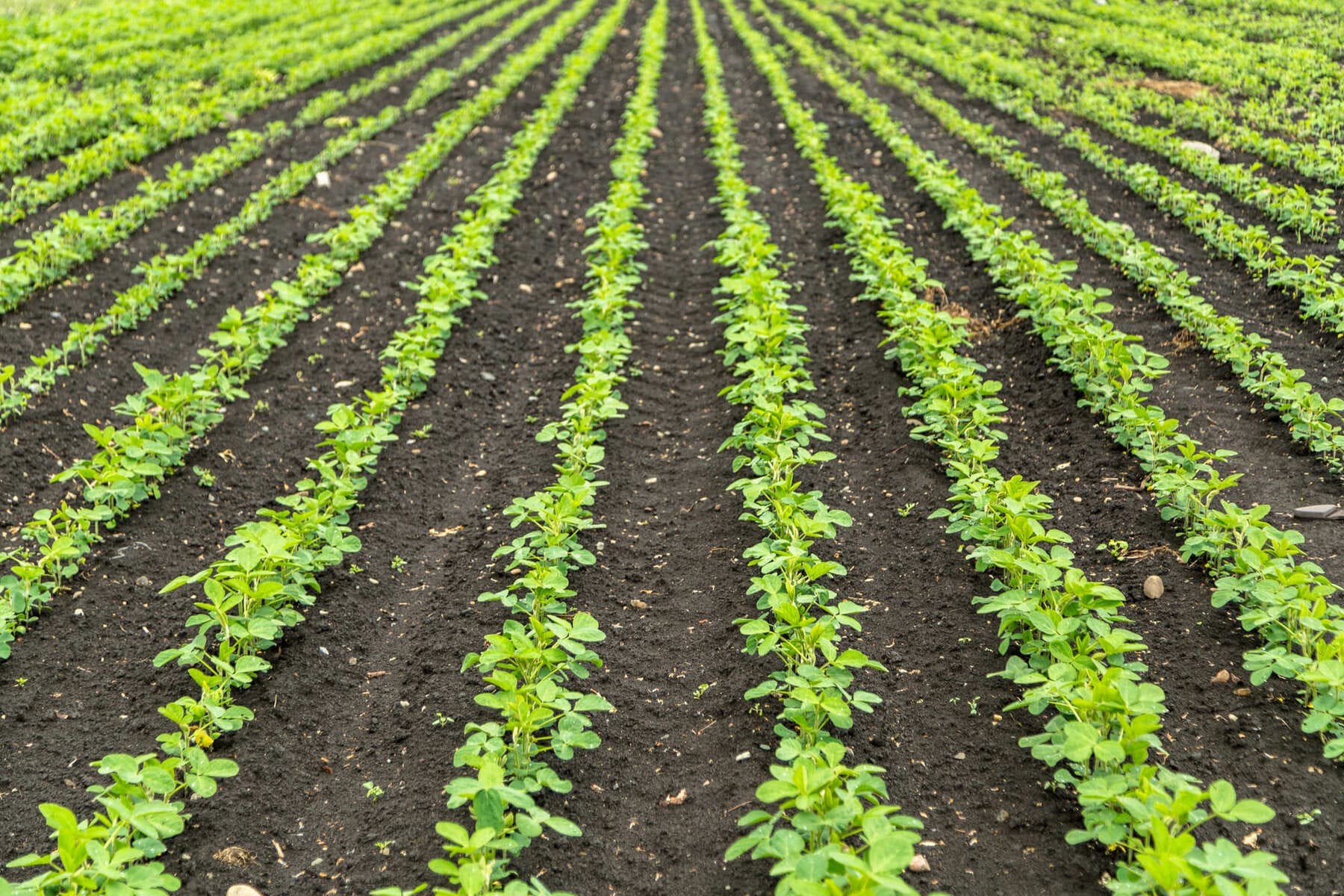
Crop rotation systems consist of alternating different crops —preferably from different botanical families— on the same plot over several growing cycles. This practice prevents soil depletion and the persistent development of specific pests or diseases.
For example, after planting potato (a Solanaceae), it should not be repeated within the same cycle; it is better to follow it with legumes, root vegetables or cereals, according to smart planning.
Advantages of implementing crop rotation systems
- Improved soil fertility: different crops replenish nutrients with different requirements, avoiding wear and improving natural nutrition.
- Fewer pests and diseases: by interrupting the cycle of their hosts, incidence is reduced without resorting to chemicals.
- Natural weed control: alternation makes it harder for weeds adapted to repeated crops to establish.
- Better soil structure and water retention: alternating deep roots favour aeration, infiltration and water conservation.
- Erosion prevention: surface residues protect the ground from wind and rain.
- Less dependence on synthetic inputs: fertilisers and pesticides are reduced thanks to the soil’s ecosystem services.
- Greater agroecosystem biodiversity: it favours beneficial fauna and microorganisms, increasing agronomic resilience.
- Higher yields and economic resilience: rotation improves yields and spreads risk, which increases profitability in the long term.
- Carbon sequestration and climate mitigation: it increases organic matter and the capacity to store carbon.
Keys to crop rotation systems
| Aspect | Description |
|---|---|
| Diversified rotation | Alternating at least three different crops to maximise agronomic benefits and avoid soil depletion. |
| Strategic legumes | They add nitrogen to the soil through biological fixation, strengthening natural fertility. |
| Deep-rooted crops | They break up compaction and improve porosity and drainage — for example turnip, barley. |
| Cover crops or green manures | They protect fallow soil, prevent erosion and provide organic biomass. |
| Time planning | Mapping zones and crop families and rotating every 3–4 years interrupts pests efficiently. |
| Classic Norfolk system | Traditional four-year rotation: wheat → turnip → barley → alfalfa. It increases productivity without fallow. |
Essentials for implementing crop rotation systems
- ☐ Carry out a soil analysis (pH, organic matter, nutrients).
- ☐ Define separate zones or beds according to crop types.
- ☐ Group crops by family (e.g. Solanaceae, legumes, Apiaceae…).
- ☐ Draw up a rotation calendar for at least 3–4 years.
- ☐ Introduce legumes and green manures between demanding cycles.
- ☐ Monitor the presence of pests, diseases or weeds.
- ☐ Adjust planning according to results and soil health.
- ☐ Keep a graphic record of the rotation for follow-up (maps, photos, records).
Advantages of knowing and applying crop rotation systems well
Mastering these systems gives you:
- Strategic knowledge: it lets you plan crops intelligently and sustainably.
- Lower costs: fewer fertilisers and pesticides, greater agronomic self-sufficiency.
- Better results: better harvests and living soil boost your production.
- Trust and reputation: you project a professional, committed, science-based image.
- Positive impact: you contribute to regenerative agriculture that respects the environment.
Why choose Econatur to boost your crop rotation systems
At Econatur, a plant biotechnology company, we put at your disposal advanced technical knowledge, personalised support and practical solutions based on modern science. We focus on sustainable, reliable results, backed by our experience in soil regeneration and agricultural performance.
Find out how our rotation systems can transform your productivity without compromising the ecological balance. Applied science at your service, with a view to the future.
Crop rotation systems are a powerful tool for achieving robust, profitable and sustainable agriculture. If you are looking to innovate, look after your soil and optimise your yields, you are on the right track.
Don’t let fertility run out or let pests settle in your field. Trust Econatur: together we cultivate the future, science and abundance.
Frequently asked questions about crop rotation systems
If you are considering implementing crop rotation systems on your farm, it is normal to have questions. Below we answer the most common ones to help you make informed, efficient decisions.
How long should a crop rotation cycle last?
Ideally a rotation cycle lasts between 3 and 5 years, depending on the type of crops, the soil and climate conditions. This duration allows pest and disease cycles to be interrupted, fertility to improve and the balance of the soil ecosystem to be maintained.
Can I rotate crops if I have little land?
Yes, crop rotation can be applied strategically even on small plots. What matters is to plan the crop sequence according to botanical families, nutritional needs and benefits to the soil. In small spaces, a well-thought-out rotation is even more crucial to avoid exhausting the land.
Which crops are best to start a rotation with?
A good practice is to start with legumes such as beans, broad beans or lentils, since they fix nitrogen in the soil. You can then alternate with cereals such as wheat or oats, and then with root vegetables such as carrot or beetroot. The key is to vary root types, families and nutritional demands.