Weed control techniques

Weed control techniques
Weed control techniques like the ones we apply at Econatur keep crops healthy, productive and free from unwanted competition. Our approach combines natural, sustainable and highly effective solutions that respect the balance of the ecosystem, caring for both the soil and the environment.
At Econatur we develop personalised strategies for each type of crop, using products of natural origin that guarantee effective weed control without harming biodiversity. We are committed to responsible agriculture, where every technique is designed to optimise the farmer’s yield and promote clean, profitable production.
CONTACT US NOW
Weed control techniques: efficient solutions for sustainable agriculture
Weed control is an essential practice for maintaining crop productivity and health. Weed control techniques not only reduce competition for nutrients, water and light, but also help minimise the use of agrochemicals and improve the biodiversity of the agroecosystem. On this page we explain the best ways to manage weeds in your crops, their benefits, and how Econatur, the plant biotechnology company, can help you implement sustainable, effective solutions.
Why is weed control important?
Weeds compete directly with crops for essential resources, reducing agricultural yield and affecting the quality of the final product. Some species can also host pests and diseases that harm crop development.
Implementing suitable weed control techniques allows you to:
- Increase crop productivity.
- Reduce the need for chemical herbicides.
- Encourage more ecological, synergistic agriculture.
- Protect the soil and conserve biodiversity.
Most widely used weed control techniques
There are different methods to control weeds, and the choice will depend on the type of crop, the climate, the soil and the farmer’s goals. Below we detail the most effective weed control techniques, many of which are part of the integrated approach promoted by Econatur, the plant biotechnology company.
1. Mechanical weed control
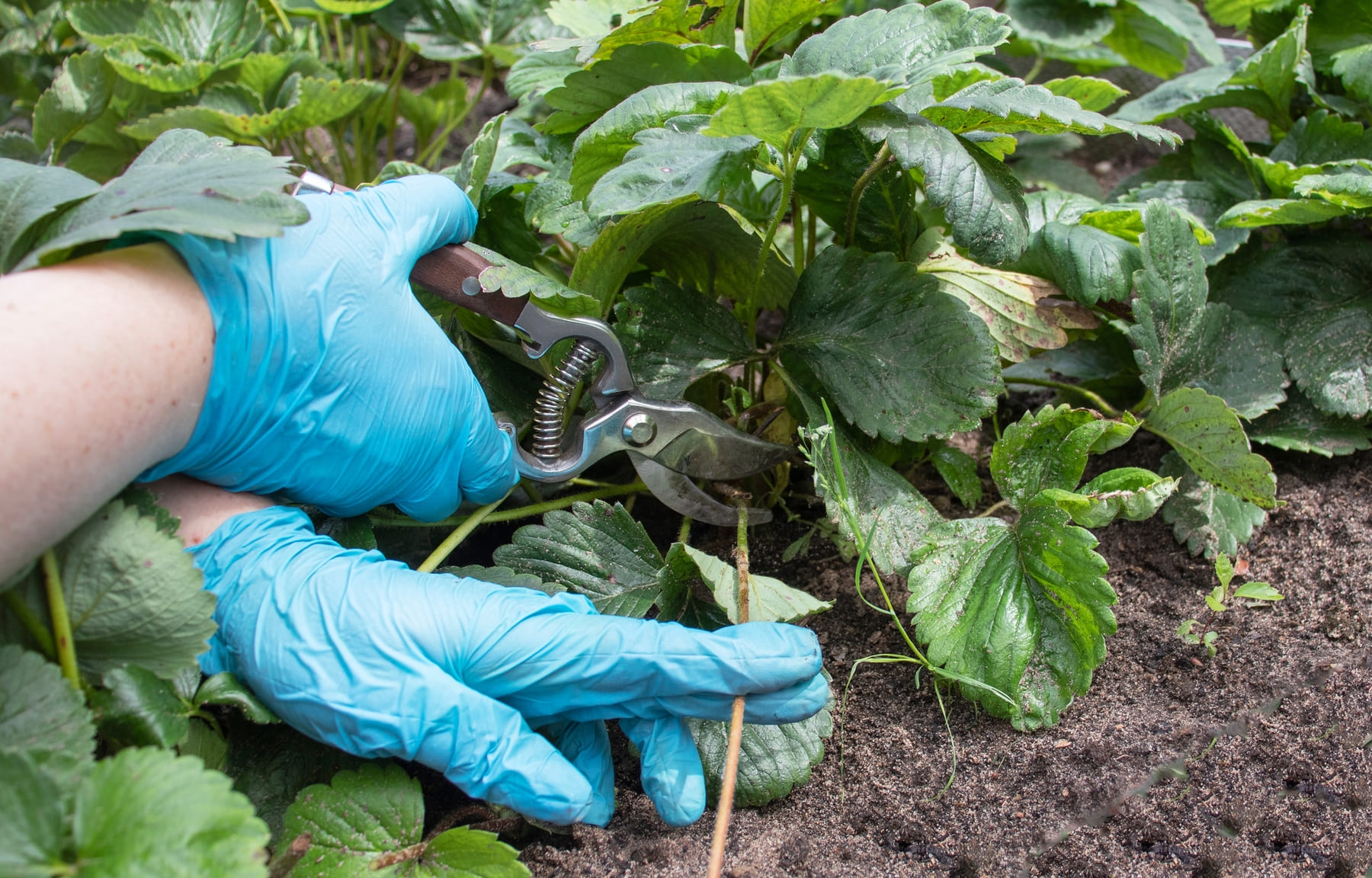
It consists of physically removing weeds using agricultural tools or machinery. This method is useful for controlling weeds at early stages and can include:
- Shallow tillage of the soil.
- Manual weeding.
- Use of cultivators and harrows.
Although effective, it must be applied with care to avoid soil erosion and preserve the organic structure.
2. Cultural control
This technique seeks to alter environmental conditions to make weed development harder. The most common strategies include:
- Crop rotation to interrupt weed life cycles.
- Dense sowing or close rows to limit available light.
- Selection of competitive, well-adapted cultivars.
3. Biological weed control
One of the most sustainable techniques and the most aligned with synergistic agriculture. It consists of using living organisms —such as insects, fungi or bacteria— that specifically attack certain weed species. This approach:
- Reduces dependence on chemical herbicides.
- Promotes the natural balance of the agricultural ecosystem.
- Is especially recommended by Econatur, the plant biotechnology company, in its green innovation projects.
4. Selective chemical control
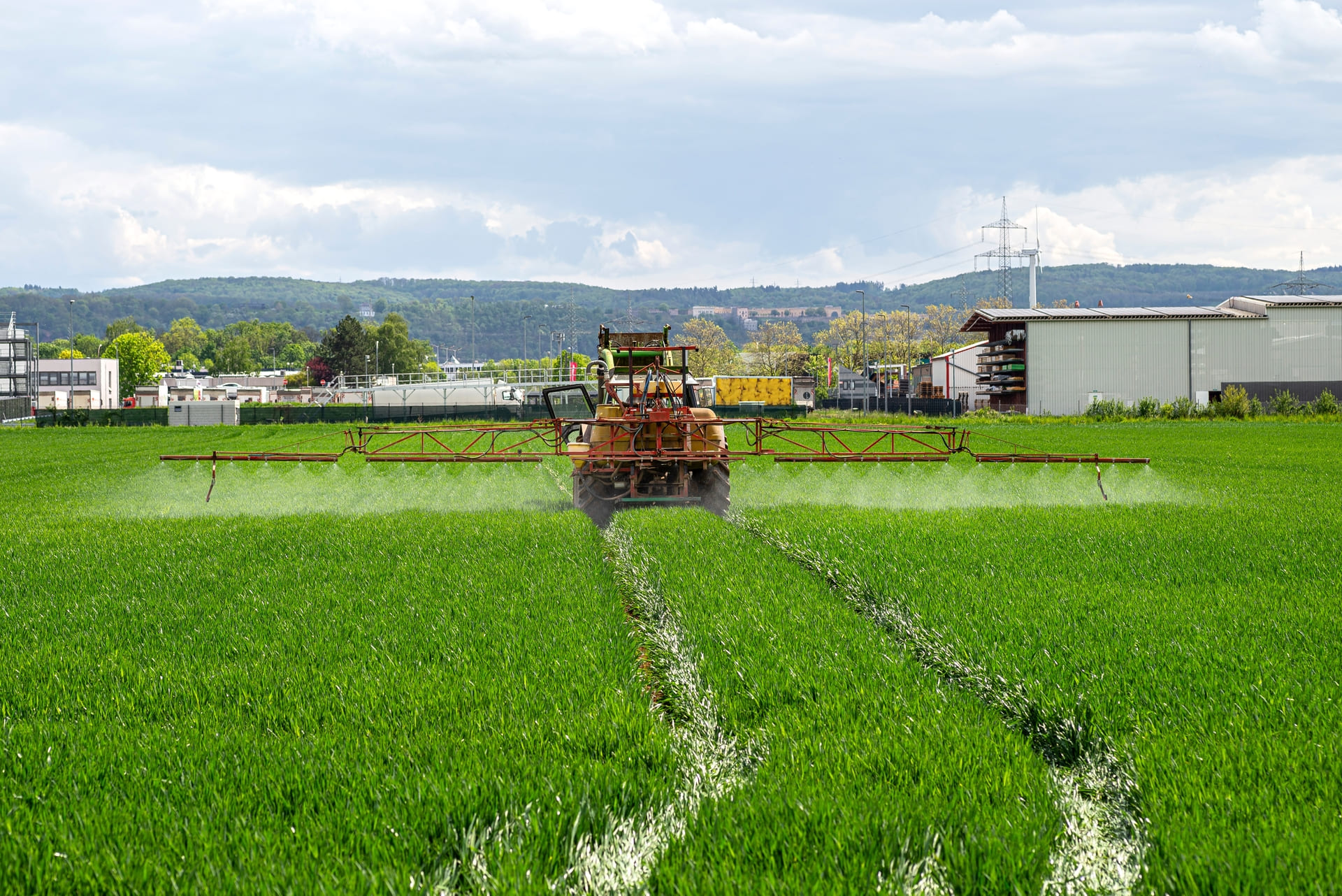
It involves applying selective herbicides that attack weeds without harming crops. Although it can be effective in certain situations, responsible use combined with other techniques is recommended to avoid resistance and environmental damage.
5. Cover crops and mulching
Living covers or organic mulches limit weed emergence by reducing the amount of light reaching the soil. They also conserve moisture and improve soil structure. This technique is widely used in agroecological systems.
Tips for effective, sustainable weed control
To get the best results in weed management, it is important to adopt an integrated approach that combines several strategies. Here are some practical tips:
- Constant monitoring: carry out regular inspections to identify the predominant species and their growth cycles.
- Strategic planning: design an annual weed control plan adapted to your crops and local conditions.
- Use of bioactive products: prioritise biological solutions such as those offered by Econatur, which respect soil health and ecosystems.
- Ongoing training: stay up to date on new sustainable farming techniques and technologies.
Advantages of weed control in crops
Using suitable weed control techniques brings concrete benefits in terms of yield, sustainability and profitability:
- Higher production: crops have full access to nutrients, light and water.
- Lower agrochemical use: which reduces costs and environmental impact.
- Soil conservation: techniques such as mulching and biological control favour its structure and fertility.
- Better quality of the final product: without chemical residues or stress from plant competition.
Econatur: a leader in sustainable weed control solutions
Econatur, the plant biotechnology company, specialises in developing natural products and technologies applied to synergistic agriculture. Its integrated approach to weed control includes:
- Bioactive, ecological solutions.
- Personalised technical advice.
- Research and innovation in sustainable farming systems.
With Econatur, you can implement effective weed control techniques that are environmentally friendly and aligned with the principles of regenerative agriculture.
Conclusion on weed control techniques
Adopting the right weed control techniques not only improves agricultural productivity, but also protects the environment and strengthens farming systems in the long term. Thanks to the experience and commitment of Econatur, the plant biotechnology company, it is now possible to apply advanced, sustainable solutions to manage weeds responsibly and efficiently.
Are you ready to transform your crops with more ecological, profitable management? Contact us and find out how we can help you implement the best weed control techniques adapted to your needs.
Frequently asked questions about weed control techniques
Weed control techniques raise many questions among farmers and agricultural professionals. Below we answer some of the most common ones to help you better understand how to apply them effectively and sustainably.
What is the best weed control technique for organic crops?
The best technique for organic crops is usually a combination of methods such as biological control, cover crops and crop rotation. These strategies reduce the use of chemicals and favour a more natural, balanced environment for crops.
How often should I apply weed control techniques?
The frequency of application depends on the type of crop, the season and the weed species present. In general, constant monitoring is recommended, applying preventive or corrective techniques periodically, especially in the early stages of the crop.
Do weed control techniques affect soil health?
When correctly implemented, weed control techniques not only do not affect soil health, they can improve it. Methods such as organic mulching, biological control and crop rotation help conserve moisture, improve soil structure and increase fertility.