Synergistic agriculture

Synergistic agriculture
Synergistic agriculture represents a revolution in crop management, allowing farmers like you to maximise productivity while respecting the environment. At Econatur, we apply the principles of synergy to design farming systems that not only increase biodiversity but also improve soil health. Our integrated approach ensures superior yield and natural resistance to pests and diseases, optimising your resources and cutting costs.
Econatur is your ally in implementing synergistic agriculture, offering personalised solutions adapted to your specific needs. Our experts will guide you at every step, from planning to harvest, using advanced techniques that promote ecological balance and sustainable profitability. Join the industry leaders who are already transforming their farming practices with us and experience the benefits of a greener, more efficient approach.
CONTACT US NOW
Synergistic agriculture: growing in harmony with nature
Synergistic agriculture is a farming practice that seeks to imitate natural processes to create self-sufficient, sustainable growing systems. Developed by the Spanish farmer and permaculturist Emilia Hazelip, this methodology is based on observing and respecting the natural interactions between plants, soil and microorganisms, promoting soil fertility without chemical fertilisers or pesticides.
Fundamental principles of synergistic agriculture
Synergistic agriculture is governed by four essential principles:
1. No tillage
Avoiding soil disturbance preserves its structure and the microbial life that lives in it, which is essential for natural fertility.
2. No fertilisers
Soil self-sufficiency is encouraged, allowing plants and microorganisms to maintain and improve fertility without outside intervention.
3. No pesticides or herbicides
Crop protection is achieved by promoting biodiversity and ecological balance, reducing the appearance of pests and diseases.
4. Permanent soil cover
Keeping the soil always covered with plants or plant residues protects against erosion, conserves moisture and adds organic matter.
Benefits of synergistic agriculture
- Environmental sustainability: by dispensing with chemicals and heavy machinery, pollution is reduced and ecosystem conservation is promoted.
- Improved soil fertility: biological activity increases the soil’s organic matter and structure, favouring healthier crops.
- Lower costs: spending on external inputs such as fertilisers and pesticides falls, as available natural resources are used.
- Climate resilience: diversified, balanced systems are more resistant to adverse weather and pests.
Implementing synergistic agriculture
To adopt synergistic agriculture, we recommend following these steps:
1. Garden design
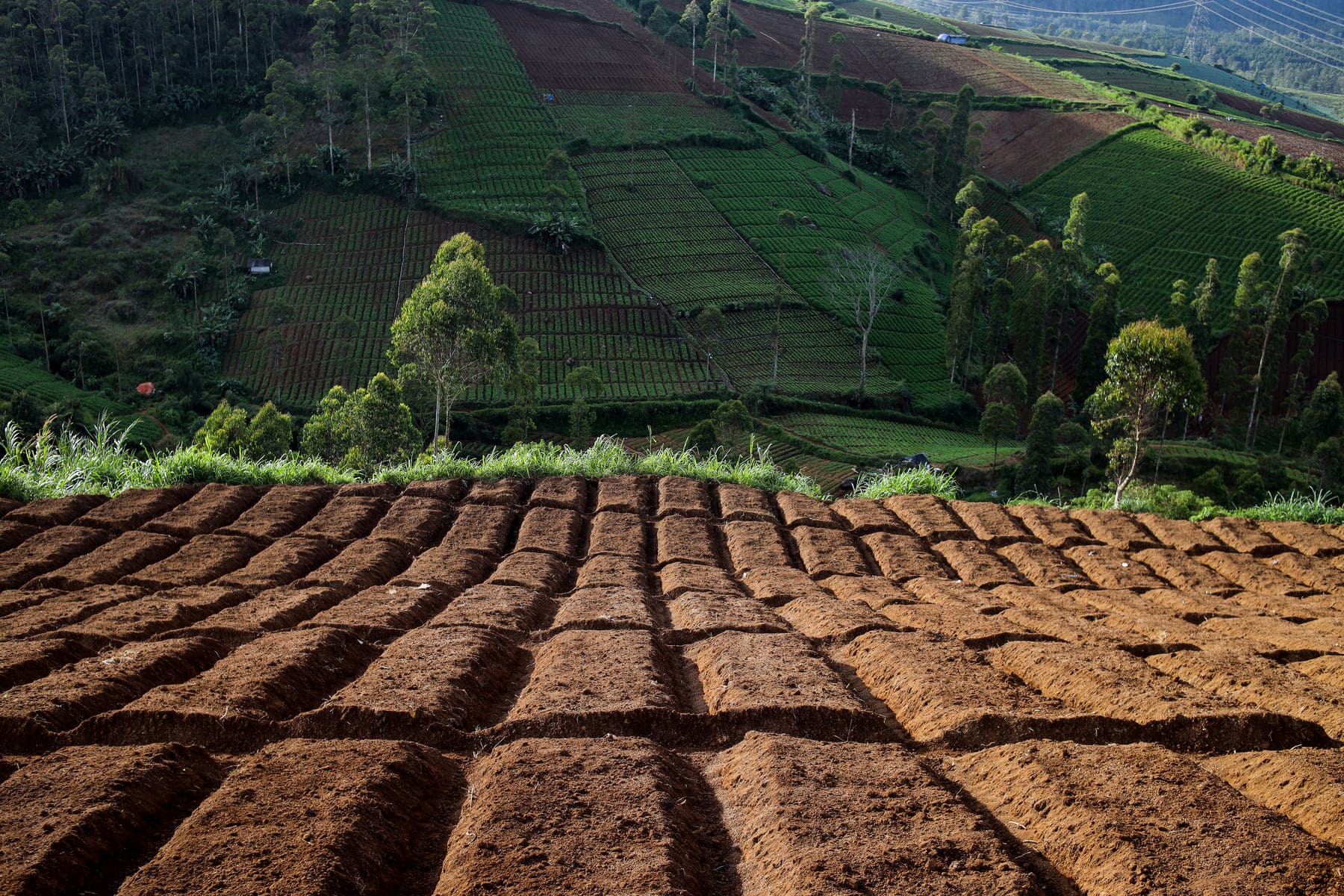
Plan raised beds that ease drainage and soil aeration, respecting the natural topography of the land.
2. Crop association
Grow complementary species that benefit each other, optimising the use of nutrients and space.
3. Soil cover
Use mulch or cover plants to protect the soil, conserve moisture and add organic matter.
4. Introducing beneficial microorganisms
Encourage the presence of native microorganisms that improve soil health and nutrient availability.
Practical tips for successful synergistic agriculture
- Constant observation: monitor plant development and soil conditions to make the necessary adjustments.
- Crop rotation: alternate the species grown on the same plot to prevent nutrient depletion and the proliferation of specific pests.
- Use of adapted seeds: opt for local varieties adapted to the climate and soil of the region.
- Continuing education: take part in workshops and courses on agroecological practices to keep improving the techniques used.
Econatur, the plant biotechnology company: your ally in synergistic agriculture
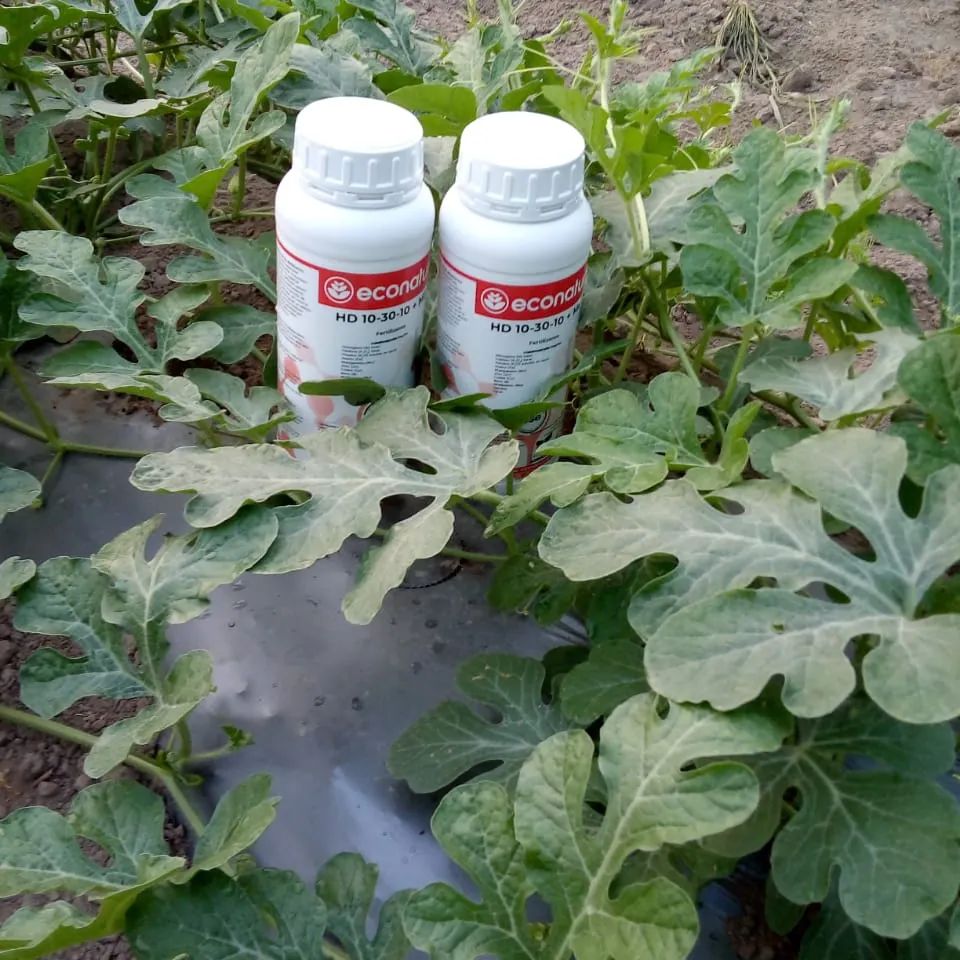
Econatur, the plant biotechnology company, based in Spain, specialises in agricultural solutions based on biotechnology and natural chemistry, promoting sustainable crop management. Econatur was a pioneer in Europe in offering eco-sustainable inputs, supporting practices such as synergistic agriculture.
Its services include R&D&I innovation, the design and development of natural products, and an advanced manufacturing industry. These comprehensive solutions make it easier to implement sustainable farming practices, improving soil health and crop productivity.
Synergistic agriculture is a viable, sustainable alternative to conventional agriculture, promoting farming systems that work in harmony with nature. By adopting this methodology, you contribute to protecting the environment, improve soil fertility and obtain healthier, more resilient agricultural production. Having allies such as Econatur, the plant biotechnology company, can ease the transition to more sustainable, efficient practices in the agricultural sector.
Frequently asked questions about synergistic agriculture
Synergistic agriculture raises many questions among those who want to apply it. Below we answer some of the most common questions about this sustainable technique.
How does synergistic agriculture differ from traditional agriculture?
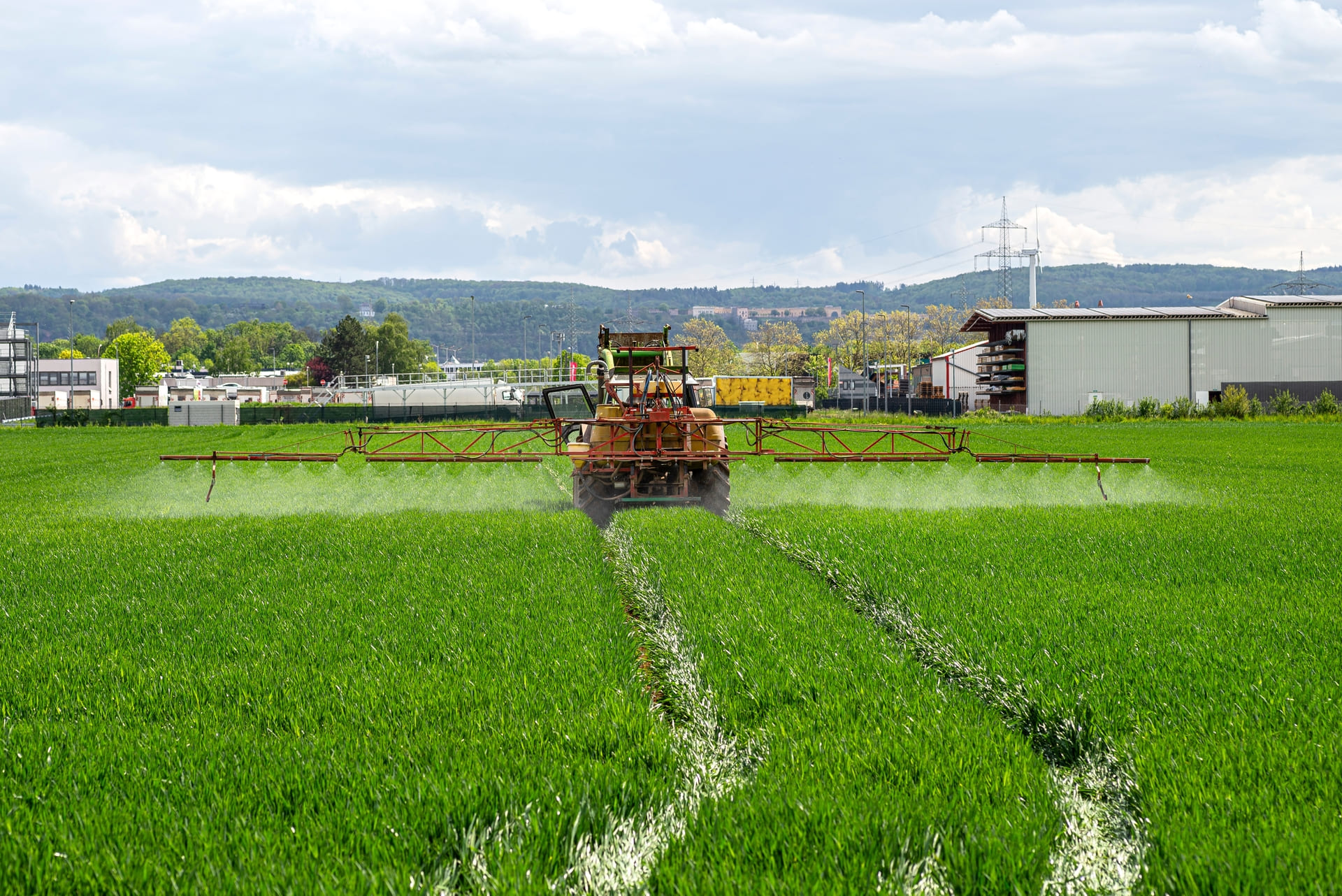
Synergistic agriculture is based on not intervening in the soil, avoiding tillage and synthetic fertilisers. Traditional agriculture, by contrast, depends on external inputs and techniques that can degrade the soil in the long term.
Can synergistic agriculture be applied to any type of soil?
Yes, although results may vary depending on soil conditions. With plant cover and intercropping, even degraded soils can regenerate over time.
How long does it take to see the positive impact of synergistic agriculture?
The first benefits can be seen within a few months, with better soil structure and fewer pests. However, full regeneration of the agricultural ecosystem can take several years, depending on the starting conditions.