Fertiliser use in agriculture
Fertiliser use in agriculture is a decisive factor in maximising crop yield and health. At Econatur we offer highly effective nutritional solutions, formulated to improve nutrient uptake, reduce losses and optimise every stage of plant development. Our fertilisers are designed to fit into sustainable programmes, respecting the balance of the soil and of the agricultural ecosystem. Give your crops what they really need, with formulas adapted to each need, crop type and production requirement.
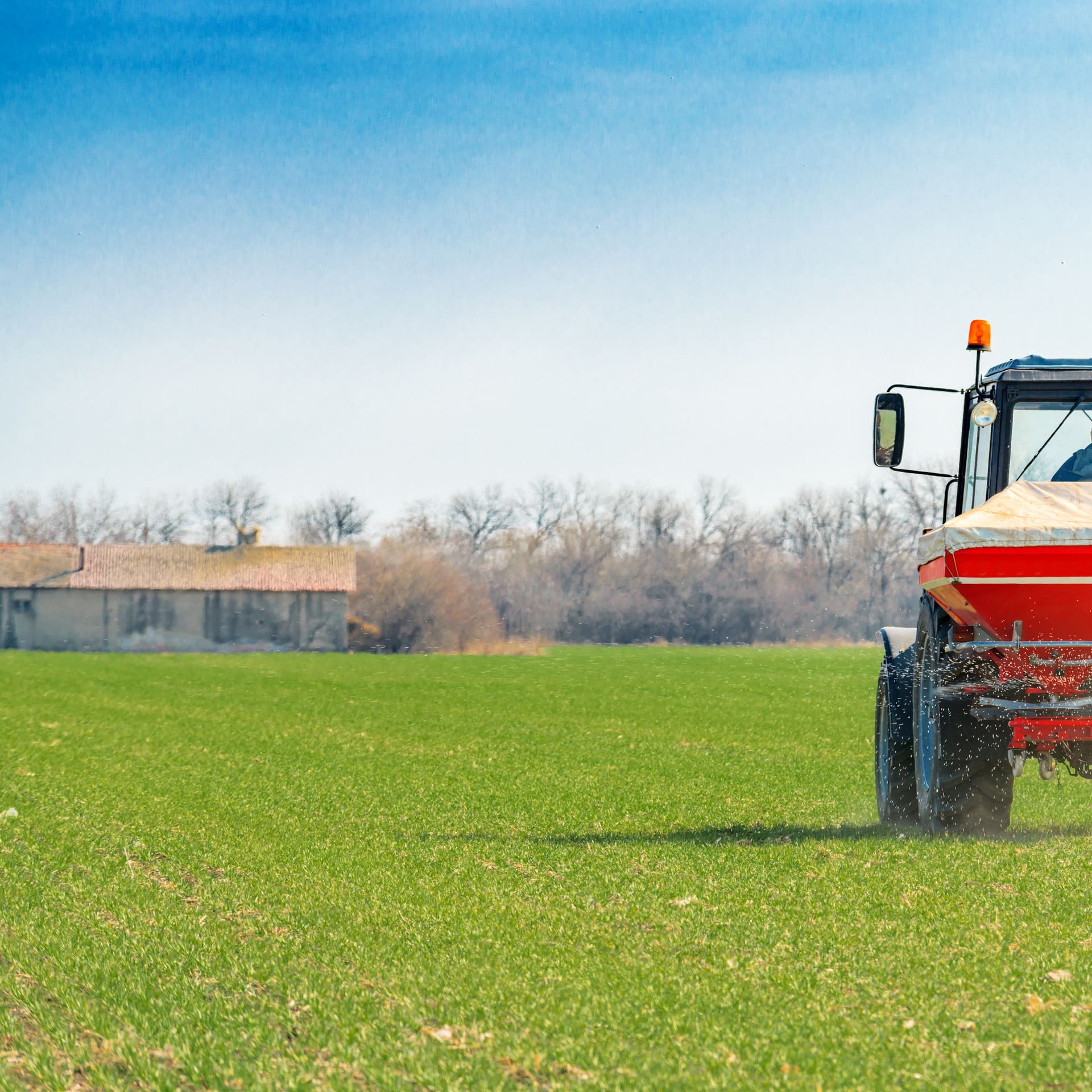
Effective, sustainable fertilisers adapted to every crop
At Econatur we develop fertilisers that act precisely on the real needs of the crop, improving nutrient availability and uptake. Our solutions allow balanced nutrition, maximising yield without compromising soil health. Each formula is designed to respond to specific climatic and physiological conditions.
Our approach combines technological innovation and sustainability principles. We use high-quality raw materials and processes that respect the microbial life of the soil. This allows us to offer effective alternatives for both organic and conventional farming, with visible results in the health, vigour and productivity of the crop.
CONTACT US NOW
Fertiliser use in agriculture: a complete guide to optimising your crops
In the context of modern agriculture, understanding fertiliser use in agriculture is not just a competitive advantage, but a necessity for healthy, sustainable and productive crops. On this landing page you will find everything you need to know about the subject, with valuable information, practical advice and useful tools to put efficient fertiliser management into practice on your farm.
If your goal is to improve crop productivity, cut costs without sacrificing yield and adopt environmentally friendly practices, this content will help you make informed, strategic decisions.
What does fertiliser use in agriculture mean?
Fertiliser use in agriculture refers to the planned application of chemical or organic substances that supply essential nutrients to the soil and plants. These products make up for nutritional deficiencies, improve soil fertility and optimise plant growth.
Fertilisers can be inorganic (synthetic) or organic (derived from natural matter), and the choice depends on factors such as crop type, soil conditions and production goals. Proper application directly affects plant health, fruit quality and the sustainability of the farming system.
Types of fertilisers and how they influence agriculture
Fertilisers are classified according to their origin and composition. Understanding each type will let you choose the right option for your specific needs.
- Nitrogen fertilisers: essential for vegetative growth and leaf formation.
- Phosphate fertilisers: improve root development and flowering.
- Potassium fertilisers: increase disease resistance and improve fruit quality.
- Micronutrients: include iron, zinc and other nutrients needed in small amounts.
- Organic fertilisers: compost, manure and others that improve soil structure and its microbiota.
Organic vs. inorganic fertilisers compared
| Characteristic | Organic fertilisers | Inorganic fertilisers |
|---|---|---|
| Origin | Natural | Synthetic |
| Release rate | Slow | Fast |
| Impact on the soil | Improves structure | Can degrade it if overused |
| Cost | Variable | Generally lower |
The importance of responsible fertiliser use
Proper fertiliser management has a profound impact on your farm. Econatur, a plant biotechnology company, works with farmers to implement science-based strategies that maximise the efficient use of inputs, minimising losses and reducing environmental impact.
The benefits of applying fertilisers responsibly include:
- A significant increase in crop yield.
- Better quality of agricultural products.
- Optimised nutrient balance in the soil.
- Lower costs in the long term through precise applications.
- Mitigation of negative effects such as leaching and contamination of water sources.
How to draw up an effective fertilisation plan
For fertiliser use in agriculture to be truly effective, you need structured planning. Here are the key steps:
- Soil analysis: assess the current nutrient status and pH.
- Setting objectives: decide which results you want to achieve.
- Choosing fertilisers: select products suited to your crops and conditions.
- Scheduling applications: adjust doses and timing to the crop cycle.
- Monitoring: observe and adjust your practices according to how the crop responds.
Checklist for effective fertiliser use
- Do you have an up-to-date analysis of your soil?
- Have you identified the nutritional needs of your crops?
- Does the chosen fertiliser match those needs?
- Are you applying the recommended dose for the growth stage?
- Do you keep a record of applications and results?
- Do you regularly check the state of the soil and the health of your plants?
Advantages of mastering fertiliser use in agriculture
Understanding and correctly applying fertilisers brings not only better production results, but also economic and environmental benefits:
Maximised profitability
Correct dosing avoids wasting costly inputs, letting you invest only what is needed to obtain the expected yield.
Better soil health
Nutritional balance favours the soil’s biological activity, which in turn improves its structure and fertility in the long term.
Environmental sustainability
Responsible use reduces the risk of contamination through runoff or leaching, protecting aquifers and nearby ecosystems.
Crop quality
Balanced plant nutrition results in end products of greater size, flavour and commercial value.
Common mistakes and how to avoid them
Even with good intentions, many farmers make mistakes that reduce fertiliser efficiency. Here are the most frequent ones and how to correct them:
- Applying fertilisers without a soil analysis: this can lead to nutritional imbalances. Solution: run regular analyses and adjust your plans.
- Using excessive doses: more does not always mean better results and can even damage the roots. Solution: follow the doses recommended by a specialist or laboratory.
- Ignoring the weather: heavy rain after application can cause nutrient loss. Solution: adjust your calendar to weather conditions.
- Ignoring crop rotation: it can deplete certain nutrients. Solution: plan rotations that balance nutritional needs.
Frequently asked questions about fertiliser use in agriculture
How often should I apply fertilisers?
It depends on the crop type, the type of fertiliser and the soil conditions. In general, follow a programme based on the crop cycle and nutrient availability.
Is it better to use organic or inorganic fertilisers?
There is no single answer: organic fertilisers improve soil health in the long term, while inorganic ones give fast responses. A balanced combination can be ideal.
Can fertilisers harm the environment?
Yes, if they are applied in excess or without a proper plan. That is why responsible practices, such as soil analysis and applying precise doses, are crucial.
Conclusion: commit to a strategic use of fertilisers
Mastering fertiliser use in agriculture is a key piece for any farmer or agricultural business that wants to raise productivity, cut costs and protect the environment. With a scientific approach, strategic planning and the right tools, you can transform your crops and secure sustainable yields.
At Econatur, as a plant biotechnology company, we help you create personalised, evidence-based fertilisation plans. Contact us and find out how to take your farming practices to the next level.