Efficient irrigation techniques
Implement solutions that optimise water use at every stage of the crop. At Econatur we help you reduce runoff losses, increase irrigation uniformity and improve water availability in the soil. Adapt your system to new agronomic and climate demands with strategies that turn every drop into real yield.

Irrigation optimisation: precision, sustainability and agronomic results
Applying efficient irrigation techniques is not only about saving water, but about improving its distribution, reducing water stress and boosting nutrient uptake. At Econatur we rely on methodologies that take into account soil type, climate and phenological stage to maximise water efficiency without compromising productivity or crop health.
Our approaches combine agronomic innovation and technical experience to turn irrigation into a strategic tool. From moisture sensors to formulations that improve water retention in the root profile, we design solutions adapted to the farmer’s real needs and to the demands of agriculture that is more resilient to climate change.
CONTACT US NOW
Efficient irrigation techniques: optimise your resources and increase your profitability
Water is one of the most valuable resources in modern agriculture. Implementing efficient irrigation techniques not only improves crop yield, but also reduces water, energy and fertiliser consumption. If you are looking to optimise your farming processes sustainably, here you will find real, applicable, results-oriented solutions.
What are efficient irrigation techniques?
Efficient irrigation techniques are methods and tools designed to supply exactly the amount of water a plant needs, at the right time and in the right way. These techniques are based on the rational use of water, supported by technology, planning and agronomic knowledge.
Their main goal is to maximise the use of the water resource without compromising agricultural productivity, while reducing losses through evaporation, runoff or excessive infiltration.
Why are they so important today?
Water scarcity, climate change and new environmental regulations make efficient resource management essential in the agricultural sector. Adapting is no longer an option, it is a necessity.
Advantages of implementing efficient irrigation techniques
- Lower water consumption without affecting crop yield.
- Better nutrient control thanks to localised, precise irrigation.
- Fewer diseases caused by excess soil moisture.
- Lower operating costs for pumping, energy and maintenance.
- Adaptability to different soils, crops and climates.
Comparison of irrigation techniques
| Irrigation technique | Water efficiency | Initial cost | Requires automation | Recommended for |
|---|---|---|---|---|
| Drip | 90-95% | Medium-High | Yes | Vegetables, fruit trees, greenhouses |
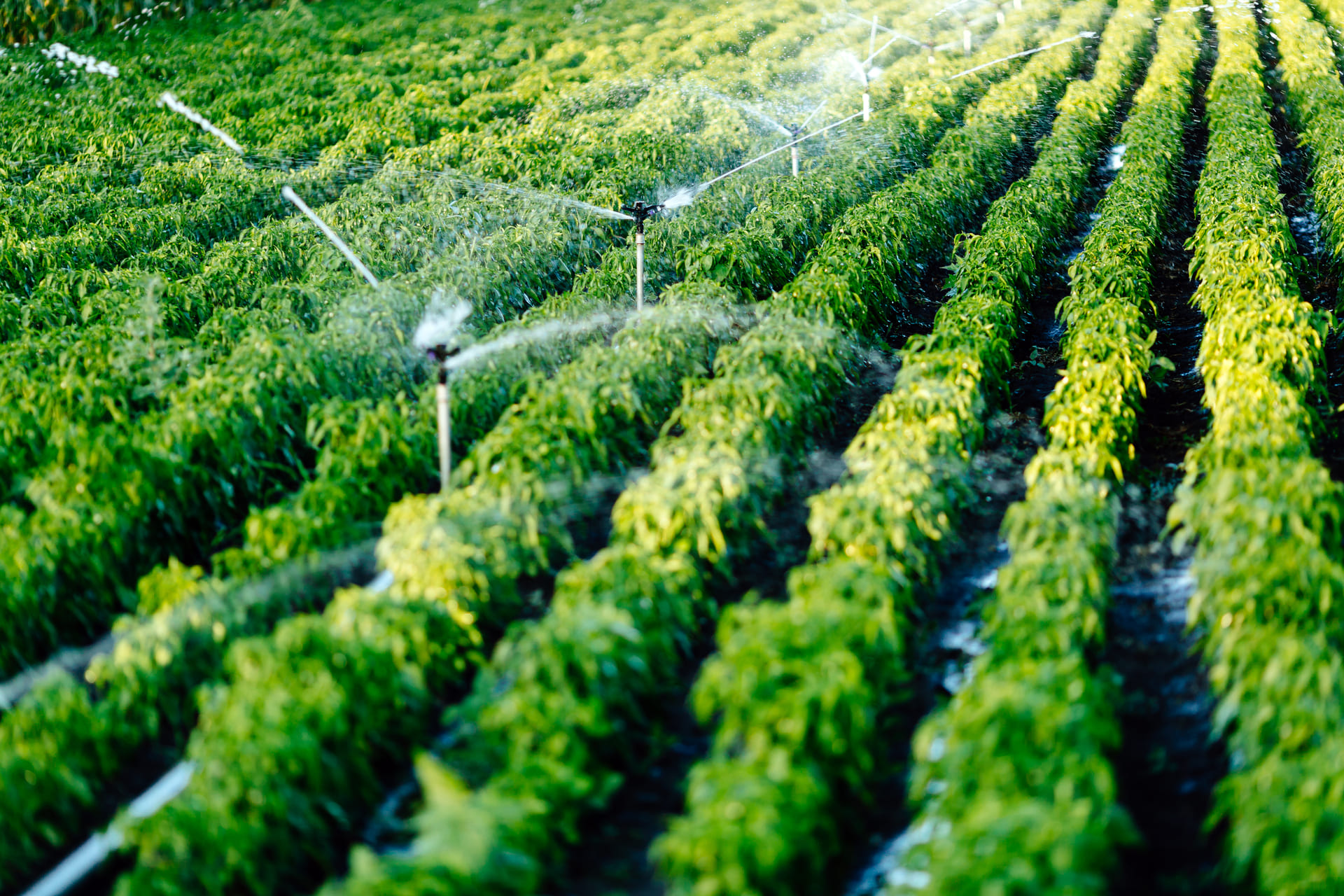
| Micro-sprinkler | 80-90% | Medium | Optional | Fruit trees, nurseries, green areas |
| Sprinkler irrigation | 70-85% | Low-Medium | Optional | Extensive crops, lawns |
| Subsurface irrigation | 95%+ | High | Yes | Arid areas, intensive crops |
Checklist: are you ready to apply efficient irrigation techniques?
Before implementing any technique, make sure you are clear on these keys:
- ✅ Have you carried out a study of the soil and your crops’ water needs?
- ✅ Do you have access to climate data or moisture sensors?
- ✅ Can you partly or fully automate the irrigation system?
- ✅ Do you have a compatible fertigation system?
- ✅ Do you have technical support or specialised advice?
Key tips for smart irrigation management
- Monitor the soil in real time: use probes or sensors to avoid unnecessary irrigation.
- Divide your farm into sectors: split it into zones according to crop type and land conditions.
- Irrigate at the right times: avoid evaporation by irrigating at dawn or dusk.
- Train your team: a system is only as efficient as the people who operate it.
- Evaluate results every season: measure, compare and adjust to keep improving.
How a plant biotechnology company like Econatur helps you
In a scenario where every drop counts, having the backing of a plant biotechnology company like Econatur can make the difference. It is not only about installing an irrigation system, but about understanding how water interacts with nutrients, soil microbiology and the crop’s phenological stages.
Thanks to scientific knowledge and solutions based on biotechnology applied to agriculture, it is possible to design smarter irrigation strategies aligned with the principles of sustainability and productivity.
Conclusion: the future of irrigation is efficient, sustainable and profitable
Adopting efficient irrigation techniques is a strategic investment that directly affects the profitability, sustainability and competitiveness of the farming business. Today, technology, agronomic knowledge and plant biotechnology are within reach of those who want to evolve.
If you want to take the step towards more efficient agriculture, the time is now. Water does not wait.
Frequently asked questions about efficient irrigation techniques
We know that when looking into efficient irrigation techniques, many questions arise about their application, advantages and costs. Below we answer some of the most common ones to help you make informed, effective decisions.
What is the most efficient irrigation technique for intensive crops?
Drip irrigation is considered one of the most efficient techniques for intensive crops. It allows localised distribution of water directly at the plant’s roots, reducing evaporation losses and improving nutrient uptake.
What initial investment is needed to implement an efficient irrigation system?
The investment varies with the type of system, the size of the land and the level of automation. In general, the most efficient systems, such as drip or subsurface irrigation, require a medium to high investment, but offer a quick return thanks to water savings and increased productivity.
How do I know whether an irrigation system is really efficient?
To assess efficiency, consider factors such as the coverage percentage of the water applied, the reduction in water consumption compared with previous seasons and the improvement in irrigation uniformity. Using moisture sensors and monitoring the data lets you measure and optimise continuously.