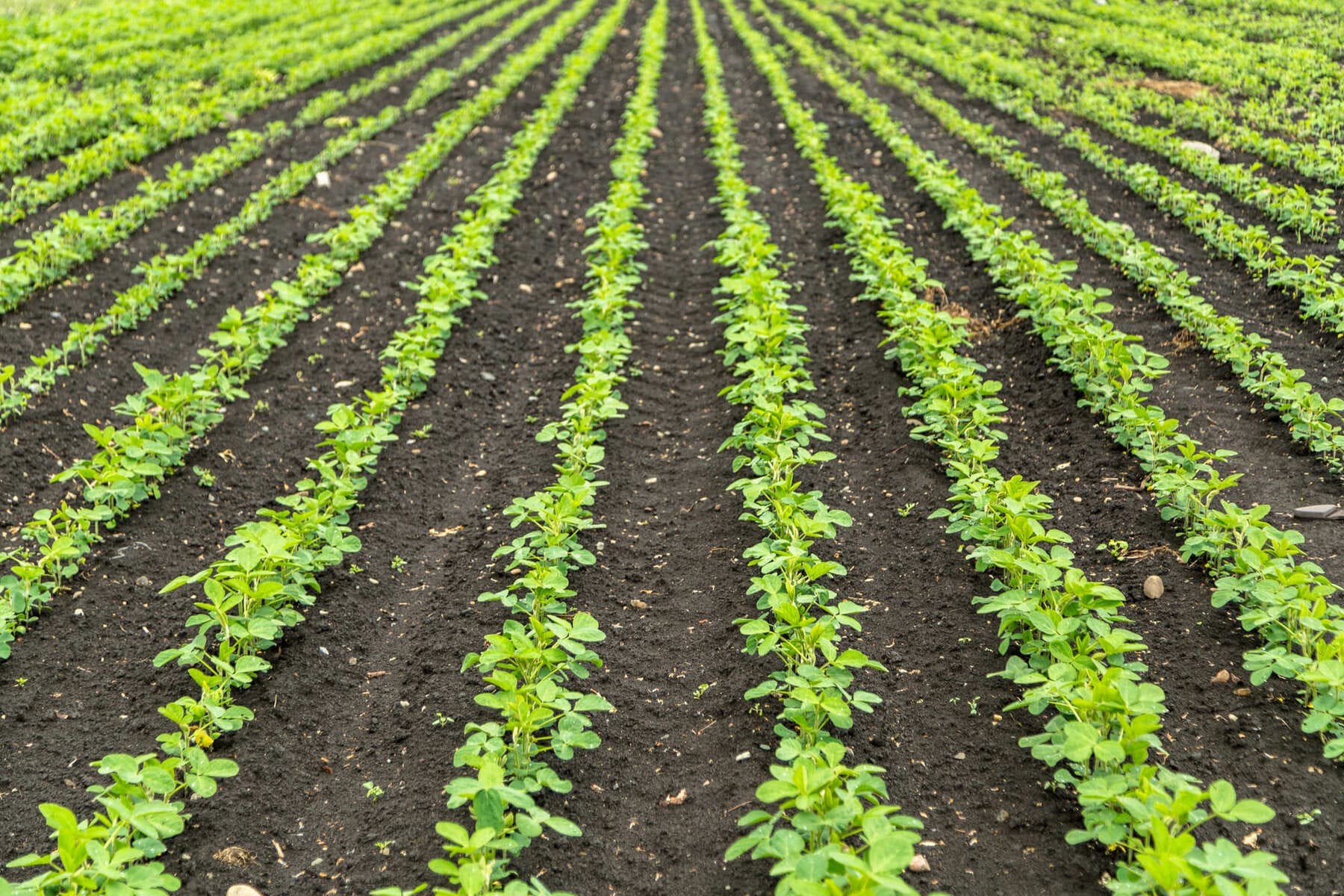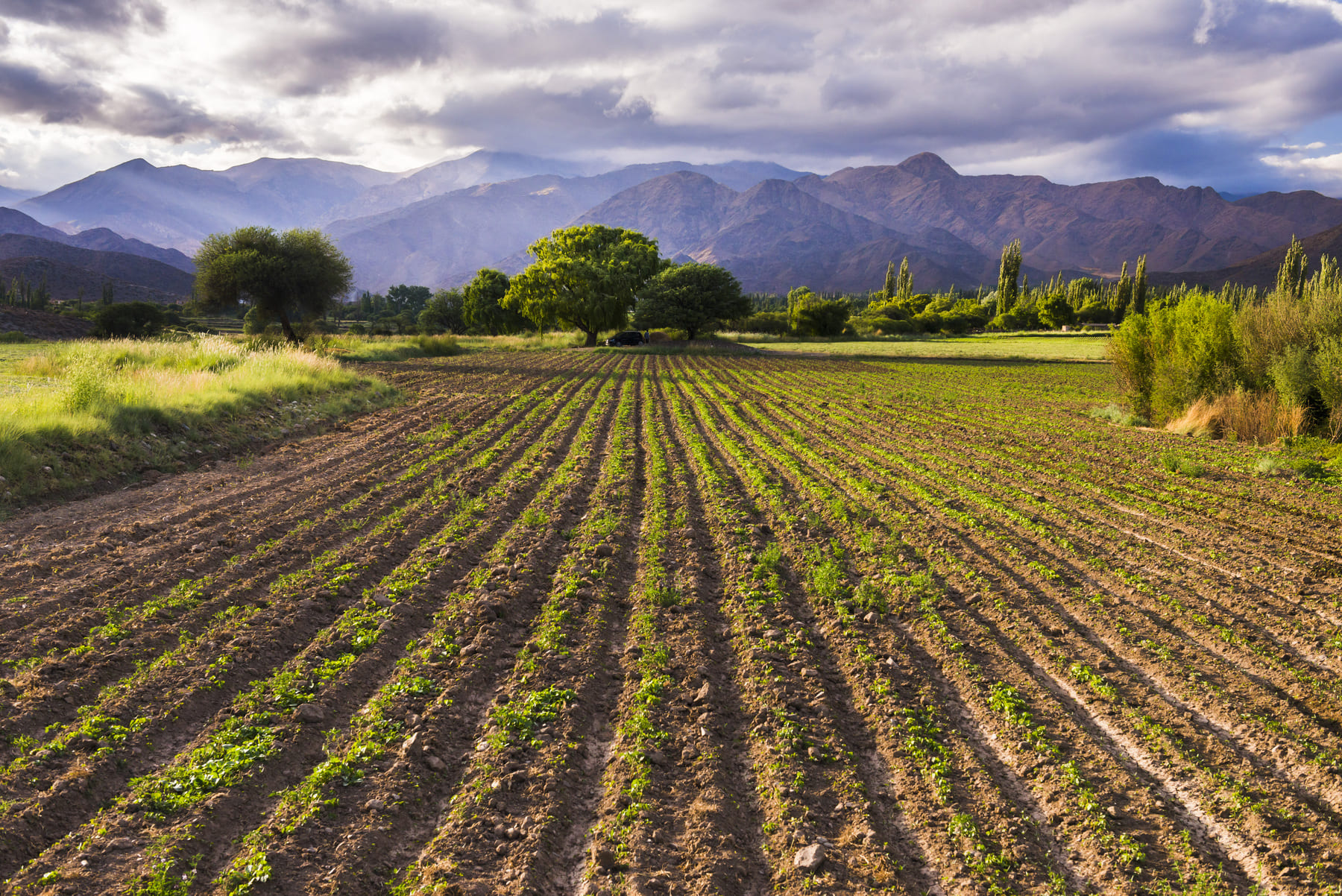
Agricultural soil quality
Improve agricultural soil quality with advanced analyses and precise data that let you optimise fertilisation, structure and soil health. Make more efficient agronomic decisions, increase your crops’ productivity and ensure sustainable soil management in the long term.
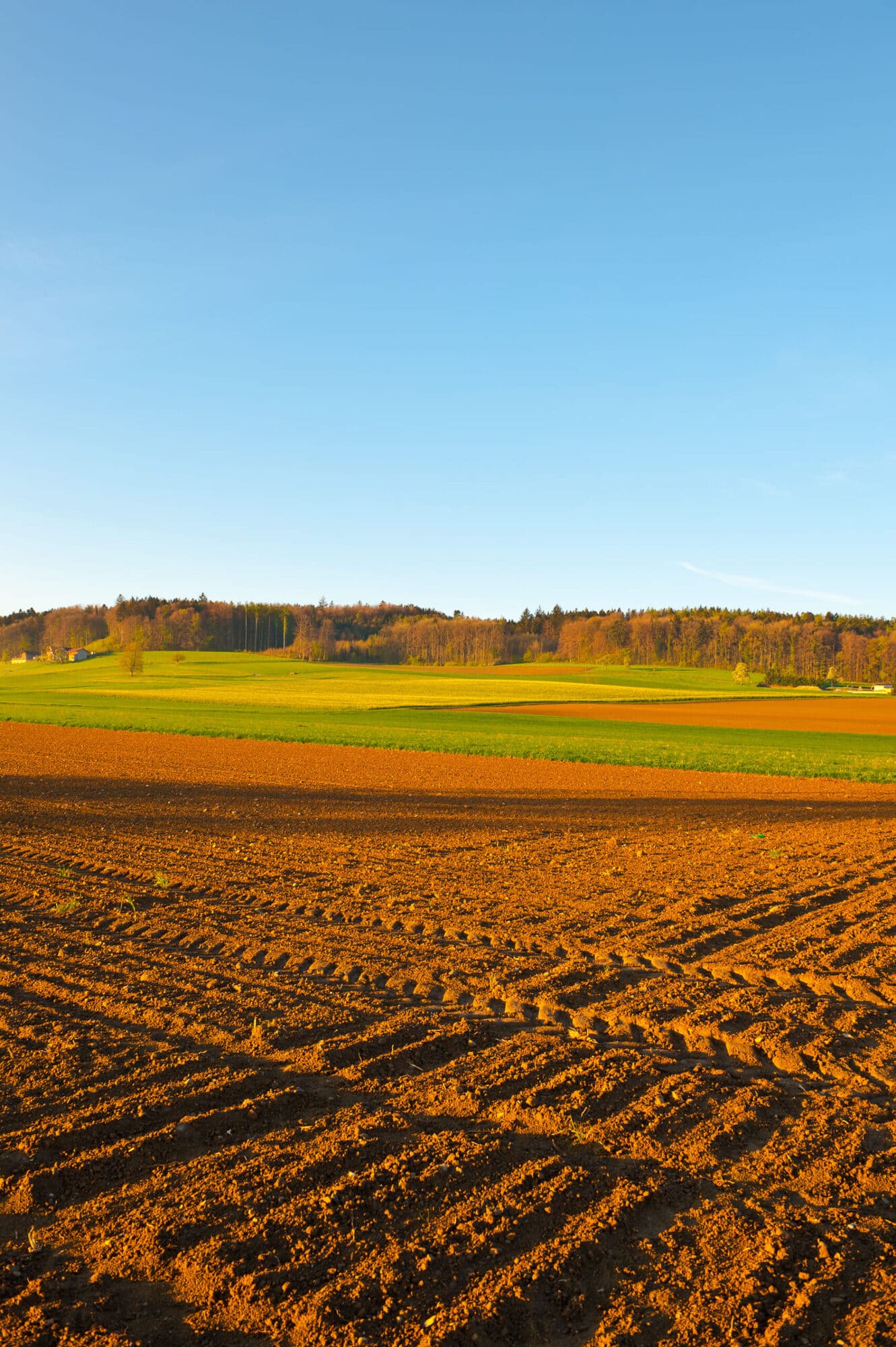
Optimising soil quality for more productive agriculture
Agricultural soil quality is a key factor in maximising crop yield and stability. Through physico-chemical and biological analyses it is possible to identify nutrient levels, organic matter, pH and soil structure, allowing more precise agronomic management strategies adapted to the real needs of each plot.
Continuous soil monitoring makes it easier to adjust fertilisation plans, improve water retention and prevent problems such as compaction or degradation. By better understanding soil dynamics, farmers can optimise resources, cut input costs and maintain more sustainable, efficient production systems in the long term.
CONTACT US NOW
Agricultural soil quality as a service: the basis of productive, sustainable agriculture
Soil quality is one of the most decisive factors for agricultural productivity, environmental sustainability and the profitability of any farm. A healthy soil not only feeds crops, but also maintains the biological balance of the agricultural ecosystem.
In a context where agriculture must produce more food with fewer resources, understanding and managing agricultural soil quality becomes a strategic advantage. Analysing, interpreting and optimising soil conditions makes it possible to take smarter agronomic decisions, improve irrigation efficiency, increase natural fertility and guarantee long-term production stability.
From an approach based on agricultural innovation, specialised solutions such as those developed by Econatur, a plant biotechnology company, make it possible to assess and optimise the soil through advanced technologies that help maximise the land’s productive potential.
On this page you will discover what agricultural soil quality is, why it matters so much for modern agriculture and how to implement practical strategies to improve it.
What is agricultural soil quality?
Agricultural soil quality is defined as the soil’s capacity to function as a living system that sustains crop production, maintains environmental balance and supports the health of agricultural ecosystems. This concept covers the physical, chemical and biological factors that determine soil performance and its ability to sustain plant life.
A high-quality soil allows:
- Optimal plant growth.
- Proper nutrient retention and availability.
- Efficient water infiltration and storage.
- Beneficial microbiological activity.
- Structural stability of the land.
When these factors become unbalanced, the soil loses fertility, becomes compacted, erodes or loses biodiversity, directly affecting agricultural yield and crop sustainability.
Factors that determine soil quality
Assessing soil quality is based on three main dimensions that interact with each other:
1. Physical properties of the soil
These characteristics determine soil structure and its ability to support root growth.
- Soil texture.
- Structure and aggregate stability.
- Water infiltration capacity.
- Compaction and bulk density.
- Effective soil depth.
2. Chemical properties
Chemical properties directly influence fertility and the availability of nutrients essential for plants.
- Soil pH.
- Cation exchange capacity.
- Availability of nitrogen, phosphorus and potassium.
- Organic matter content.
- Salinity and element toxicity.
3. Biological properties
Soil is a living ecosystem where millions of microorganisms work to maintain fertility and natural balance.
- Microbial activity.
- Soil biodiversity.
- Decomposition of organic matter.
- Humus formation.
When these three pillars are kept in balance, the soil can sustain agricultural production efficiently and sustainably.
Overview of agricultural soil quality
| Indicator | What it measures | Importance for agriculture |
|---|---|---|
| Organic matter | Amount of decomposed organic residues | Improves fertility, structure and water retention |
| Soil pH | Level of acidity or alkalinity | Influences nutrient availability |
| Soil structure | Arrangement of particles and pores | Allows root growth and water circulation |
| Biological activity | Presence of microorganisms | Supports nutrient cycles and soil health |
| Water-holding capacity | Ability to store moisture | Reduces water stress in crops |
Advantages of knowing and managing soil quality
Understanding agricultural soil quality is not just a technical matter. It is a strategic tool that directly affects a farm’s profitability.
The most important benefits include:
- Higher crop yield thanks to a more fertile soil.
- Optimised fertiliser use through more efficient nutrient management.
- Better water management and less water stress.
- Fewer soil diseases through biological balance.
- Greater agricultural sustainability and lower environmental impact.
- Greater resilience to climate change.
When farmers know their soil, they can anticipate problems, optimise resources and significantly improve their farm’s profitability.
Tips for improving agricultural soil quality
Optimising soil quality requires an agronomic strategy based on knowledge, analysis and good farming practices.
1. Increase organic matter
Organic matter is the soil’s biological engine. Adding compost, plant residues or organic fertilisers improves the land’s fertility and structure.
2. Maintain plant cover
Cover crops protect the soil against erosion, improve biodiversity and favour water infiltration.
3. Avoid compaction
Excessive use of heavy machinery reduces soil porosity and limits root growth.
4. Encourage biological activity
Soil microbiology is key to nutrient recycling and natural protection against pathogens.
5. Implement innovative agricultural technologies
Using soil analysis tools and biotechnological solutions improves agronomic efficiency and crop sustainability.
Efficient irrigation techniques to improve soil quality
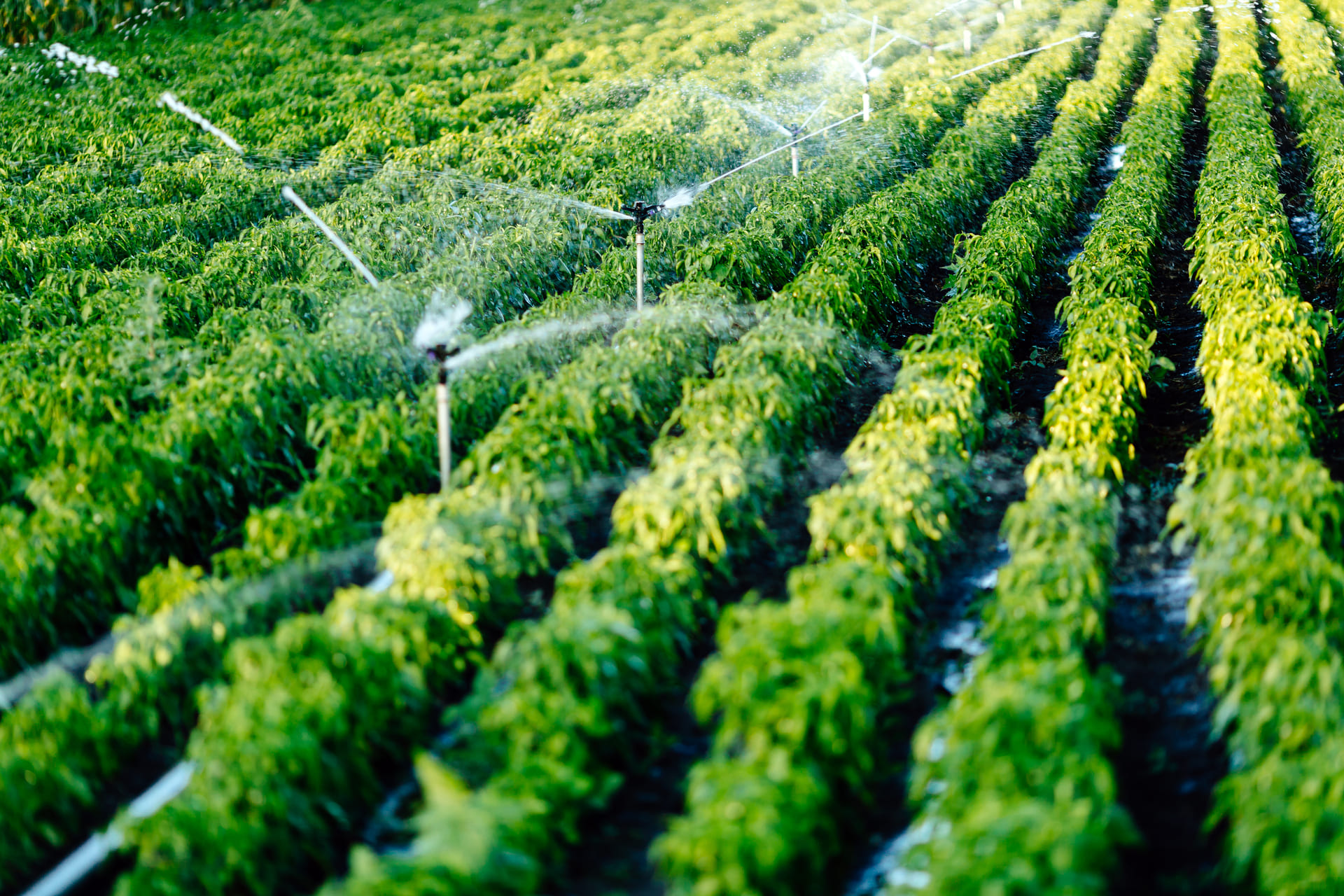
Proper water management is fundamental to maintaining agricultural soil quality. Applying efficient irrigation techniques not only improves crop productivity, but also protects soil structure.
Efficient irrigation checklist
- ✔ Analyse the soil’s water-holding capacity.
- ✔ Use localised irrigation systems such as drip irrigation.
- ✔ Schedule irrigation according to crop needs.
- ✔ Avoid excessive irrigation that causes nutrient leaching.
- ✔ Implement soil moisture sensors.
- ✔ Irrigate at times of lower evaporation.
- ✔ Maintain plant cover to conserve moisture.
- ✔ Integrate precision agriculture strategies.
The importance of innovation in soil management
The future of agriculture depends largely on how we manage our soils today. Soil degradation is one of the biggest agricultural challenges at present, so implementing technological and biological solutions is fundamental.
Companies specialised in plant biotechnology are developing new tools to analyse and improve soil health, optimising natural fertility and increasing crop resilience.
Integrating an approach based on data, microbiology and sustainability makes it possible to turn the soil into a strategic asset for agricultural production.
Investing in soil quality is investing in the future
Agricultural soil quality is much more than an agronomic indicator: it is the foundation on which profitable, sustainable agriculture, ready for the challenges of the future, is built.
Analysing, understanding and optimising the soil improves crop efficiency, reduces production costs and increases long-term production stability.
When the soil is healthy, agriculture thrives. And when agriculture thrives, so does the entire food system.
Frequently asked questions about agricultural soil quality
Understanding agricultural soil quality is fundamental to optimising production, improving crop sustainability and making more efficient agronomic decisions. Below we answer some of the most common questions that arise among farmers, agricultural technicians and companies in the sector looking to improve the performance of their soils.
Which factors influence agricultural soil quality?
Agricultural soil quality depends on a combination of physical, chemical and biological factors. The most important include the amount of organic matter, the soil pH, the structure and texture of the land, the water-holding capacity and the microbiological activity. When these factors are balanced, the soil can supply nutrients efficiently, allow good root development and favour crop productivity.
Why is it important to improve agricultural soil quality?
Improving agricultural soil quality increases the natural fertility of the land, optimises fertiliser use and improves irrigation efficiency. A healthy soil favours crop development, reduces the risk of disease and increases resilience to adverse weather. In addition, good soil management contributes to agriculture that is more sustainable, profitable and environmentally friendly.
How can agricultural soil quality be assessed?
Assessing agricultural soil quality is done through physical, chemical and biological analyses that reveal the real state of the soil. These analyses include measurements of organic matter, pH, available nutrients, soil structure, microbial activity and water-holding capacity. With this information it is possible to design more precise agronomic strategies to improve soil fertility and optimise crop yield.